






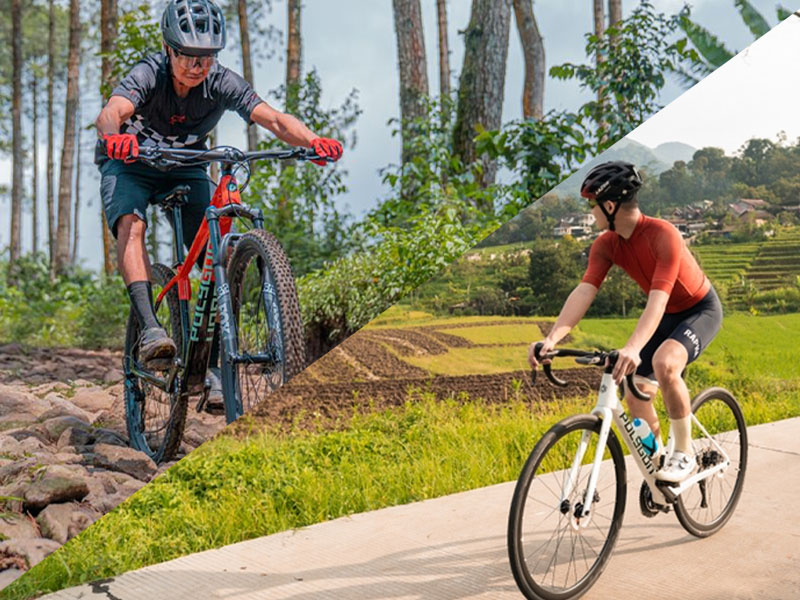
Mountain biking generally burns more calories hour-for-hour than road biking because it demands greater muscle engagement, higher resistance, and more frequent changes in intensity. However, calorie burn ultimately depends on factors such as riding speed, terrain, and overall effort.
Understanding these differences can help you choose the riding style that best matches your fitness goals and cycling preferences.
Why Does Mountain Biking Burn More Calories?
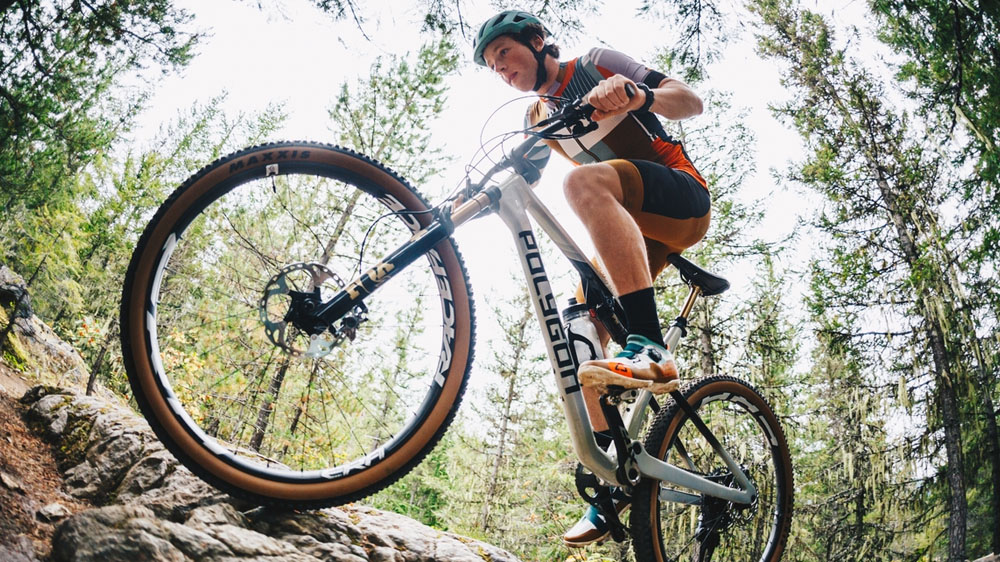
On average, mountain bike rides demand more energy because riders constantly adapt to changing terrain. Steep climbs, loose surfaces, and technical obstacles require more than just steady pedaling, increasing overall calorie expenditure.
Full-Body Muscle Engagement
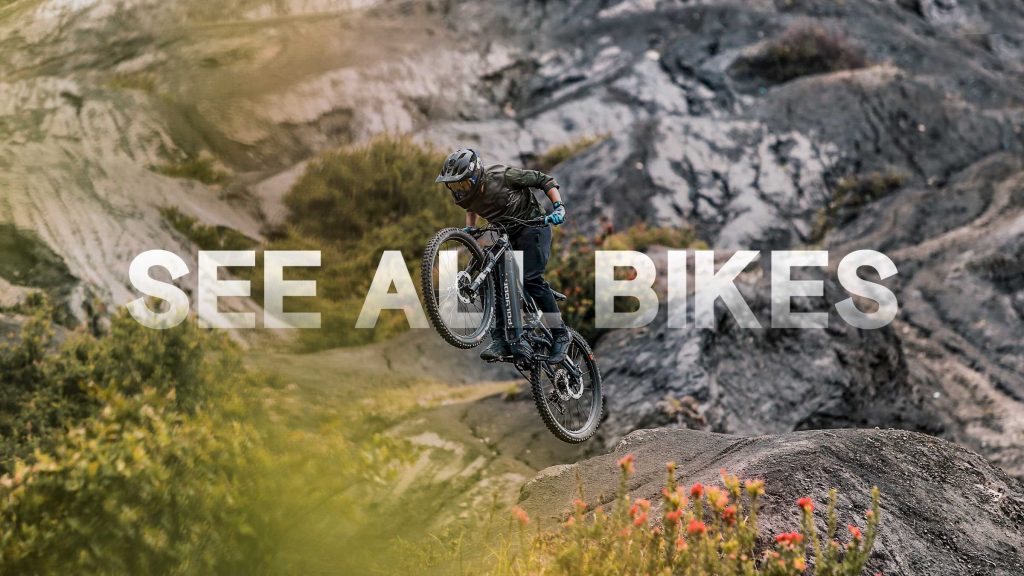
Unlike riding on smooth pavement, mountain biking activates more than just the legs. Riders also engage their core, shoulders, arms, and upper body to maintain balance, absorb impacts, and steer through uneven trails. This extra muscle involvement increases overall energy use.
Higher Resistance
Off-road riding with an MTB bike naturally creates more resistance than riding on asphalt. Wider tires, rough terrain, mud, rocks, and climbs require greater pedaling effort, meaning the body works harder throughout the ride.
Higher Average Heart Rate on Technical Trails
Technical trails often combine sustained climbs with short bursts of power to clear obstacles, causing the heart rate to rise more frequently than during steady riding. Based on the Compendium of Physical Activities, a 70 kg rider burns approximately 595 kcal per hour during light mountain biking and around 980 kcal per hour during vigorous or uphill riding.
Read also: Mountain Biking for Mental Clarity
Why Is Road Biking Still an Efficient Workout?
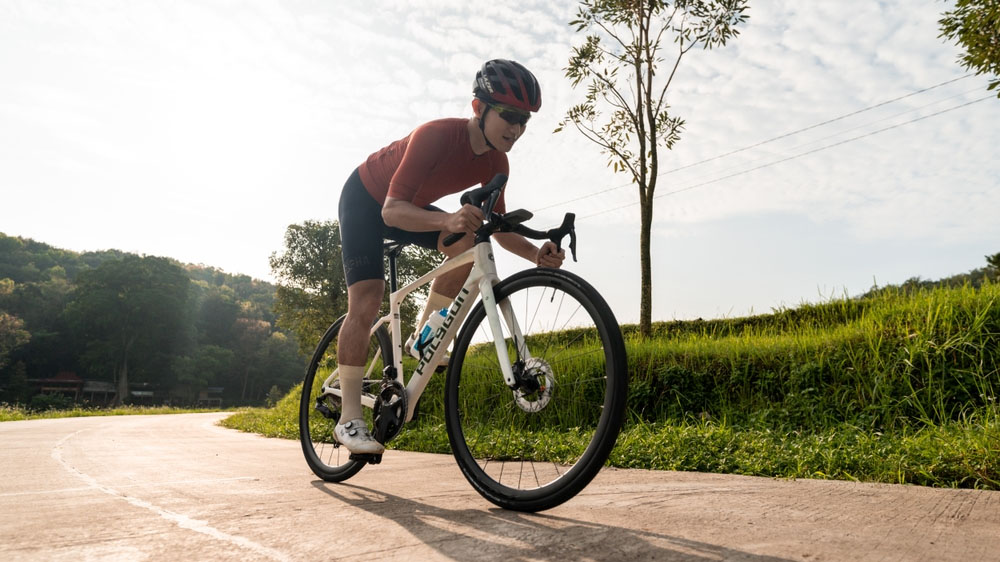
Although mountain biking generally burns more calories on average, road biking remains an excellent option for improving fitness and endurance.
Sustained Power Output
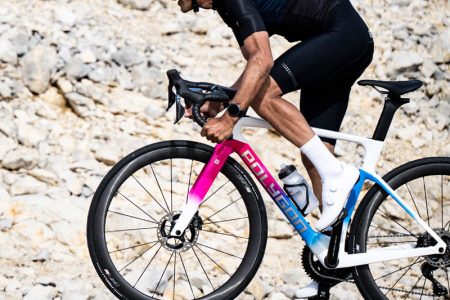
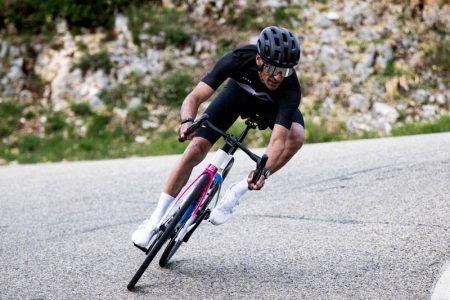
One of the biggest advantages of riding a road bike is the ability to pedal continuously. Without frequent obstacles or technical sections, riders can maintain a steady power output for longer periods, helping build cardiovascular endurance and burn calories consistently.
Speed Factor
As speed increases, so does aerodynamic drag. Maintaining a fast pace on a road bike requires significantly more power, especially during long efforts or steep road climbs. At higher intensities, road biking can match or even exceed the calorie burn of mountain biking, making it an effective workout for riders who enjoy sustained speed and endurance.
Read also: The Quiet Discipline of the Long Ride
Mountain Biking or Road Biking: Calorie Burn Breakdown
The estimates below are based on a 70 kg (155 lb) rider completing a one-hour ride using the Compendium of Physical Activities MET method:
Calories burned per hour = MET × body weight (kg)
Actual calorie expenditure may vary depending on riding intensity, terrain, fitness level, weather conditions, and ride duration.
| Cycling Activity | MET Value | Est. Calories/Hour (70 kg Rider) | Main Physical Driver |
| Light mountain biking | 8.5 | 595 kcal | Rolling resistance, steady climbing |
| Vigorous mountain biking | 14.0 | 980 kcal | Upper-body work, explosive power |
| Moderate road biking | 8.0 | 560 kcal | Steady leg endurance |
| Vigorous road biking (14-16 mph) | 10 | 700 kcal | High aerodynamic drag, constant pedaling |
These estimates illustrate how different riding styles influence energy expenditure. Mountain biking generally burns more calories during typical rides because riders must overcome rolling resistance and frequent bursts of effort on uneven terrain.
However, as speed increases, road biking demands greater power to overcome aerodynamic drag. At higher intensities, it can match or even exceed the calorie burn of mountain biking.
Which Do You Prefer?
Both mountain biking and road biking are effective ways to improve fitness and burn calories, but they achieve it through different riding experiences. Mountain biking typically demands greater muscle engagement and frequent bursts of effort, while road biking rewards riders with sustained power output and efficient endurance training.
Rather than focusing only on calorie burn, consider the terrain you enjoy, your riding goals, and the type of cycling that motivates you to ride consistently.
When it comes to mountain biking or road biking, which one would you choose?