






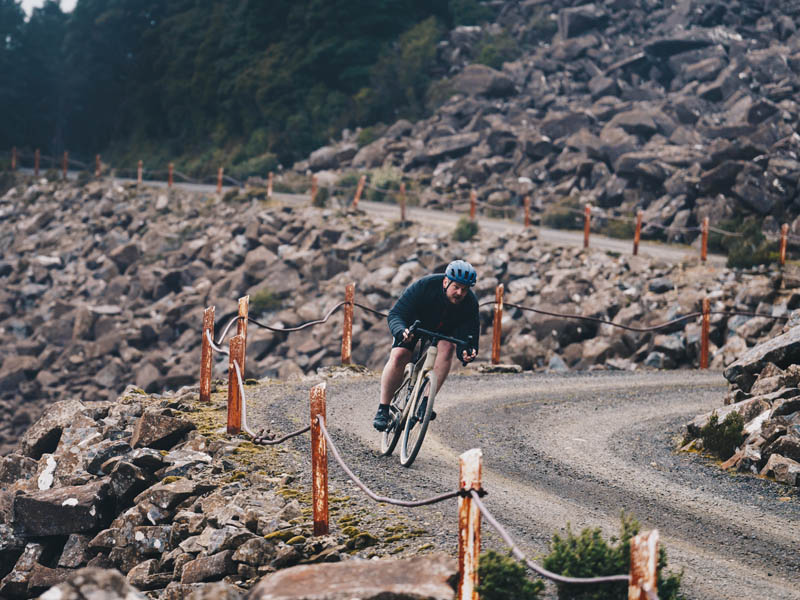
To ride a gravel bike efficiently against strong headwinds, adopt a compact aerodynamic posture, maintain a steady endurance effort, select efficient lines on the road surface, and use appropriate gearing.
Combining wind-cheating body mechanics with smart riding tactics can help minimize energy loss without sacrificing control on uneven terrain.
Focus on Effort, Not Speed
One of the biggest mistakes gravel cyclists make when riding into a headwind is chasing their normal average speed.
Instead, focus on sustainable effort. Use one of these metrics:
- Perceived exertion
- Heart rate monitor data
- Power meter readings
When riding into strong winds, stay within your normal endurance zones whenever possible. If you push too hard early, fatigue can accumulate quickly and negatively affect the rest of the ride.
For example, during a 100 km gravel endurance ride, maintaining a steady effort into a headwind is often more effective than repeatedly surging to hold a target speed.
As a general guideline:
| Wind Speed | Riding Strategy |
| 10-20 km/h | Minor pacing adjustments |
| 20-30 km/h | Focus on effort management and aerodynamics |
| 30+ km/h | Shift earlier, lower expectations for speed, and conserve energy |
Remember that speed naturally decreases as aerodynamic drag increases. Judging your ride by power, heart rate, or perceived exertion is often more productive than fixating on speed.
Improve Your Position on the Gravel Bike
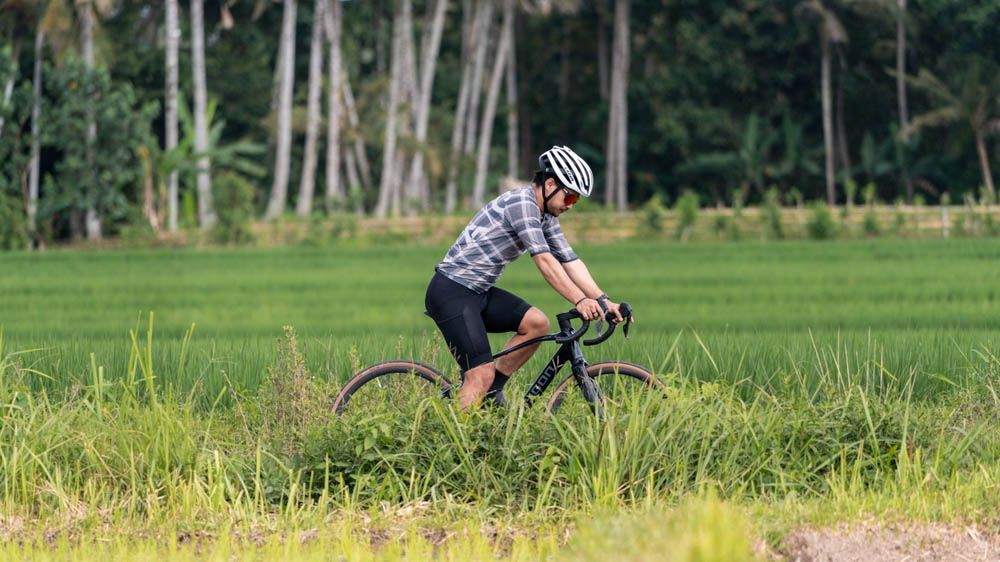
Aerodynamics is one of the most effective free tools available to every rider.
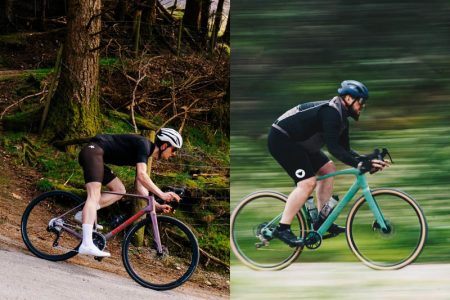
The best body position for riding a gravel bike in strong winds is a lower, narrower position that reduces frontal area while remaining comfortable and safe.
Try these adjustments:
- Lower your torso slightly
- Bend your elbows
- Relax your shoulders
- Keep your head neutral
- Narrow your arm position when terrain allows
Riding in the drops can help reduce wind exposure on smoother sections. However, control and safety should always come first on rough gravel terrain.
The goal is not to become an aerodynamic time-trial rider. Instead, you’re minimizing unnecessary drag while maintaining stability and comfort over long distances.
Choose the Right Gear and Cadence
Strong riders don’t fight the wind with brute force. They manage cadence and gearing efficiently.
Cadence is the number of pedal revolutions per minute (RPM).
For most gravel cyclists, maintaining roughly 80-95 RPM helps conserve muscular energy better than pushing oversized gears at low cadence.
A few practical tips:
- Shift earlier than you think
- Use easier gears when the wind increases
- Avoid grinding at very low cadence
- Maintain smooth, consistent power output
Modern gravel bike drivetrains with appropriately sized chainrings and wide-range cassettes make this easier. Whether your gravel bicycle uses Shimano or SRAM components, having enough gear range helps maintain momentum without excessive fatigue.
Optimize Your Gravel Bike Setup
Technique matters most, but the right bike setup can improve comfort and efficiency.
Tire Selection and Tire Pressure
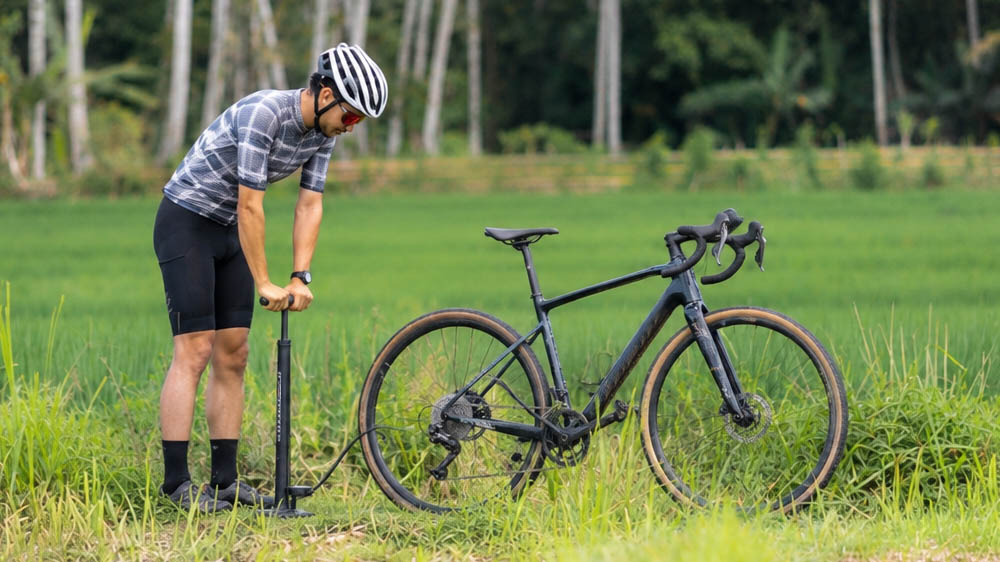
Gravel tires should balance grip, comfort, and rolling resistance. Running excessively low tire pressure can increase rolling resistance on firmer surfaces, while overly high pressure may reduce comfort and control. Finding the correct pressure for rider weight, terrain, and tire width is important for maintaining momentum.
Independent testing from Bicycle Rolling Resistance consistently shows that tire construction and pressure influence efficiency.
Bike Fit
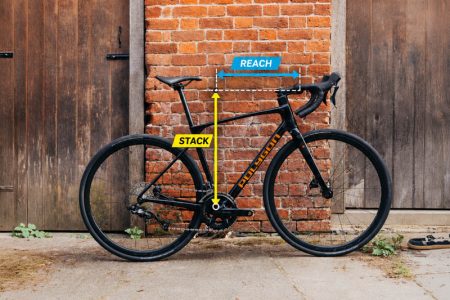
A proper bike fit supports an aerodynamic yet sustainable riding position. If you’re constantly sitting upright because of discomfort, you’ll expose more of your body to the wind and increase drag.
Stable Gravel Bike Geometry
A well-designed gravel bike should remain predictable when encountering gusts and changing wind conditions.
Many endurance-focused Polygon gravel bikes are designed with rider comfort, stability, and long-distance capability in mind. For riders regularly tackling exposed roads, gravel races, and adventure routes, stable handling can reduce fatigue over hours in the saddle.
Remember: equipment supports efficiency, but it cannot eliminate the challenges of riding into strong winds.
Use Smart Tactics on Windy Days
The smartest gravel race strategy often begins before the ride starts.
Consider these practical tactics:
- Ride into the headwind early while energy levels are highest
- Use route planning to minimize prolonged exposure
- Draft safely behind other riders when conditions and terrain allow
- Rotate positions smoothly in group rides
- Save energy whenever a tailwind appears
Drafting can significantly reduce wind exposure, but gravel surfaces require larger following distances than road cycling. Always prioritize visibility, reaction time, and safety.
Many experienced riders also use weather tools such as Windy or local forecasting services before planning long gravel routes. Understanding wind direction can help you strategically position the hardest section of the ride earlier in the day.
Read also:
Why Do Headwinds Feel So Brutal on Gravel Rides?
The short answer: aerodynamic drag increases rapidly as your speed relative to the wind increases.
Aerodynamic drag is the force of air pushing against a rider and bike. When you’re riding into a headwind, your body and gravel bike must overcome both your riding speed and the wind speed.
For example:
- Riding at 20 km/h into a 20 km/h headwind creates approximately 40 km/h of relative wind speed.
- The increase in aerodynamic resistance can make maintaining speed feel disproportionately difficult.
At the same time, gravel roads add rolling resistance from loose surfaces, making every watt count.
Unlike wooded roads or urban routes, many gravel riding locations offer little protection from the wind. Wide-open farmland, coastal roads, and prairie landscapes expose riders to sustained headwinds and crosswinds for long periods.
That’s why riding into headwinds often feels much harder than riding with a tailwind, even when terrain remains relatively flat.