



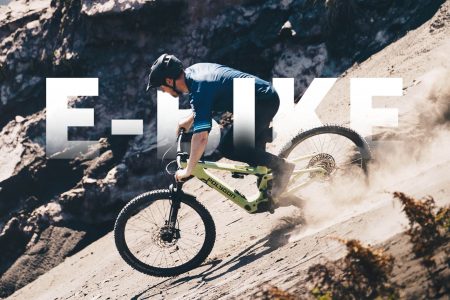
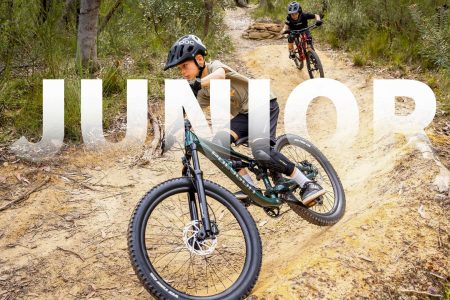
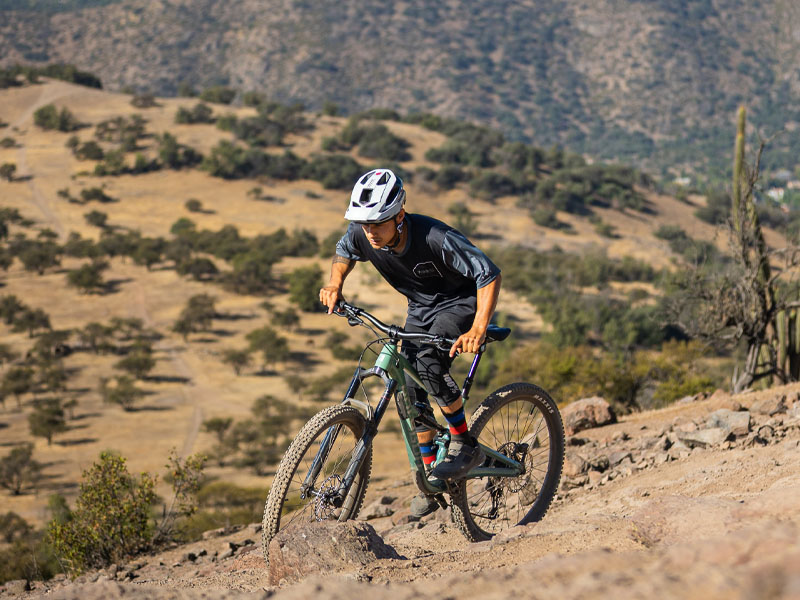
For many riders, mountain biking is about much more than climbing hills or navigating technical trails. It’s a chance to disconnect from busy schedules, spend time outdoors, and focus on the present moment.
Whether it’s a quick after-work ride or a weekend adventure, many cyclists describe trail riding as a mental reset—a way to leave distractions behind and return feeling refreshed. While every rider’s experience is unique, spending time on a mountain bike (MTB) combines physical activity, natural surroundings, and focused movement in a way that many find both enjoyable and restorative.
The trail isn’t just a workout. For most riders, it’s a reset button.
Why MTB Works as Mental Medicine: 5 Mechanisms
1. The flow state forces your brain offline
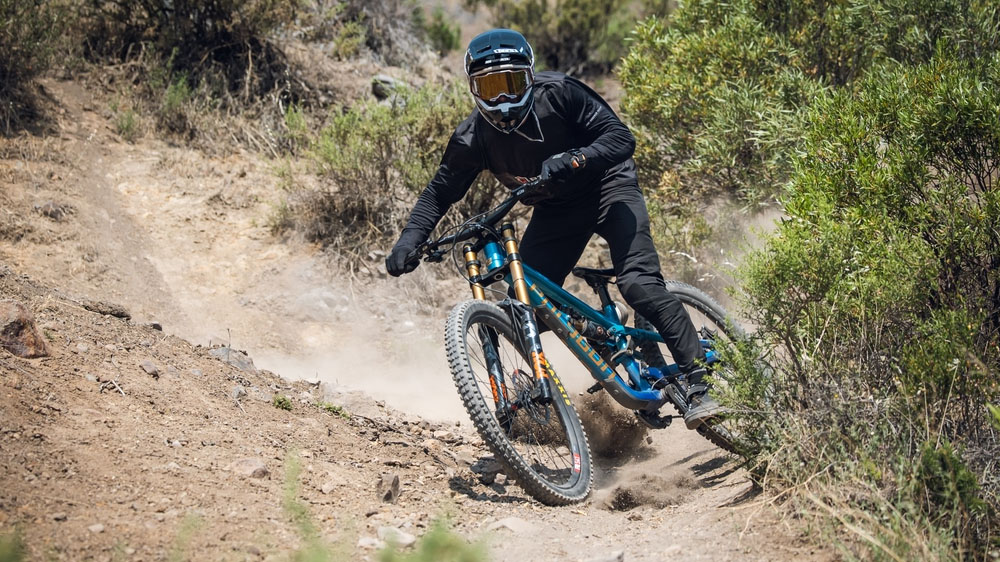
Technical mountain biking demands total present-moment focus. One unique benefit of mountain biking is that it requires just enough focus and presence to pull your mind out of loops of worry or overthinking — this immersion into the trail, sometimes called a flow state, has been linked to improved mood and psychological well-being in adventure-based activities. You simply cannot ruminate about your inbox while picking a line through a rock garden.
2. Nature does the neurological heavy lifting
Exercising in natural environments can significantly improve mental well-being, reduce stress hormones, and enhance attention restoration — often more than indoor exercise alone. When you’re moving through trees, breathing fresh air, or listening to the sounds of nature, your nervous system receives calming signals that help rebalance your mood.
Participants in MTB programs reported feelings of calm, mindfulness, and restoration when riding in outdoor environments, consistent with evidence linking green spaces to reduced stress, improved attention, and greater motivation for sustained participation.
3. Endorphins — cycling’s built-in antidepressant
The endorphin release from physical activity acts as a natural antidepressant, helping to alleviate symptoms of depression and anxiety — and the sense of accomplishment from completing a challenging ride can boost self-esteem and confidence.
4. Skill mastery builds lasting confidence
Every trail feature conquered leaves a psychological residue. A peer-reviewed scoping review published on PubMed Central in 2025 found that MTB programs were consistently associated with improved self-esteem, resilience, emotional regulation, and social connection — with mentorship, peer engagement, and nature all contributing to outcomes.
5. The social dimension no gym can replicate
Mountain biking can be a social activity, offering opportunities to connect with other riders, join group rides, or participate in events — and that communal suffering on a tough climb or shared euphoria on a descent builds bonds that purely individual exercise rarely creates.
It Works for Occasional Riders Too
You don’t need to ride every day for the mental benefits to show up. Even riders who go out occasionally report improved well-being, stress reduction, and positive emotional effects — whether you’re cruising a mellow trail or tackling more technical terrain, you can still experience the mental health benefits of mountain biking.
This is one of MTB’s most democratizing qualities: the reset is available to beginners on a hardtail as much as to experienced enduro riders on a full-suspension rig.
Choosing the Right Mountain Bike
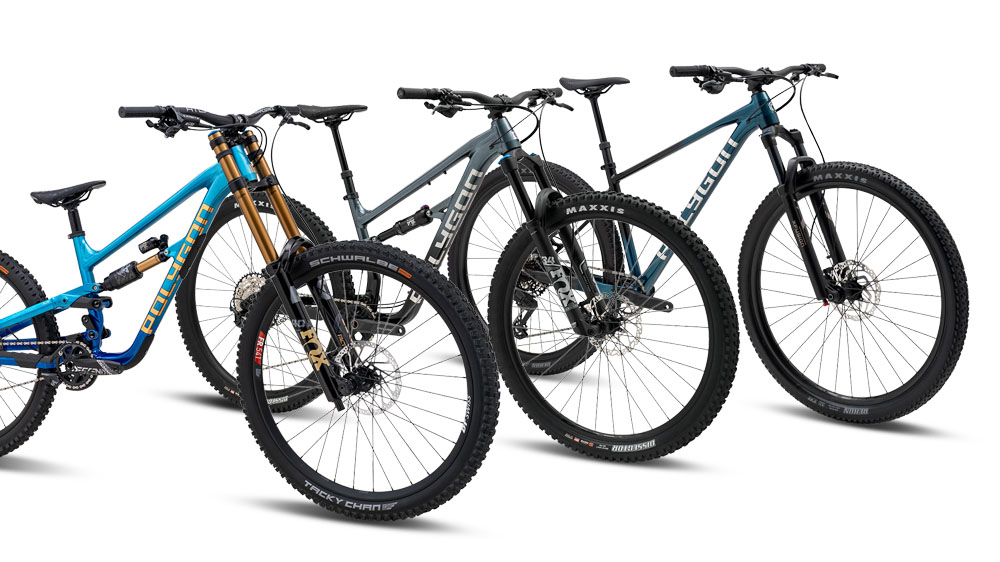
The right mountain bike can help you ride with greater confidence and comfort.
Mountain Bike Checklist
| Feature | Benefit |
| Suspension | Improves comfort and control on rough terrain. |
| Stable Geometry | Inspires confidence on climbs and descents. |
| Wide Tires | Provides grip on loose surfaces. |
| Reliable Brakes | Enhances control in changing trail conditions. |
| Appropriate Wheel Size | Matches your riding style and local terrain. |
Selecting an MTB that suits your riding goals helps you focus on the experience rather than the equipment.
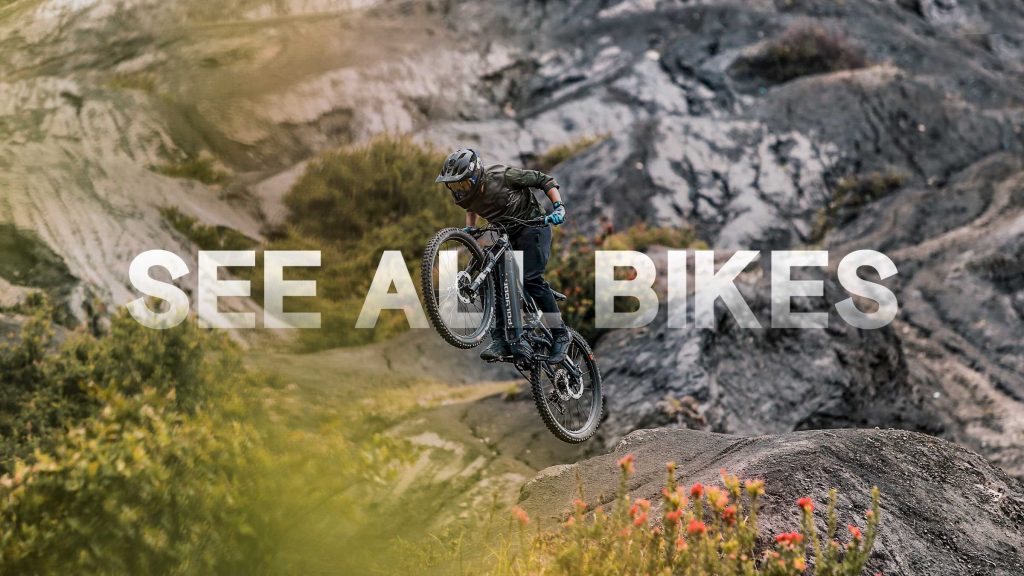
Polygon’s mountain bike lineup — from the approachable Xtrada to the trail-ready Siskiu T and the gravity-focused Collosus T — is built for exactly this kind of riding. Whatever your terrain and ability level, the mental reset is the same distance away: one trail, one ride.
Read also: