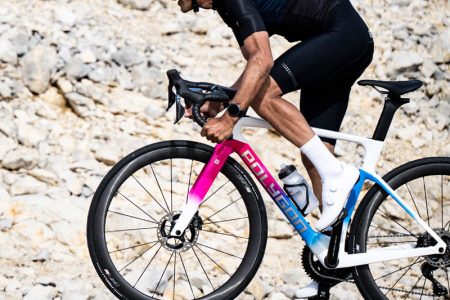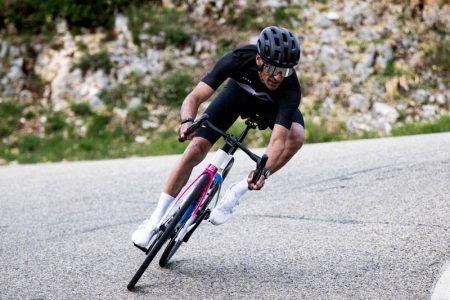



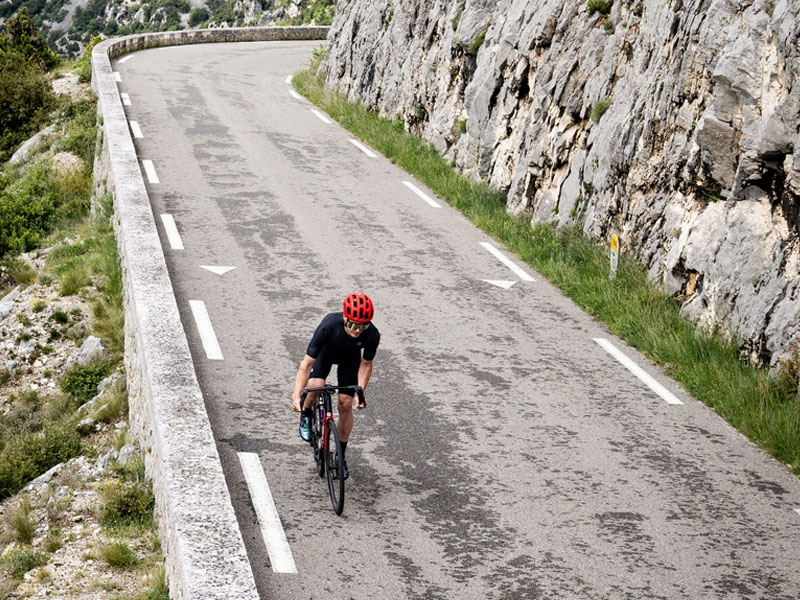
There’s a moment on every long ride when the conversation in your head goes quiet. Somewhere past the second hour, past the last town, past the point where your legs stop asking questions — the ride starts riding itself. No PR notification. No KOM chase. Just wheels, road, and the steady arithmetic of distance.
For a sport that spent a decade obsessed with FTP numbers and Strava segments, this is a quiet rebellion. And the numbers back it up.
Why Distance Often Matters More Than Speed
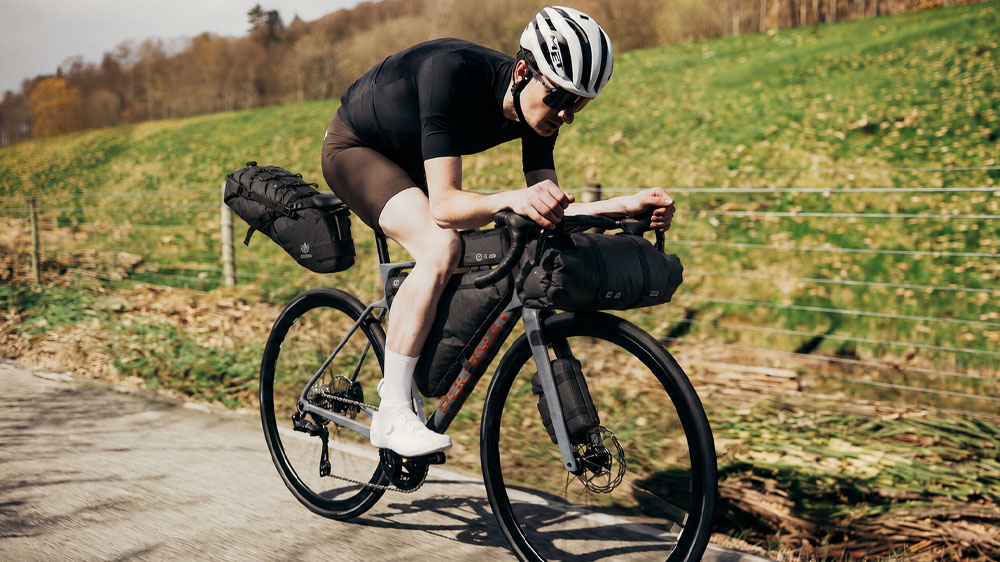
Every cyclist remembers the excitement of riding faster for the first time on their road bikes. Speed is tangible, easy to measure, and motivating. But as riders gain experience, many begin shifting their focus toward endurance.
A longer ride presents a different kind of challenge. Instead of sustaining maximum effort for a short period, riders learn to manage their energy over several hours. Success comes from pacing wisely, staying consistent, and making hundreds of small decisions that keep the ride enjoyable from start to finish.
This mindset transforms cycling into something more reflective. Rather than asking, “How fast did I ride?” experienced road cyclists often find themselves asking, “How far did I explore today?”
Speed and Distance Tell Different Stories
Both approaches help riders improve, but they develop different skills and experiences.
| Riding for Speed | Riding for Distance |
| Focuses on high intensity efforts | Focuses on endurance and consistency |
| Measures success through pace | Measures success through completing the journey |
| Often involves shorter rides | Encourages longer adventures |
| Prioritizes peak performance | Prioritizes sustainable energy and comfort |
Neither approach is better than the other. Instead, many cyclists naturally incorporate both into their riding, using speed to build fitness and distance to build resilience.
Every Kilometer Teaches Something
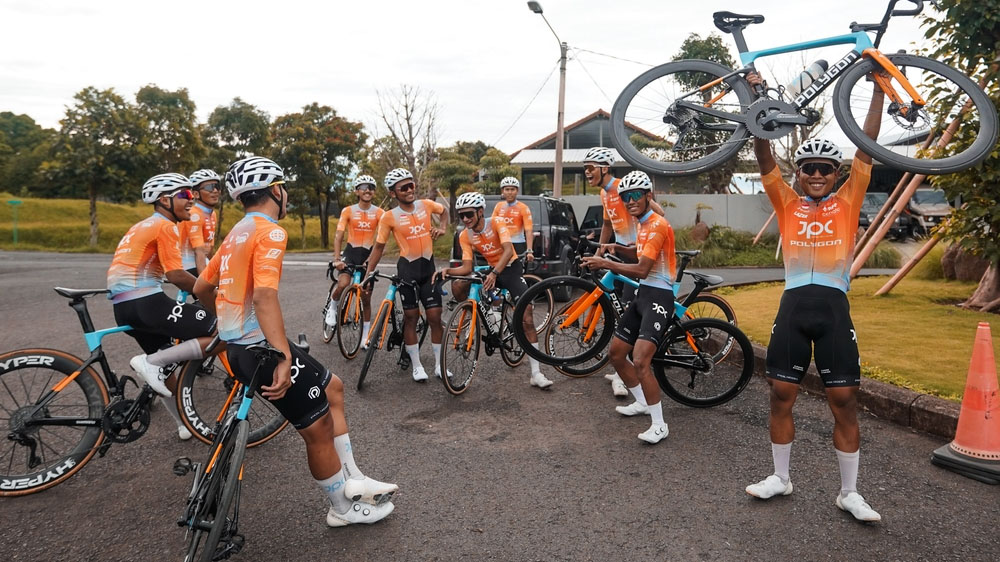
Endurance cycling has a way of revealing lessons that shorter rides rarely offer.
A sudden headwind teaches patience. A long climb reminds riders to manage their effort instead of chasing immediate results. An unexpected mechanical issue becomes an opportunity to adapt rather than give up.
These moments may seem small individually, but together they build confidence. Completing a long ride isn’t simply about covering more distance—it’s about learning to stay calm, flexible, and consistent when conditions change.
That’s why many cyclists remember their first 100-kilometer ride long after they’ve forgotten their fastest average speed on their road bikes.
Starting Your Own Long Ride Practice
You don’t need to overhaul your training to chase distance over speed. A few ways to start:
- Ride by feel, not fear. Keep most rides conversational — if you can hold a sentence, you’re in the zone that builds your base.
- Extend before you accelerate. Add 10–15 minutes to your longest weekly ride before adding intervals.
- Let the road bike disappear. Comfort-focused geometry, wider tires, and a relaxed position aren’t compromises — they’re what let you actually finish the ride feeling good.
- Track distance milestones, not just speed PRs. A metric century, a new region explored, a personal longest ride — these build a different kind of fitness story.
Why Long Rides Never Feel the Same
Perhaps the greatest appeal of endurance cycling is that no two rides are identical.
Even familiar routes change with the seasons. Morning sunlight creates a different atmosphere than an afternoon ride. Weather, road conditions, and the people you ride with all shape the experience in unexpected ways.
Some rides become social, filled with conversations that make the kilometers disappear. Others are quiet and reflective, offering a chance to enjoy the simple rhythm of turning the pedals. Both experiences remind us that cycling is about much more than reaching a destination.
Read also: