


City Bike Buying Guide: Understanding Urban Bikes & Choosing the Right One

Buying A City Bike In A Bike Shop

City bikes are designed for how people actually move in urban environments. From daily commutes and short errands to relaxed weekend rides, a good city bike prioritizes comfort, control, and practicality over outright speed or trail performance.

Unlike road bikes or mountain bikes that are built for specific conditions, city bikes focus on making everyday riding feel easy, natural, and stress-free.

What often goes unnoticed is that city bikes are not one-size-fits-all. Different models are shaped by slightly different philosophies; some emphasize efficiency, others comfort, and some aim for versatility across mixed urban conditions. Understanding these differences helps riders choose a bike that truly fits their lifestyle.


Before Buying a City Bike: What You Should Consider First

Before choosing a specific city bike model, it’s important to understand how you will actually use the bike. City bikes may look similar at first glance, but small differences in design and setup can have a big impact on daily comfort and usability.

1. Define Your Riding Style

Not all city riding looks the same. Clarifying your riding style helps narrow down the right city bike setup.

  • Daily commuting: Ideal for riders traveling to work or school regularly. This style benefits from a city bike with efficient rolling tires, stable handling, and compatibility with racks or bags.
  • Errands and short trips: Best suited for relaxed city bikes with upright geometry. Comfort, easy mounting, and low-speed stability matter more than speed.
  • Leisure and weekend cruising: A comfort-oriented city bicycle with calm handling and smooth ride quality makes longer, slower rides more enjoyable.
  • Mixed urban conditions: For riders who encounter uneven pavement, curbs, or occasional gravel paths, a more versatile urban bike with wider tires and stable geometry provides better control.

Understanding your primary riding style ensures the bike supports your habits instead of working against them.

2. Understand the Frame Material
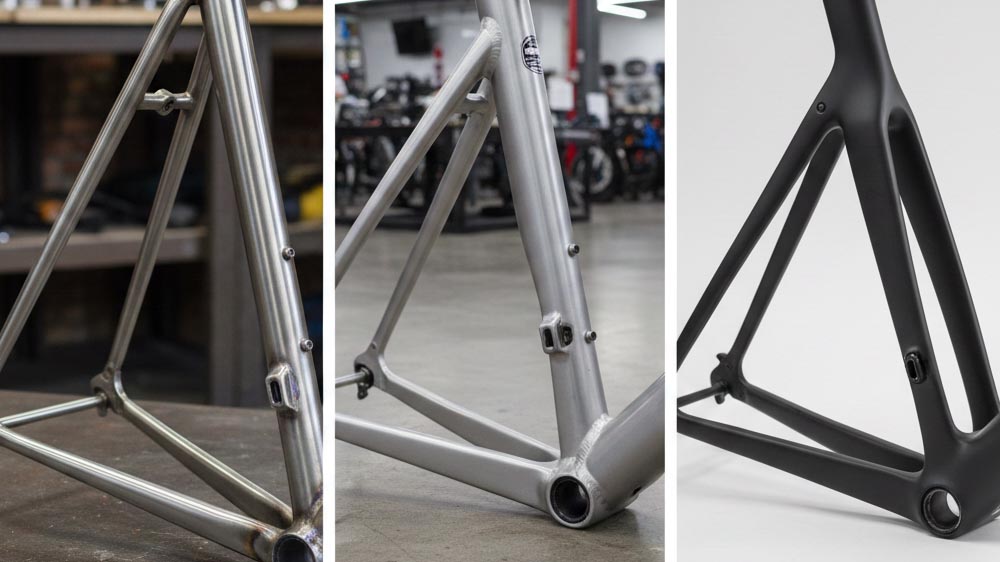
City Bike Frame MaterialsFrame material influences weight, ride feel, durability, and maintenance, especially important for everyday urban use.

  • Aluminum frames: The most common choice for modern city bikes. Aluminum is lightweight, rust-resistant, and responsive, making it practical for commuting and frequent riding in urban environments.
  • Steel frames: Slightly heavier than aluminum but known for a smoother, more forgiving ride. Steel absorbs road vibrations well, which can be beneficial on rough city streets or older pavement.
  • Carbon frames: Rarely used for city bicycles. While light and stiff, carbon is more expensive and less suitable for daily locking, parking, and urban wear and tear.

For most riders, aluminum offers the best balance between durability, weight, and ease of ownership.

3. Consider Buying from a Trusted Dealer or Online Bike Shop

Where you buy your city bike matters just as much as which model you choose.

  • Proper sizing and fit guidance: Trusted bike shops help ensure the correct frame size, reducing discomfort and fatigue during daily rides.
  • Assembly and safety checks: A reliable dealer ensures the bike is assembled correctly, brakes are adjusted, and gears shift smoothly before the first ride.
  • After-sales support: Access to servicing, warranty support, and spare parts makes long-term ownership easier and more cost-effective.
  • Curated model selection: Reputable online bike shops and dealers typically stock models that are well-suited for urban riding, reducing the risk of choosing an impractical setup.

Buying from a trusted source helps turn a city bike into a long-term companion rather than a short-term purchase.


During the Purchase: What to Check Before You Decide

Checking The City Bike’s Components In A Bike ShopOnce you’ve narrowed down your city bike options, the next step is evaluating the bike in detail. This stage focuses on components, practical features, and how the bike actually feels when you ride it.

1. Component Check: Focus on Reliability, Not Just Specs

For a city bike, components should prioritize durability, ease of use, and low maintenance.

  • Drivetrain (gears)

City bikes commonly use single-speed setups, internal gear hubs, or derailleur systems.

  • Single-speed or internal hubs suit flat cities and riders who want minimal maintenance.
  • Multi-speed drivetrains work better for hilly areas or longer urban rides.
  • Braking system

Reliable braking is critical in traffic-heavy environments.

  • Disc brakes (mechanical or hydraulic) offer consistent stopping power in wet or dry conditions.
  • Rim brakes are lighter and simpler but less effective in the rain.
  • Tires

Look for city-oriented tires with puncture protection and moderate width (around 32–42mm). Wider tires improve comfort and stability on uneven roads.

  • Wheels and build quality

Strong, well-built wheels matter more than ultra-lightweight ones for daily urban use, especially if you plan to carry bags or racks.

Rather than chasing high-end specs, prioritize components that are proven, durable, and easy to maintain.

2. Consider Extra Features That Improve Daily Usability

City bikes are designed to support everyday riding, and small features can make a big difference.

  • Fenders (mudguards): Essential for wet roads, helping keep clothes clean and dry.
  • Rear rack or basket compatibility: Useful for carrying work bags, groceries, or daily essentials without relying on a backpack.
  • Chain guard or belt drive: Reduces grease stains and keeps maintenance low, especially practical for commuting.
  • Integrated lights or dynamo systems: Improves safety and convenience by eliminating the need for frequent battery charging.
  • Kickstand: A simple but valuable feature for quick stops and parking in urban areas.

These extras transform a standard bike into a truly functional city bicycle.

3. Test Ride: The Most Important Step Before Buying

No spec sheet can replace how a city bike feels in real use. A short test ride helps confirm comfort, control, and fit.

Test Ride Checklist:

  • Riding position feels natural: You should feel relaxed, not stretched or hunched, with good visibility ahead.
  • Reach and handlebar comfort: Hands should rest comfortably on the grips without pressure on wrists or shoulders.
  • Smooth gear shifting: Gears should change cleanly and predictably without hesitation or noise.
  • Confident braking: Brakes should feel responsive and easy to control, not overly stiff or spongy.
  • Low-speed stability: The bike should feel balanced and easy to control when riding slowly or making tight turns.
  • Mounting and stopping ease: Stopping, putting a foot down, and starting again should feel effortless, especially in traffic.

If a city bike feels comfortable and intuitive within the first few minutes, it’s usually a good sign it will work well for daily riding.


Polygon City Bike Recommendations

At Polygon, we design city bikes around how people actually move in urban environments. Each model is created to match different riding needs, so riders can choose a bike that truly fits their daily routine.

Polygon Zenith City Bike
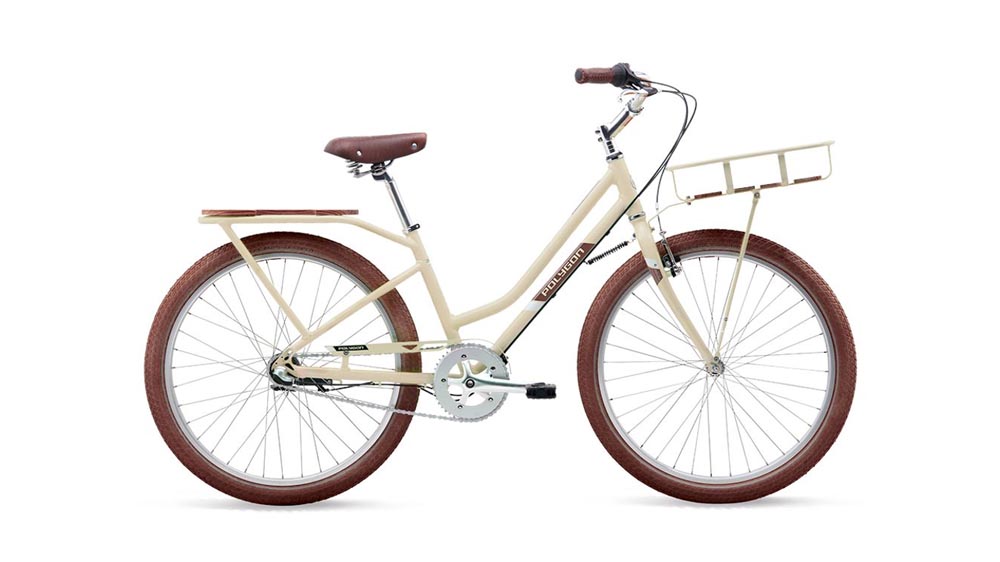
Zenith City BikeRecommended for: Regular commuters who value efficiency and reliability

Zenith is built for everyday city travel. Its balanced geometry keeps the riding position upright yet efficient, making it comfortable for daily commutes while staying responsive in traffic and stop-and-go conditions. If your city bike is your main mode of transport, used for work, school, or daily errands, Zenith delivers a dependable and practical ride.

Polygon Oosten City Bike
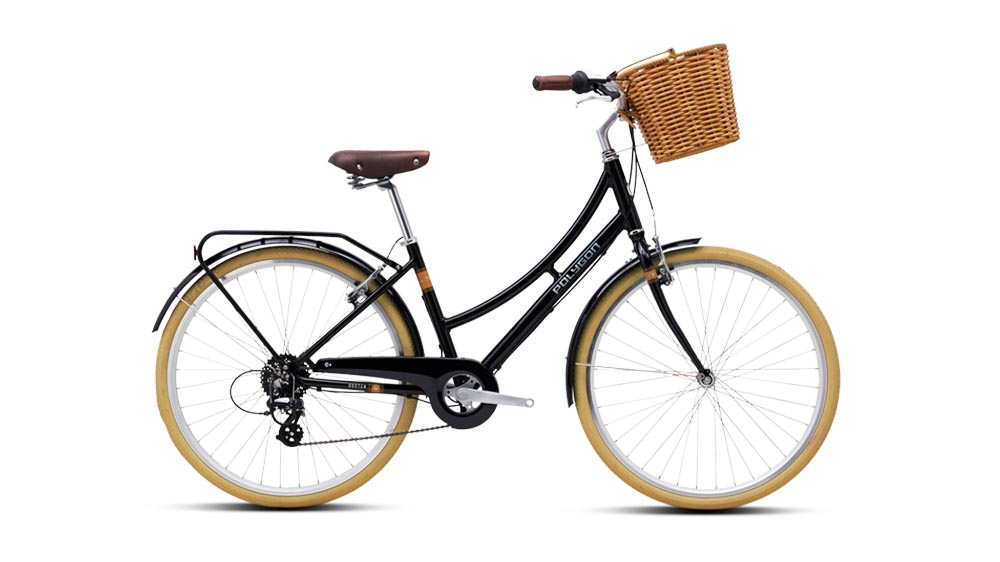
Oosten City BikeRecommended for: Casual riders and comfort-focused city use

Oosten emphasizes an easy, upright riding position that feels natural from the first pedal stroke. It’s designed for smooth city roads, short trips, and riders who prioritize comfort over speed. For riders who want a stress-free city bicycle for relaxed urban cruising, Oosten offers simplicity and comfort in one package.

Polygon Path City Bike
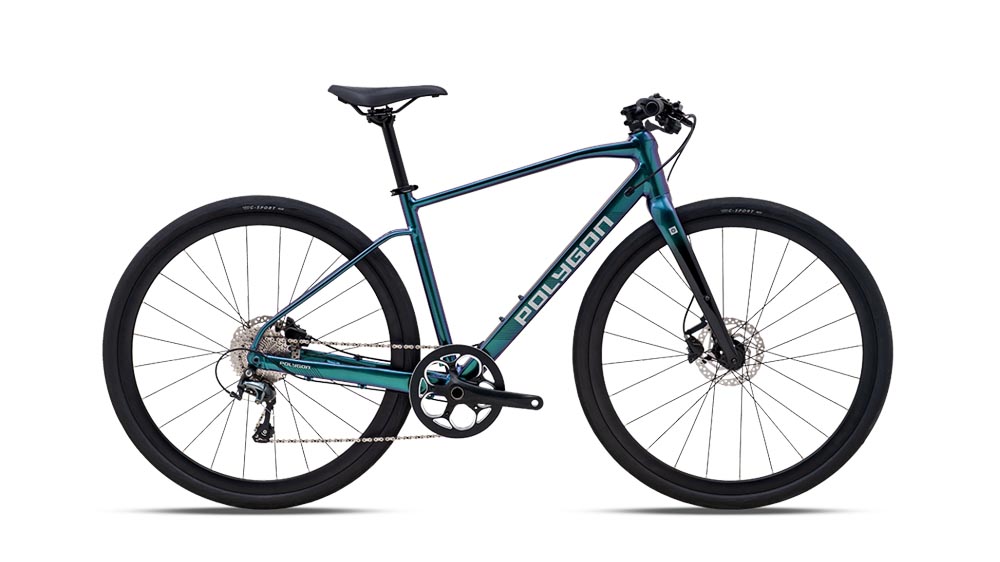
Path City BikeRecommended for: Riders who want flexibility across city roads and light paths

Path is designed to handle more varied urban conditions. With stable geometry and wider tire support, it adapts well to rough pavement, bike lanes, and longer city rides, while remaining practical for daily use. If your rides go beyond smooth asphalt, and you want one city bike that can do a bit more, Path is the most versatile option.

Read also: City Bike vs Road Bike for Daily Commute

What you can read next

City Bike Buying Guide: Understanding Urban Bikes & Choosing the Right One

Buying A City Bike In A Bike Shop

City bikes are designed for how people actually move in urban environments. From daily commutes and short errands to relaxed weekend rides, a good city bike prioritizes comfort, control, and practicality over outright speed or trail performance.

Unlike road bikes or mountain bikes that are built for specific conditions, city bikes focus on making everyday riding feel easy, natural, and stress-free.

What often goes unnoticed is that city bikes are not one-size-fits-all. Different models are shaped by slightly different philosophies; some emphasize efficiency, others comfort, and some aim for versatility across mixed urban conditions. Understanding these differences helps riders choose a bike that truly fits their lifestyle.


Before Buying a City Bike: What You Should Consider First

Before choosing a specific city bike model, it’s important to understand how you will actually use the bike. City bikes may look similar at first glance, but small differences in design and setup can have a big impact on daily comfort and usability.

1. Define Your Riding Style

Not all city riding looks the same. Clarifying your riding style helps narrow down the right city bike setup.

  • Daily commuting: Ideal for riders traveling to work or school regularly. This style benefits from a city bike with efficient rolling tires, stable handling, and compatibility with racks or bags.
  • Errands and short trips: Best suited for relaxed city bikes with upright geometry. Comfort, easy mounting, and low-speed stability matter more than speed.
  • Leisure and weekend cruising: A comfort-oriented city bicycle with calm handling and smooth ride quality makes longer, slower rides more enjoyable.
  • Mixed urban conditions: For riders who encounter uneven pavement, curbs, or occasional gravel paths, a more versatile urban bike with wider tires and stable geometry provides better control.

Understanding your primary riding style ensures the bike supports your habits instead of working against them.

2. Understand the Frame Material

City Bike Frame MaterialsFrame material influences weight, ride feel, durability, and maintenance, especially important for everyday urban use.

  • Aluminum frames: The most common choice for modern city bikes. Aluminum is lightweight, rust-resistant, and responsive, making it practical for commuting and frequent riding in urban environments.
  • Steel frames: Slightly heavier than aluminum but known for a smoother, more forgiving ride. Steel absorbs road vibrations well, which can be beneficial on rough city streets or older pavement.
  • Carbon frames: Rarely used for city bicycles. While light and stiff, carbon is more expensive and less suitable for daily locking, parking, and urban wear and tear.

For most riders, aluminum offers the best balance between durability, weight, and ease of ownership.

3. Consider Buying from a Trusted Dealer or Online Bike Shop

Where you buy your city bike matters just as much as which model you choose.

  • Proper sizing and fit guidance: Trusted bike shops help ensure the correct frame size, reducing discomfort and fatigue during daily rides.
  • Assembly and safety checks: A reliable dealer ensures the bike is assembled correctly, brakes are adjusted, and gears shift smoothly before the first ride.
  • After-sales support: Access to servicing, warranty support, and spare parts makes long-term ownership easier and more cost-effective.
  • Curated model selection: Reputable online bike shops and dealers typically stock models that are well-suited for urban riding, reducing the risk of choosing an impractical setup.

Buying from a trusted source helps turn a city bike into a long-term companion rather than a short-term purchase.


During the Purchase: What to Check Before You Decide

Checking The City Bike’s Components In A Bike ShopOnce you’ve narrowed down your city bike options, the next step is evaluating the bike in detail. This stage focuses on components, practical features, and how the bike actually feels when you ride it.

1. Component Check: Focus on Reliability, Not Just Specs

For a city bike, components should prioritize durability, ease of use, and low maintenance.

  • Drivetrain (gears)

City bikes commonly use single-speed setups, internal gear hubs, or derailleur systems.

  • Single-speed or internal hubs suit flat cities and riders who want minimal maintenance.
  • Multi-speed drivetrains work better for hilly areas or longer urban rides.
  • Braking system

Reliable braking is critical in traffic-heavy environments.

  • Disc brakes (mechanical or hydraulic) offer consistent stopping power in wet or dry conditions.
  • Rim brakes are lighter and simpler but less effective in the rain.
  • Tires

Look for city-oriented tires with puncture protection and moderate width (around 32–42mm). Wider tires improve comfort and stability on uneven roads.

  • Wheels and build quality

Strong, well-built wheels matter more than ultra-lightweight ones for daily urban use, especially if you plan to carry bags or racks.

Rather than chasing high-end specs, prioritize components that are proven, durable, and easy to maintain.

2. Consider Extra Features That Improve Daily Usability

City bikes are designed to support everyday riding, and small features can make a big difference.

  • Fenders (mudguards): Essential for wet roads, helping keep clothes clean and dry.
  • Rear rack or basket compatibility: Useful for carrying work bags, groceries, or daily essentials without relying on a backpack.
  • Chain guard or belt drive: Reduces grease stains and keeps maintenance low, especially practical for commuting.
  • Integrated lights or dynamo systems: Improves safety and convenience by eliminating the need for frequent battery charging.
  • Kickstand: A simple but valuable feature for quick stops and parking in urban areas.

These extras transform a standard bike into a truly functional city bicycle.

3. Test Ride: The Most Important Step Before Buying

No spec sheet can replace how a city bike feels in real use. A short test ride helps confirm comfort, control, and fit.

Test Ride Checklist:

  • Riding position feels natural: You should feel relaxed, not stretched or hunched, with good visibility ahead.
  • Reach and handlebar comfort: Hands should rest comfortably on the grips without pressure on wrists or shoulders.
  • Smooth gear shifting: Gears should change cleanly and predictably without hesitation or noise.
  • Confident braking: Brakes should feel responsive and easy to control, not overly stiff or spongy.
  • Low-speed stability: The bike should feel balanced and easy to control when riding slowly or making tight turns.
  • Mounting and stopping ease: Stopping, putting a foot down, and starting again should feel effortless, especially in traffic.

If a city bike feels comfortable and intuitive within the first few minutes, it’s usually a good sign it will work well for daily riding.


Polygon City Bike Recommendations

At Polygon, we design city bikes around how people actually move in urban environments. Each model is created to match different riding needs, so riders can choose a bike that truly fits their daily routine.

Polygon Zenith City Bike

Zenith City BikeRecommended for: Regular commuters who value efficiency and reliability

Zenith is built for everyday city travel. Its balanced geometry keeps the riding position upright yet efficient, making it comfortable for daily commutes while staying responsive in traffic and stop-and-go conditions. If your city bike is your main mode of transport, used for work, school, or daily errands, Zenith delivers a dependable and practical ride.

Polygon Oosten City Bike

Oosten City BikeRecommended for: Casual riders and comfort-focused city use

Oosten emphasizes an easy, upright riding position that feels natural from the first pedal stroke. It’s designed for smooth city roads, short trips, and riders who prioritize comfort over speed. For riders who want a stress-free city bicycle for relaxed urban cruising, Oosten offers simplicity and comfort in one package.

Polygon Path City Bike

Path City BikeRecommended for: Riders who want flexibility across city roads and light paths

Path is designed to handle more varied urban conditions. With stable geometry and wider tire support, it adapts well to rough pavement, bike lanes, and longer city rides, while remaining practical for daily use. If your rides go beyond smooth asphalt, and you want one city bike that can do a bit more, Path is the most versatile option.

Read also: City Bike vs Road Bike for Daily Commute
What you can read next

City Bike Buying Guide: Understanding Urban Bikes & Choosing the Right One

Buying A City Bike In A Bike Shop

City bikes are designed for how people actually move in urban environments. From daily commutes and short errands to relaxed weekend rides, a good city bike prioritizes comfort, control, and practicality over outright speed or trail performance.

Unlike road bikes or mountain bikes that are built for specific conditions, city bikes focus on making everyday riding feel easy, natural, and stress-free.

What often goes unnoticed is that city bikes are not one-size-fits-all. Different models are shaped by slightly different philosophies; some emphasize efficiency, others comfort, and some aim for versatility across mixed urban conditions. Understanding these differences helps riders choose a bike that truly fits their lifestyle.


Before Buying a City Bike: What You Should Consider First

Before choosing a specific city bike model, it’s important to understand how you will actually use the bike. City bikes may look similar at first glance, but small differences in design and setup can have a big impact on daily comfort and usability.

1. Define Your Riding Style

Not all city riding looks the same. Clarifying your riding style helps narrow down the right city bike setup.

  • Daily commuting: Ideal for riders traveling to work or school regularly. This style benefits from a city bike with efficient rolling tires, stable handling, and compatibility with racks or bags.
  • Errands and short trips: Best suited for relaxed city bikes with upright geometry. Comfort, easy mounting, and low-speed stability matter more than speed.
  • Leisure and weekend cruising: A comfort-oriented city bicycle with calm handling and smooth ride quality makes longer, slower rides more enjoyable.
  • Mixed urban conditions: For riders who encounter uneven pavement, curbs, or occasional gravel paths, a more versatile urban bike with wider tires and stable geometry provides better control.

Understanding your primary riding style ensures the bike supports your habits instead of working against them.

2. Understand the Frame Material

City Bike Frame MaterialsFrame material influences weight, ride feel, durability, and maintenance, especially important for everyday urban use.

  • Aluminum frames: The most common choice for modern city bikes. Aluminum is lightweight, rust-resistant, and responsive, making it practical for commuting and frequent riding in urban environments.
  • Steel frames: Slightly heavier than aluminum but known for a smoother, more forgiving ride. Steel absorbs road vibrations well, which can be beneficial on rough city streets or older pavement.
  • Carbon frames: Rarely used for city bicycles. While light and stiff, carbon is more expensive and less suitable for daily locking, parking, and urban wear and tear.

For most riders, aluminum offers the best balance between durability, weight, and ease of ownership.

3. Consider Buying from a Trusted Dealer or Online Bike Shop

Where you buy your city bike matters just as much as which model you choose.

  • Proper sizing and fit guidance: Trusted bike shops help ensure the correct frame size, reducing discomfort and fatigue during daily rides.
  • Assembly and safety checks: A reliable dealer ensures the bike is assembled correctly, brakes are adjusted, and gears shift smoothly before the first ride.
  • After-sales support: Access to servicing, warranty support, and spare parts makes long-term ownership easier and more cost-effective.
  • Curated model selection: Reputable online bike shops and dealers typically stock models that are well-suited for urban riding, reducing the risk of choosing an impractical setup.

Buying from a trusted source helps turn a city bike into a long-term companion rather than a short-term purchase.


During the Purchase: What to Check Before You Decide

Checking The City Bike’s Components In A Bike ShopOnce you’ve narrowed down your city bike options, the next step is evaluating the bike in detail. This stage focuses on components, practical features, and how the bike actually feels when you ride it.

1. Component Check: Focus on Reliability, Not Just Specs

For a city bike, components should prioritize durability, ease of use, and low maintenance.

  • Drivetrain (gears)

City bikes commonly use single-speed setups, internal gear hubs, or derailleur systems.

  • Single-speed or internal hubs suit flat cities and riders who want minimal maintenance.
  • Multi-speed drivetrains work better for hilly areas or longer urban rides.
  • Braking system

Reliable braking is critical in traffic-heavy environments.

  • Disc brakes (mechanical or hydraulic) offer consistent stopping power in wet or dry conditions.
  • Rim brakes are lighter and simpler but less effective in the rain.
  • Tires

Look for city-oriented tires with puncture protection and moderate width (around 32–42mm). Wider tires improve comfort and stability on uneven roads.

  • Wheels and build quality

Strong, well-built wheels matter more than ultra-lightweight ones for daily urban use, especially if you plan to carry bags or racks.

Rather than chasing high-end specs, prioritize components that are proven, durable, and easy to maintain.

2. Consider Extra Features That Improve Daily Usability

City bikes are designed to support everyday riding, and small features can make a big difference.

  • Fenders (mudguards): Essential for wet roads, helping keep clothes clean and dry.
  • Rear rack or basket compatibility: Useful for carrying work bags, groceries, or daily essentials without relying on a backpack.
  • Chain guard or belt drive: Reduces grease stains and keeps maintenance low, especially practical for commuting.
  • Integrated lights or dynamo systems: Improves safety and convenience by eliminating the need for frequent battery charging.
  • Kickstand: A simple but valuable feature for quick stops and parking in urban areas.

These extras transform a standard bike into a truly functional city bicycle.

3. Test Ride: The Most Important Step Before Buying

No spec sheet can replace how a city bike feels in real use. A short test ride helps confirm comfort, control, and fit.

Test Ride Checklist:

  • Riding position feels natural: You should feel relaxed, not stretched or hunched, with good visibility ahead.
  • Reach and handlebar comfort: Hands should rest comfortably on the grips without pressure on wrists or shoulders.
  • Smooth gear shifting: Gears should change cleanly and predictably without hesitation or noise.
  • Confident braking: Brakes should feel responsive and easy to control, not overly stiff or spongy.
  • Low-speed stability: The bike should feel balanced and easy to control when riding slowly or making tight turns.
  • Mounting and stopping ease: Stopping, putting a foot down, and starting again should feel effortless, especially in traffic.

If a city bike feels comfortable and intuitive within the first few minutes, it’s usually a good sign it will work well for daily riding.


Polygon City Bike Recommendations

At Polygon, we design city bikes around how people actually move in urban environments. Each model is created to match different riding needs, so riders can choose a bike that truly fits their daily routine.

Polygon Zenith City Bike

Zenith City BikeRecommended for: Regular commuters who value efficiency and reliability

Zenith is built for everyday city travel. Its balanced geometry keeps the riding position upright yet efficient, making it comfortable for daily commutes while staying responsive in traffic and stop-and-go conditions. If your city bike is your main mode of transport, used for work, school, or daily errands, Zenith delivers a dependable and practical ride.

Polygon Oosten City Bike

Oosten City BikeRecommended for: Casual riders and comfort-focused city use

Oosten emphasizes an easy, upright riding position that feels natural from the first pedal stroke. It’s designed for smooth city roads, short trips, and riders who prioritize comfort over speed. For riders who want a stress-free city bicycle for relaxed urban cruising, Oosten offers simplicity and comfort in one package.

Polygon Path City Bike

Path City BikeRecommended for: Riders who want flexibility across city roads and light paths

Path is designed to handle more varied urban conditions. With stable geometry and wider tire support, it adapts well to rough pavement, bike lanes, and longer city rides, while remaining practical for daily use. If your rides go beyond smooth asphalt, and you want one city bike that can do a bit more, Path is the most versatile option.

Read also: City Bike vs Road Bike for Daily Commute

City Bike Buying Guide: Understanding Urban Bikes & Choosing the Right One

Buying A City Bike In A Bike Shop

City bikes are designed for how people actually move in urban environments. From daily commutes and short errands to relaxed weekend rides, a good city bike prioritizes comfort, control, and practicality over outright speed or trail performance.

Unlike road bikes or mountain bikes that are built for specific conditions, city bikes focus on making everyday riding feel easy, natural, and stress-free.

What often goes unnoticed is that city bikes are not one-size-fits-all. Different models are shaped by slightly different philosophies; some emphasize efficiency, others comfort, and some aim for versatility across mixed urban conditions. Understanding these differences helps riders choose a bike that truly fits their lifestyle.


Before Buying a City Bike: What You Should Consider First

Before choosing a specific city bike model, it’s important to understand how you will actually use the bike. City bikes may look similar at first glance, but small differences in design and setup can have a big impact on daily comfort and usability.

1. Define Your Riding Style

Not all city riding looks the same. Clarifying your riding style helps narrow down the right city bike setup.

  • Daily commuting: Ideal for riders traveling to work or school regularly. This style benefits from a city bike with efficient rolling tires, stable handling, and compatibility with racks or bags.
  • Errands and short trips: Best suited for relaxed city bikes with upright geometry. Comfort, easy mounting, and low-speed stability matter more than speed.
  • Leisure and weekend cruising: A comfort-oriented city bicycle with calm handling and smooth ride quality makes longer, slower rides more enjoyable.
  • Mixed urban conditions: For riders who encounter uneven pavement, curbs, or occasional gravel paths, a more versatile urban bike with wider tires and stable geometry provides better control.

Understanding your primary riding style ensures the bike supports your habits instead of working against them.

2. Understand the Frame Material

City Bike Frame MaterialsFrame material influences weight, ride feel, durability, and maintenance, especially important for everyday urban use.

  • Aluminum frames: The most common choice for modern city bikes. Aluminum is lightweight, rust-resistant, and responsive, making it practical for commuting and frequent riding in urban environments.
  • Steel frames: Slightly heavier than aluminum but known for a smoother, more forgiving ride. Steel absorbs road vibrations well, which can be beneficial on rough city streets or older pavement.
  • Carbon frames: Rarely used for city bicycles. While light and stiff, carbon is more expensive and less suitable for daily locking, parking, and urban wear and tear.

For most riders, aluminum offers the best balance between durability, weight, and ease of ownership.

3. Consider Buying from a Trusted Dealer or Online Bike Shop

Where you buy your city bike matters just as much as which model you choose.

  • Proper sizing and fit guidance: Trusted bike shops help ensure the correct frame size, reducing discomfort and fatigue during daily rides.
  • Assembly and safety checks: A reliable dealer ensures the bike is assembled correctly, brakes are adjusted, and gears shift smoothly before the first ride.
  • After-sales support: Access to servicing, warranty support, and spare parts makes long-term ownership easier and more cost-effective.
  • Curated model selection: Reputable online bike shops and dealers typically stock models that are well-suited for urban riding, reducing the risk of choosing an impractical setup.

Buying from a trusted source helps turn a city bike into a long-term companion rather than a short-term purchase.


During the Purchase: What to Check Before You Decide

Checking The City Bike’s Components In A Bike ShopOnce you’ve narrowed down your city bike options, the next step is evaluating the bike in detail. This stage focuses on components, practical features, and how the bike actually feels when you ride it.

1. Component Check: Focus on Reliability, Not Just Specs

For a city bike, components should prioritize durability, ease of use, and low maintenance.

  • Drivetrain (gears)

City bikes commonly use single-speed setups, internal gear hubs, or derailleur systems.

  • Single-speed or internal hubs suit flat cities and riders who want minimal maintenance.
  • Multi-speed drivetrains work better for hilly areas or longer urban rides.
  • Braking system

Reliable braking is critical in traffic-heavy environments.

  • Disc brakes (mechanical or hydraulic) offer consistent stopping power in wet or dry conditions.
  • Rim brakes are lighter and simpler but less effective in the rain.
  • Tires

Look for city-oriented tires with puncture protection and moderate width (around 32–42mm). Wider tires improve comfort and stability on uneven roads.

  • Wheels and build quality

Strong, well-built wheels matter more than ultra-lightweight ones for daily urban use, especially if you plan to carry bags or racks.

Rather than chasing high-end specs, prioritize components that are proven, durable, and easy to maintain.

2. Consider Extra Features That Improve Daily Usability

City bikes are designed to support everyday riding, and small features can make a big difference.

  • Fenders (mudguards): Essential for wet roads, helping keep clothes clean and dry.
  • Rear rack or basket compatibility: Useful for carrying work bags, groceries, or daily essentials without relying on a backpack.
  • Chain guard or belt drive: Reduces grease stains and keeps maintenance low, especially practical for commuting.
  • Integrated lights or dynamo systems: Improves safety and convenience by eliminating the need for frequent battery charging.
  • Kickstand: A simple but valuable feature for quick stops and parking in urban areas.

These extras transform a standard bike into a truly functional city bicycle.

3. Test Ride: The Most Important Step Before Buying

No spec sheet can replace how a city bike feels in real use. A short test ride helps confirm comfort, control, and fit.

Test Ride Checklist:

  • Riding position feels natural: You should feel relaxed, not stretched or hunched, with good visibility ahead.
  • Reach and handlebar comfort: Hands should rest comfortably on the grips without pressure on wrists or shoulders.
  • Smooth gear shifting: Gears should change cleanly and predictably without hesitation or noise.
  • Confident braking: Brakes should feel responsive and easy to control, not overly stiff or spongy.
  • Low-speed stability: The bike should feel balanced and easy to control when riding slowly or making tight turns.
  • Mounting and stopping ease: Stopping, putting a foot down, and starting again should feel effortless, especially in traffic.

If a city bike feels comfortable and intuitive within the first few minutes, it’s usually a good sign it will work well for daily riding.


Polygon City Bike Recommendations

At Polygon, we design city bikes around how people actually move in urban environments. Each model is created to match different riding needs, so riders can choose a bike that truly fits their daily routine.

Polygon Zenith City Bike

Zenith City BikeRecommended for: Regular commuters who value efficiency and reliability

Zenith is built for everyday city travel. Its balanced geometry keeps the riding position upright yet efficient, making it comfortable for daily commutes while staying responsive in traffic and stop-and-go conditions. If your city bike is your main mode of transport, used for work, school, or daily errands, Zenith delivers a dependable and practical ride.

Polygon Oosten City Bike

Oosten City BikeRecommended for: Casual riders and comfort-focused city use

Oosten emphasizes an easy, upright riding position that feels natural from the first pedal stroke. It’s designed for smooth city roads, short trips, and riders who prioritize comfort over speed. For riders who want a stress-free city bicycle for relaxed urban cruising, Oosten offers simplicity and comfort in one package.

Polygon Path City Bike

Path City BikeRecommended for: Riders who want flexibility across city roads and light paths

Path is designed to handle more varied urban conditions. With stable geometry and wider tire support, it adapts well to rough pavement, bike lanes, and longer city rides, while remaining practical for daily use. If your rides go beyond smooth asphalt, and you want one city bike that can do a bit more, Path is the most versatile option.

Read also: City Bike vs Road Bike for Daily Commute

What you can read next

Compare List 0
Compare List
Where Do
You Live?