






The Lines Are Blurring: How Road Biking Is Changing in 2026
If you’ve felt like road bikes are starting to look a little less “road bike” lately, you’re not imagining it. Cycling rarely changes overnight; instead, trends build quietly until they…
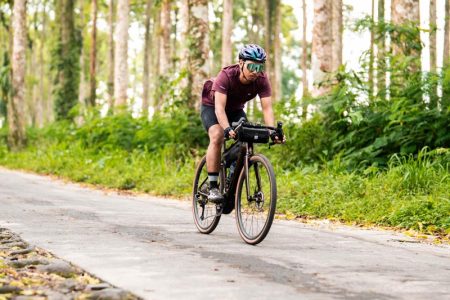
Buying an electric gravel bike is about finding the right balance between “stealth” and “utility.” A stealthy setup feels light, nimble, and close to a regular gravel ride, while a…
Pedal assist helps an e-bike respond to your pedaling by adding motor support only when you start turning the pedals. Rather than moving the bike on its own, the system…
An electric gravel bike is often worth considering if your goal is to ride farther, reduce fatigue, and make demanding terrain feel more accessible without losing the character of gravel…
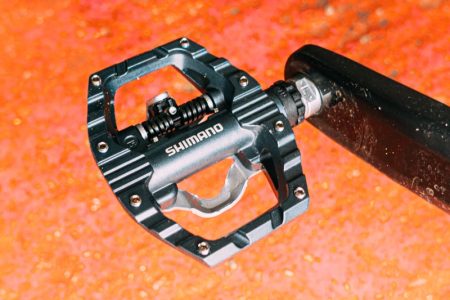
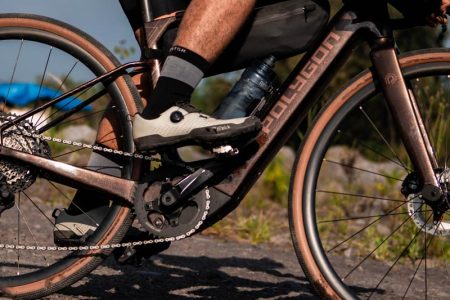
Choosing the right Gravel Bike pedals is essential because pedals influence comfort, control, and pedaling efficiency across mixed terrain. Gravel riding often combines pavement, dirt, loose gravel, and occasional walking…
Gravel bike pedals are designed for high mud clearance, durable performance, and easy walking, making them a hybrid between road and mountain bike (MTB) pedals. They ensure secure power transfer…
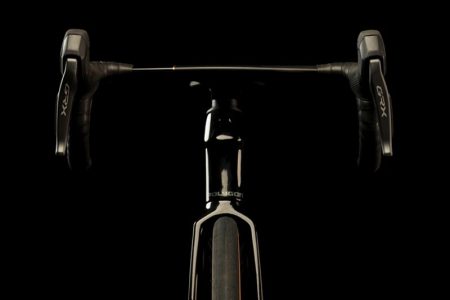
Choosing the right Gravel Bike handlebar starts with understanding how you want your bike to feel on rough terrain. Gravel handlebars are typically wider than standard road bars, often 42-50…
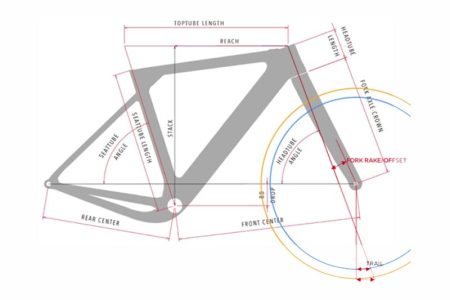
Gravel bike geometry is designed to prioritize stability, comfort, and control on unpredictable terrain. Compared to a typical road bike, a gravel bicycle usually features a longer wheelbase, a slightly…
A Gravel Bike handlebar is designed to give riders more control and comfort on mixed terrain than a standard road handlebar. While it usually keeps the familiar drop-bar shape, the…