




Step outside on a weekend morning, whether you’re in a busy city or a quiet countryside, and you’ll start noticing a new kind of bike rolling by. It’s not quite a road bike, not quite a mountain bike either.
That’s the gravel bike, and it’s quickly becoming the go-to choice for riders who want more freedom from a single ride.
So, what’s behind this global shift? Let’s break it down.
Gravel Bike vs Traditional Bikes
Gravel bikes didn’t appear out of thin air. They’re a direct response to the gaps left behind by traditional bike categories like road, mountain, and touring. Here’s how they stack up.
Gravel Bike vs Road Bike
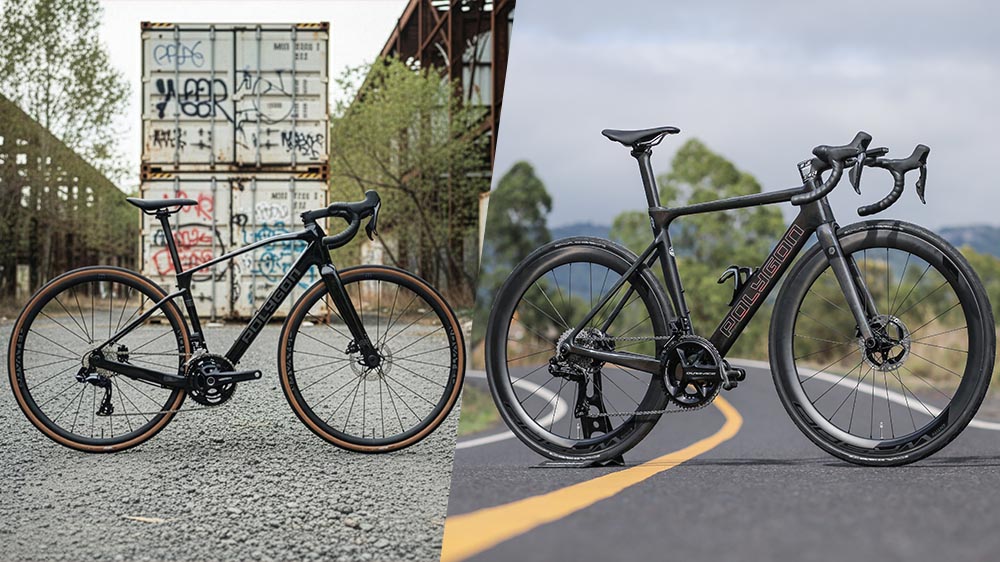
Road bikes are fast, sleek, and perfectly at home on smooth tarmac. But the moment the road turns to chip-seal, cobblestone, or disappears into a dirt track, they feel fragile and out of their depth.
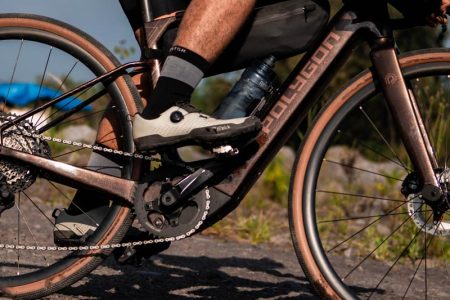
Gravel bikes borrow the familiar drop-bar silhouette but add wider tire clearance, more relaxed geometry, and real-world durability. The result is a ride that stays comfortable over long distances and confident the moment smooth pavement runs out.
Want a closer look? Read our article, “Can a Gravel Bike Truly Replace Your Road Bike?“
Gravel Bike vs Mountain Bike
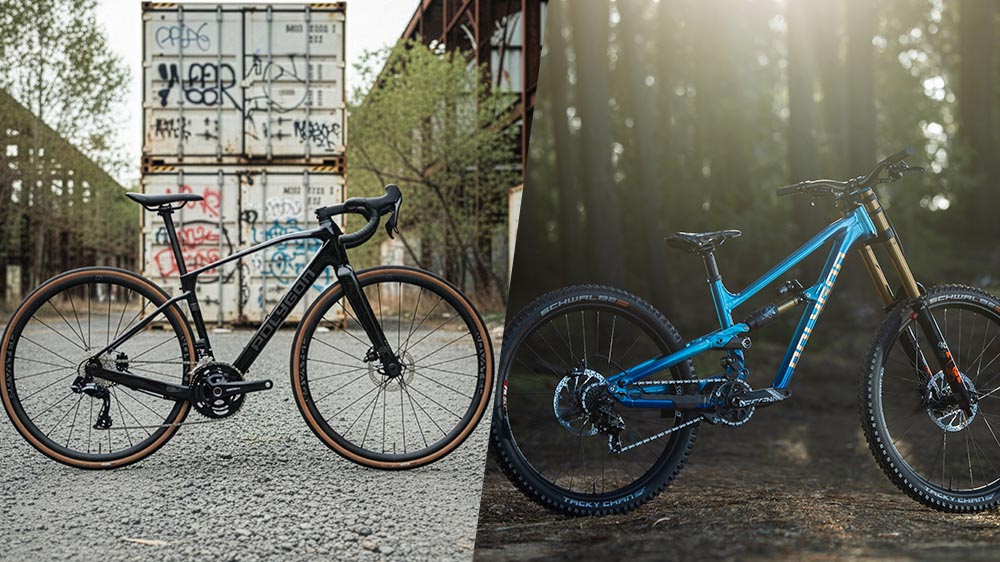
Mountain bikes dominate roots, rocks, and steep technical descents. But on open gravel roads, they can feel heavy and sluggish.
Gravel bikes prioritize rolling efficiency. They’re lighter, faster on hard-packed terrain, and purpose-built for mixed surfaces.
Gravel Bike vs Touring Bike
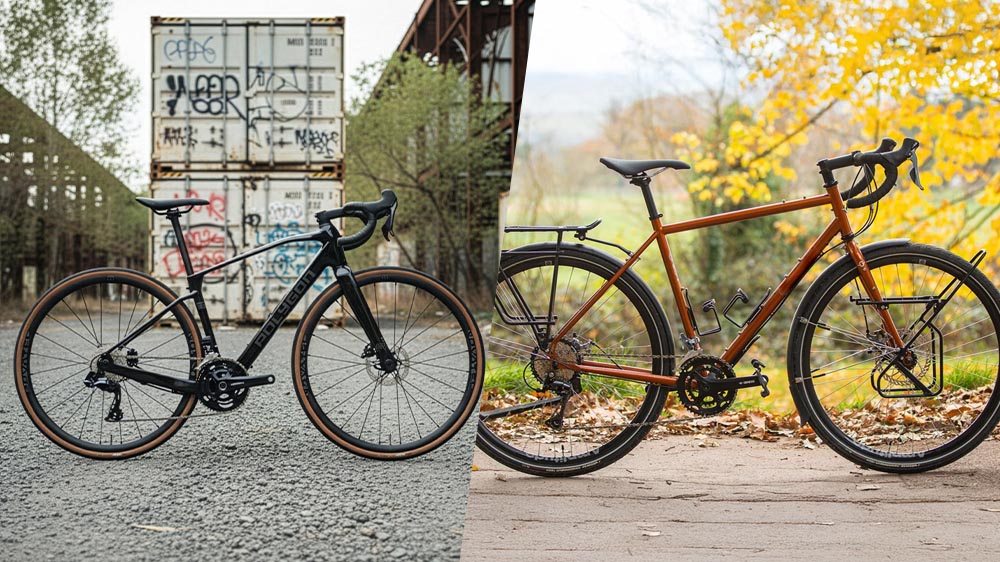
Touring bikes have always been built for all-day comfort and carrying heavy loads. But that comes at a cost, they can feel slow and cumbersome.
Gravel bikes split the difference: mounting points for bags and racks, paired with a livelier, more responsive ride. For modern bikepackers exploring everything from the Silk Road to the Pacific coast, that agility is everything.
What Makes Gravel Bikes So Versatile?
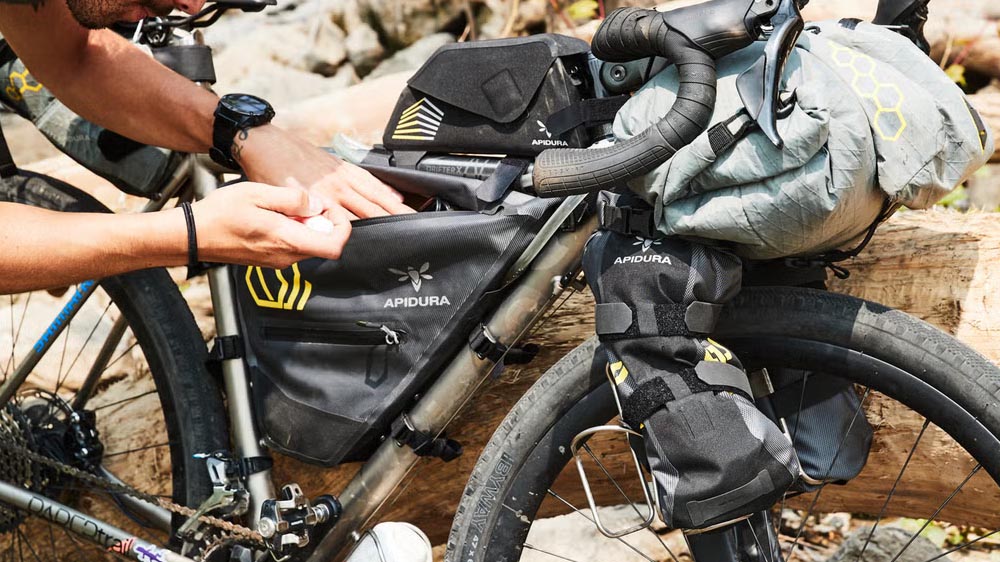
Gravel bikes stand out because of how adaptable they are.
- Wide Tire Compatibility
From fast-rolling slicks to chunky off-road tires, you can tailor your setup depending on where you ride. - Comfort-Focused Geometry
A more relaxed riding position reduces fatigue, making long-distance rides far more enjoyable. - Wide Gear Range
Whether climbing steep hills or riding fast flats, gravel bikes handle both with ease. - Mounting Options for Adventure
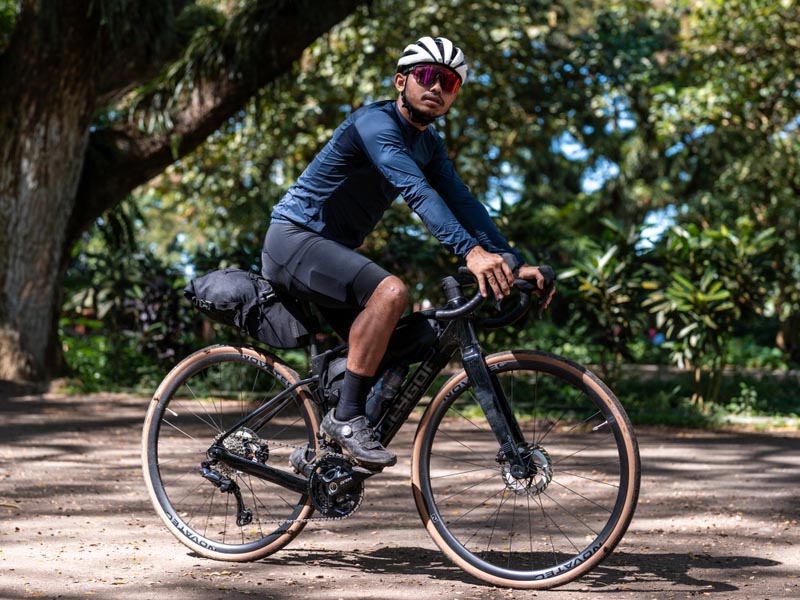
Extra mounts for racks, bags, and bottles make them perfect for commuting, touring, or bikepacking.
Why Riders Are Making the Switch?
Endurance Road Riders Seeking Comfort
For years, road cyclists obsessed over smooth tarmac, avoiding anything rougher. But even the world’s best roads eventually crack, deteriorate, or turn to gravel.
Rather than rerouting, gravel converts embrace the imperfection. Same long-distance freedom, but with the geometry and tires to actually enjoy those mixed surfaces.
Mountain Bikers Craving Efficiency
Many mountain bikers know the frustration: kilometers of fire roads and gravel access tracks before the singletrack even begins. An MTB handles it, sure but a gravel bike covers that ground faster and more comfortably, saving energy for the terrain that actually demands suspension.
Touring Enthusiasts Wanting More Agility
Traditional touring bikes are workhorses, but they can feel unwieldy on shorter trips or lighter loads. Gravel bikes offer the mounts you need without the weight penalty, agile enough for a weekend escape, capable enough for a cross-country crossing.
These shifts aren’t just about the bike, they’re about how people around the world want to experience cycling. A gravel bike can be the morning café run, the afternoon backroad adventure, and the long-weekend bikepacking machine all in one.
Before hitting the gravel, check out “What’s Gravel Biking? Here Are 3 Things You Need to Know” for a solid introduction.
Who Gravel Bikes Aren’t For?
Despite their versatility, gravel bikes aren’t the perfect solution for everyone.
- If your goal is pure speed on smooth roads, a road bike still performs better.
- If you love aggressive trails and technical descents, a mountain bike remains the better choice.
- If you’re focused on heavy-duty, long-haul touring, traditional touring bikes may still feel more stable.
Gravel bikes aren’t just another category, they represent a new way of thinking about cycling.
They offer the freedom to explore, the comfort for long rides, and the versatility to handle almost anything in your path.
For many riders around the world, switching to a gravel bicycle isn’t just an upgrade, it’s a completely new riding experience.