




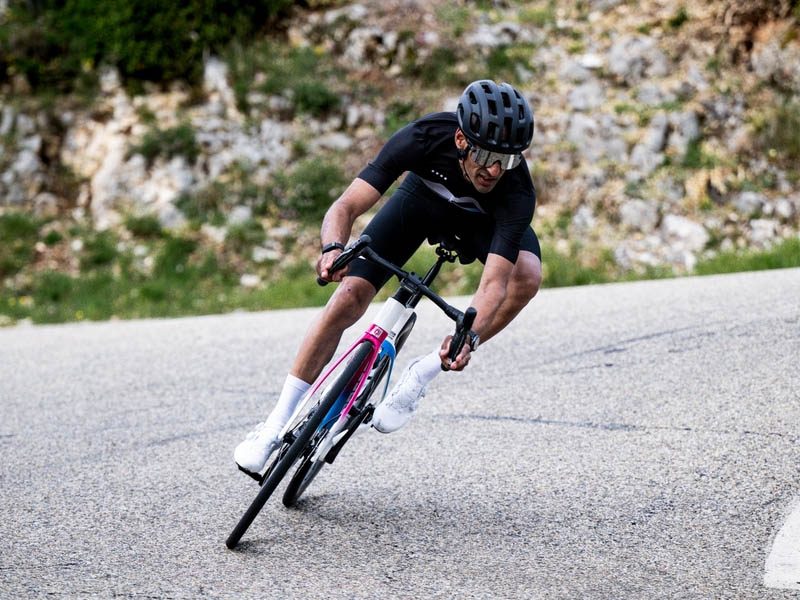
You don’t need a new road bike to go faster. Instead, transform your current bike with the right upgrades. A well-planned road bike upgrade can improve aerodynamics, grip, rolling efficiency, shifting, and overall performance without replacing the entire bike.
From refining the cockpit to upgrading tires, wheels, and drivetrain, a few targeted changes can make your road bicycle feel faster, smoother, and more responsive on every ride.
Swap Your Cockpit for a More Aero Setup
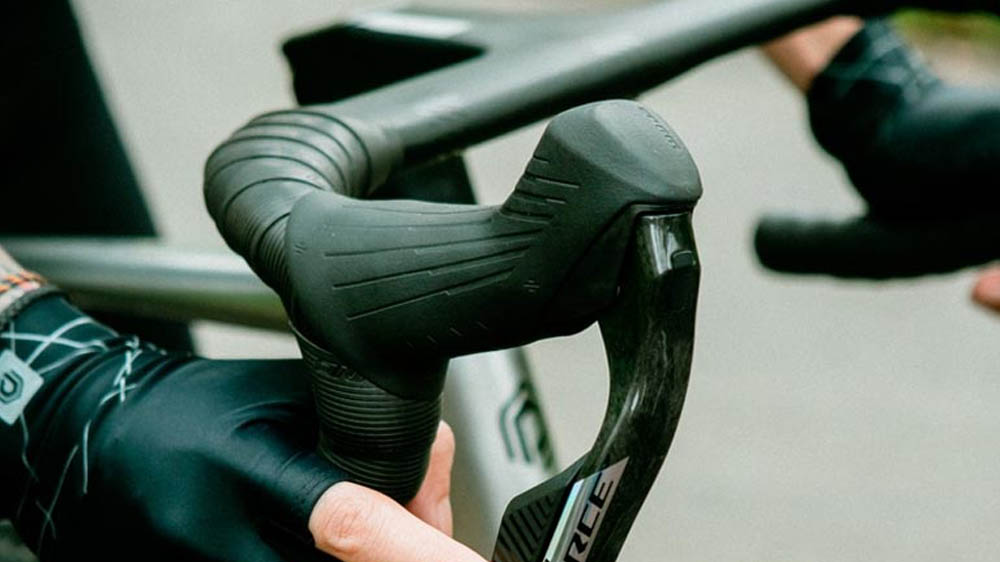
Your cockpit is a good place to start when improving aerodynamics because your riding position plays a major role in how much air resistance you face. If you want to create a more streamlined setup, consider these two changes:
- Choose a narrower or aero handlebar: A narrower handlebar can help reduce your frontal area while also reducing strain on your shoulders. This makes it a practical change for riders looking to create a more streamlined position without immediately replacing major components.
- Use an integrated handlebar and stem: For a cleaner setup, consider an integrated handlebar and stem, which combines both components into one streamlined unit. Besides creating a sleek appearance, an integrated cockpit can support a more aerodynamic setup by keeping the front end compact and tidy.
Just remember that aero gains should still work with your riding position. Check the width, stem length, height, and compatibility with your road bike before making the switch. The goal is to improve aerodynamics without compromising a position you can comfortably maintain on the road.
Rethink Your Tires and Pressure
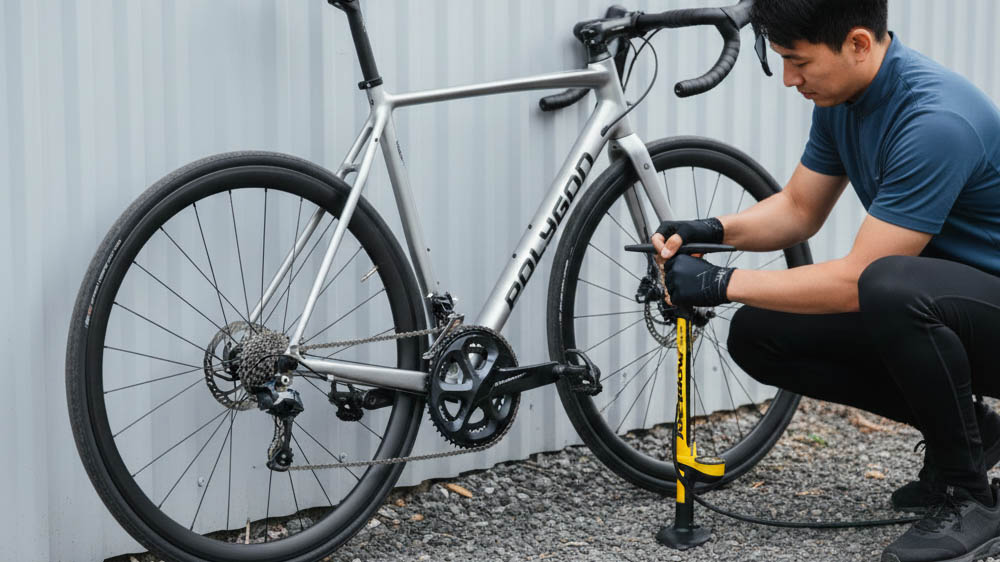
Wider tires aren’t just about comfort. Choosing the right tire width and pressure can help your road bicycle handle imperfect road surfaces while maintaining efficient rolling.
- Go for wider tires around 28 mm or 32 mm: Modern road bicycle setups can benefit from wider tires, depending on the bike’s clearance and compatibility. Wider tires can improve stability, control, and comfort, particularly when the road surface is less than perfect.
- Run a lower PSI: A wider tire allows you to run lower pressure, helping absorb road chatter and maintain grip. Instead of simply pumping your tires to a high PSI, find the right pressure based on your weight, tires, and riding style. Lower pressure can help the tires conform better to the road rather than bouncing over small imperfections. With the right combination of tire width and pressure, you can maintain efficient rolling while enjoying a smoother, more controlled ride.
Before going wider, however, check that the tire and rim combination is compatible with your bike and that there is enough frame and fork clearance.
Upgrade Your Wheelset for Speed and Aerodynamics
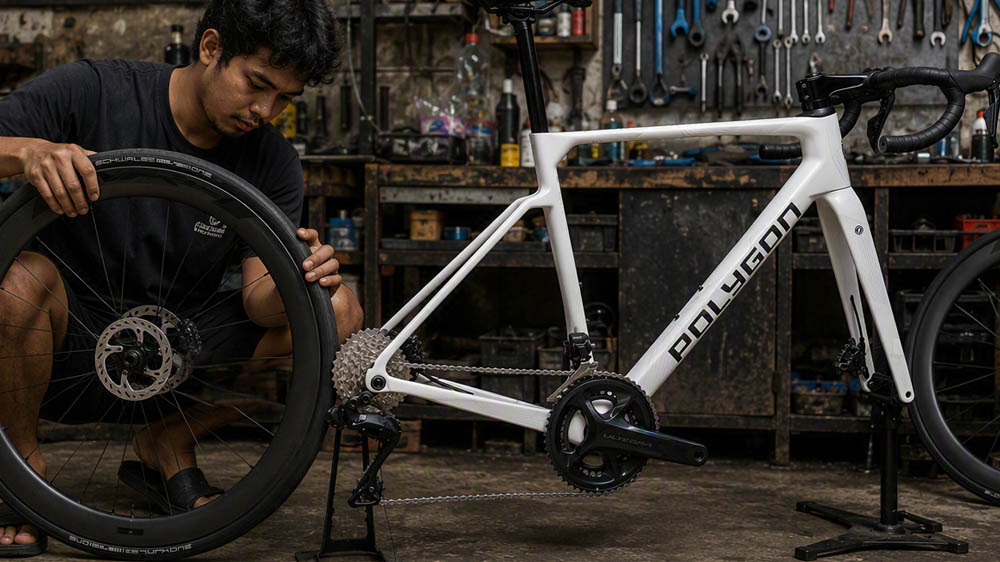
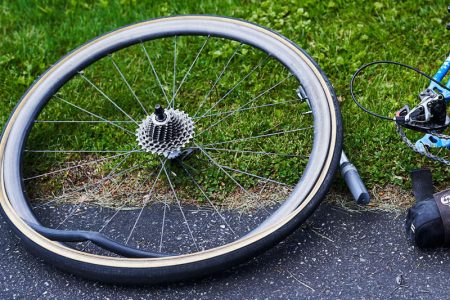
If performance is the priority, the wheelset can be one of the most impactful road bike upgrade options. Many bikes come with durable alloy wheels, but switching to a lighter or more aerodynamic wheelset can improve rolling efficiency and overall ride feel. As a rotating component, the wheelset can noticeably influence how responsive your bike feels when accelerating and maintaining pace.
For riders chasing speed, consider a deeper-section carbon wheelset. Its aerodynamic profile is particularly useful for maintaining speed on fast, flatter routes. Carbon wheels can also offer a combination of lower weight, stiffness, and aerodynamic shaping compared with more basic wheelsets.
However, deeper isn’t automatically better for every rider. A lighter and more versatile setup may be better suited to climbing and all-round riding, so choose your wheel depth based on where and how you ride most often.
Optimize Your Drivetrain with Electronic Shifting
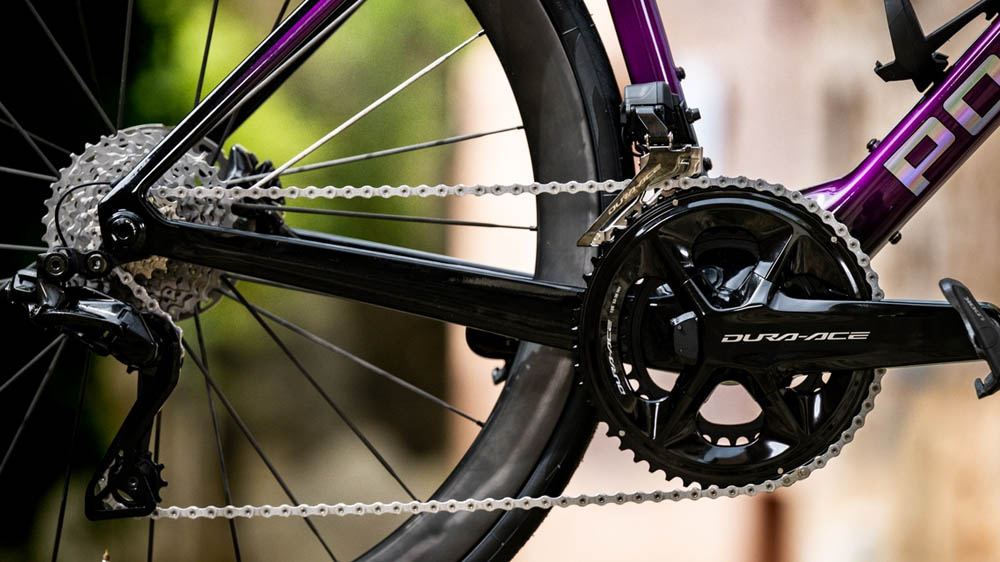
Mechanical shifting can perform well, but electronic shifting takes precision and ease of use further. Electronic drivetrains deliver faster, more precise shifts with almost zero effort, making it easier to move through multiple gears when the pace changes. Instead of relying on cable tension, the system uses electronic signals to control gear changes, creating a consistent shifting experience.
Once properly set up, electronic derailleurs also require relatively little adjustment over time. This can be especially appealing for riders who want dependable, accurate shifting without regularly fine-tuning a mechanical system.
It can be a significant investment, but for riders looking to make their road bike feel more precise and responsive, electronic shifting can be a performance-focused upgrade worth considering. It won’t replace strong legs, but it can make accessing the right gear quicker and more effortless.
Why Upgrade Rather Than Buy a New Road Bike?
If your current road bicycle still fits and performs well, a targeted road bike upgrade can improve the areas that matter most without replacing the whole bike.
Start with your biggest performance needs and upgrade gradually. If several major components need replacing, however, compare the total cost with buying a new road bike.
Read also: