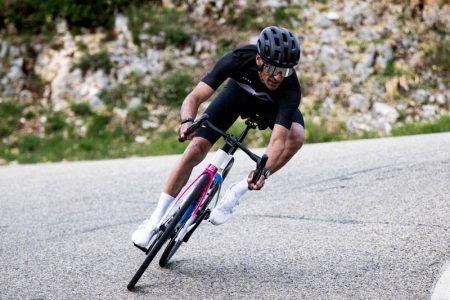










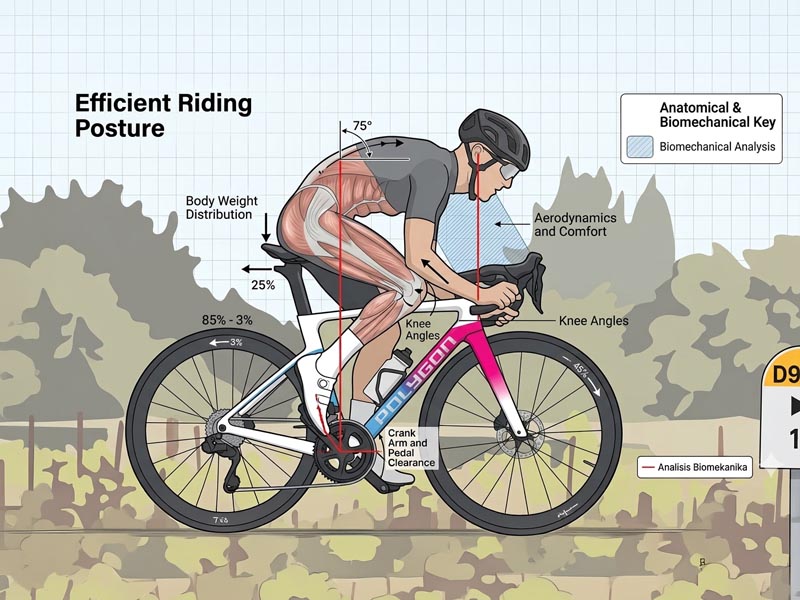
A proper road cycling posture helps reduce unnecessary strain on your neck, shoulders, hands, lower back, and knees. The goal is not to look as aggressive as professional riders, but to find a balanced position you can maintain comfortably for long periods.
When your posture is neutral and your road bike is adjusted correctly, riding becomes more efficient, more comfortable, and less likely to cause overuse injuries.
How to Find a Neutral Road Cycling Position?
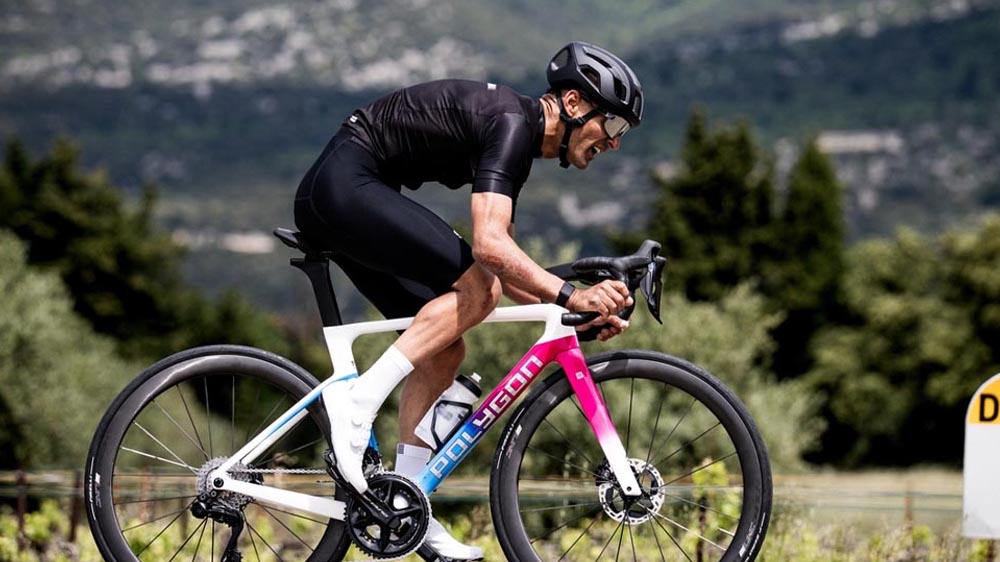
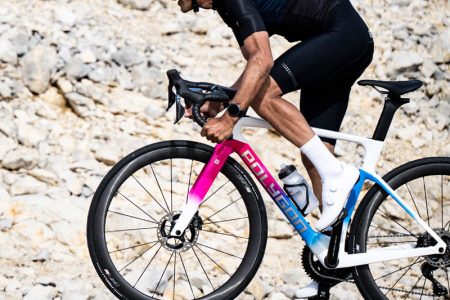
A neutral road cycling position is your baseline posture when riding steadily on the hoods. It should feel balanced, relaxed, and sustainable rather than tense or overly stretched.
1. Optimize Your Saddle Height
Saddle height is the foundation of good posture. A simple starting method is to place your heel on the pedal at the bottom of the stroke. Your leg should fully extend without your hips rocking side to side. When you return to pedaling normally with the ball of your foot over the pedal, your knee should maintain a slight bend.
If the saddle is too low, your knees remain excessively bent, which can reduce efficiency and increase discomfort. If it is too high, your hips may rock, and your hamstrings can become overworked.
Read also: Fix Road Bike Saddle Discomfort
2. Adjust Saddle Fore-Aft Position
Fore-aft refers to how far forward or backward the saddle sits on its rails. The goal is to keep your weight centered over the road bike. If the saddle is too far forward, you may feel excessive pressure on your hands and shoulders. If it is too far back, you may feel overstretched and lose pedaling efficiency.
A balanced position allows you to sit naturally without constantly sliding forward or bracing against the handlebars.
3. Balance Your Reach and Drop
Reach is the horizontal distance to the handlebars, while drop is the vertical difference between the saddle and bars.
For most riders, a neutral setup allows you to ride on the hoods with slightly bent elbows and relaxed shoulders. Your wrists should remain straight, and you should not feel like you are supporting your upper body entirely with your hands.
A more aggressive position may improve aerodynamics, but comfort and sustainability matter more for most road bicycle riders.
4. Align Your Back, Shoulders, and Arms
Your upper body should feel relaxed. Keep a natural curve in your spine rather than rounding or arching excessively. Your shoulders should stay loose and away from your ears. Your elbows should remain slightly bent so your arms can absorb road vibrations.
Think of your arms as suspension rather than rigid supports.
5. Pedaling Alignment
Efficient pedaling depends on proper lower-body alignment. Your knee should track in line with the ball of your foot and the pedal. This helps reduce stress on the knees and promotes smoother power transfer.
When viewed from the front, your knees should move in a relatively straight path rather than drifting inward or outward excessively.
Common Road Cycling Posture Mistakes
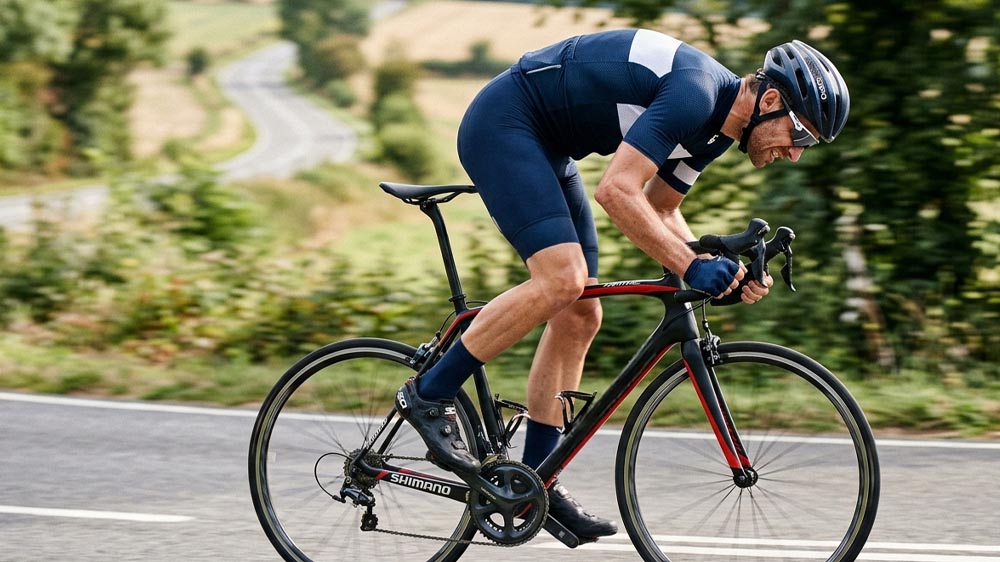
Even a high-quality road bike can feel uncomfortable if the basic setup is off.
- Saddle Too High: A saddle that is too high often causes hips to rock from side to side and can lead to hamstring tightness, saddle discomfort, and lower-back strain.
- Bars Too Low: Handlebars positioned too low may force excessive bending at the hips and place unnecessary pressure on the neck, shoulders, and hands.
- Too Much Handlebar Drop: A large difference between saddle and handlebar height can look fast but may be difficult to sustain unless you have the flexibility and core strength to support it comfortably.
- Core Not Engaged: Your torso should be lightly supported by your core muscles. If your core is not engaged, more weight shifts into your hands, which can lead to numb fingers and upper-body fatigue.
Quick Comfort Check
Once your road cycling position feels dialed in, use these simple checks while riding:
- Can you ride on the hoods comfortably for 10–20 minutes?
- Can you briefly remove one hand without losing balance?
- Do your hands, neck, and lower back feel relaxed?
If you can answer yes to these questions, you are likely very close to a neutral road cycling position that is both efficient and comfortable for longer rides.
Final Thoughts
A good road cycling posture is less about copying professional racers and more about finding a position your body can support efficiently. Small adjustments to saddle height, fore-aft position, and handlebar setup can significantly improve comfort and reduce injury risk. When your position feels balanced and natural, your road bike becomes easier to control, more efficient to pedal, and much more enjoyable over long distances.
Read also: