




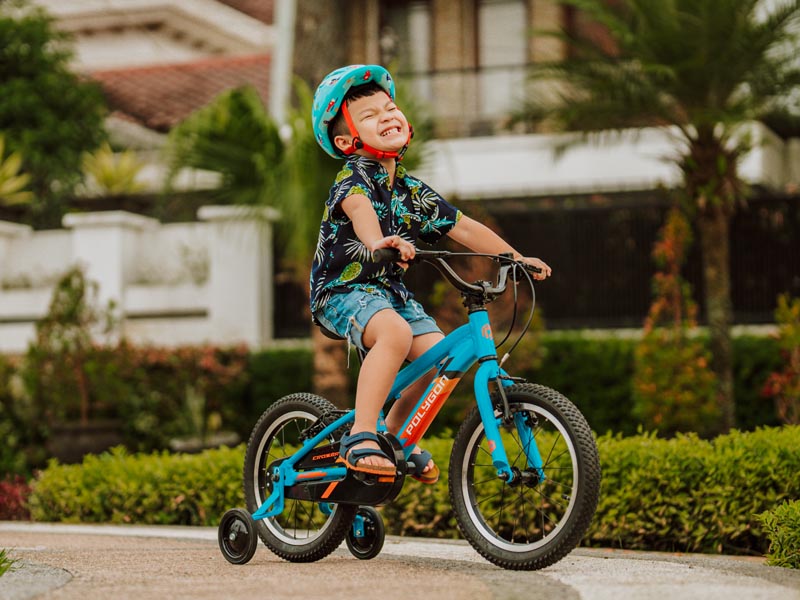
No, most experts now recommend skipping a training wheel kids bike if possible. While training wheels can keep a bike upright, they often delay the most important skill in cycling: balance. Modern teaching methods focus on balance first, which helps children ride independently faster and with more confidence.
Why Are Training Wheels Not Necessary?
 1. Balance Development Comes First
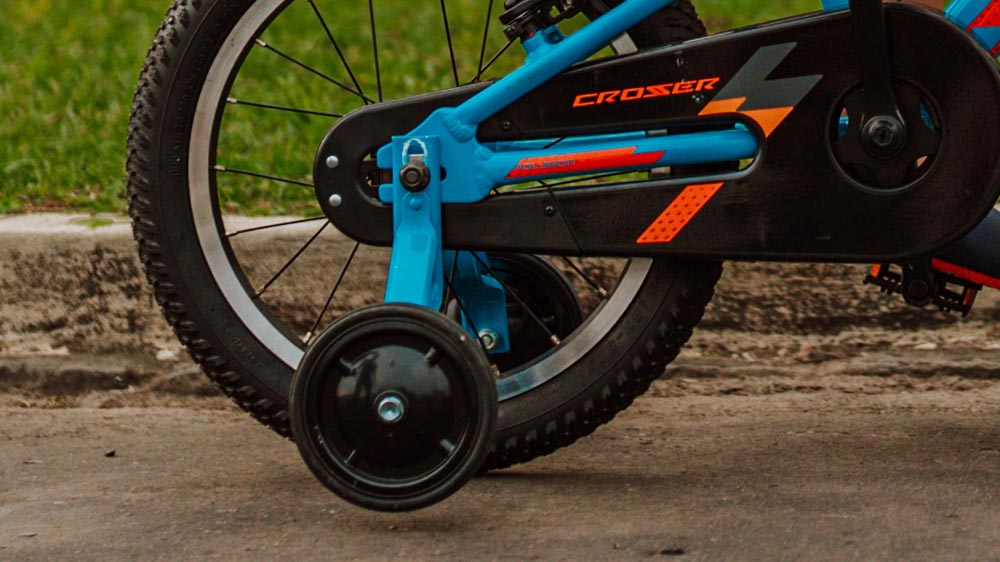
The hardest and most important skill in riding a bicycle for kids isn’t pedaling, it’s balancing. Training wheels prevent children from learning how to balance naturally because the bike never truly leans.
When kids start without training wheels, they quickly learn how to shift their weight, steer smoothly, and correct small wobbles. These instincts are what make real riding possible.
2. They Create False Confidence
Training wheels can make kids feel stable, but that stability disappears once they’re removed. Many children who rely on them feel like they’re “starting over” when transitioning to two wheels.
That’s why some kids who use training wheels don’t ride independently until 6–8 years old, while balance-focused learners often master it much earlier.
3. Limited Effectiveness on Real Terrain
Training wheels work best on flat, smooth surfaces. On uneven ground or during turns, they can actually tip or wobble awkwardly. Because the bike can’t lean naturally, turning becomes less intuitive.
In short, they keep the bike upright, but they don’t teach real riding skills.
What Are Better Alternatives to Training Wheels?
 Balance Bike (Best for Ages 2–5)
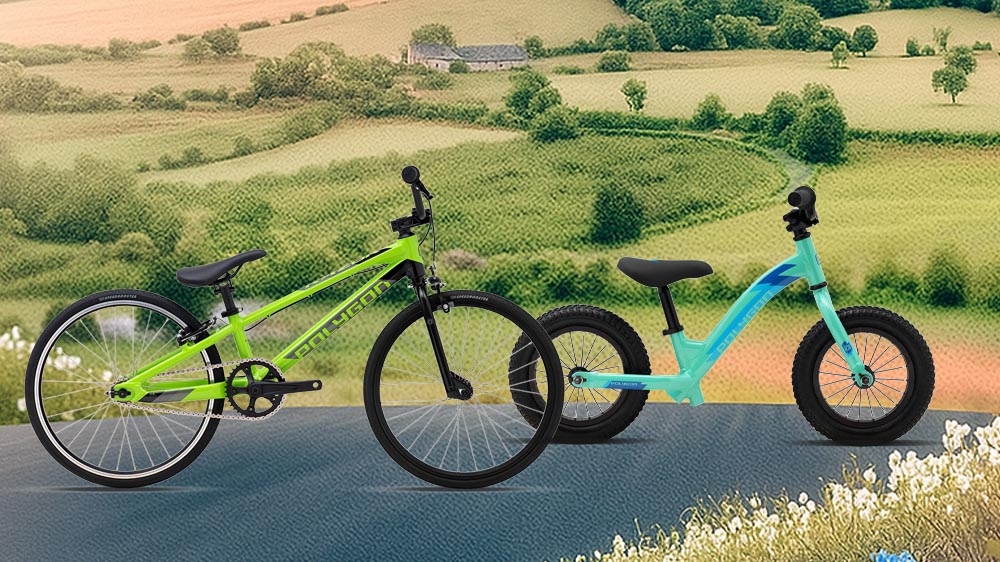
A balance bike removes pedals entirely and allows kids to focus purely on steering and balance. Children push off with their feet, glide, and naturally lift their legs once they feel stable.
This method builds:
- True balance
- Steering control
- Confidence
- Smooth transition to pedals
Many kids who use a balance bike move directly onto a pedal bike without ever needing training wheels, sometimes up to two years earlier than traditional methods.
Kids Pedal Bike Without Training Wheels (Ages 4–7)
A kids bike without training wheels can also work very well, especially if set up properly.
Helpful transition tips:
- Lower the seat so the child can place both feet flat on the ground.
- Let them scoot and glide first before focusing on pedaling.
- If needed, temporarily remove the pedals and treat it like a balance bike.
With practice in a flat, open area and gentle encouragement, many children learn to ride independently in just one or two sessions.
Readiness Signs: Is Your Child Ready?
Age is less important than skill. Most children show readiness between 4–6 years old, but focus on ability instead of numbers.
Look for these signs:
- They can glide with feet lifted for a few seconds.
- They steer confidently through gentle turns.
- They show excitement about trying without support.
If a child can coast smoothly, they’re likely ready to skip the training wheel kids bike entirely.
When Can Training Wheels Help?
Training wheels aren’t “bad”, but they’re just limited. In some situations, they can be useful as a short-term tool.
1. Very Hesitant or Fearful Children
If a child is extremely anxious about falling, temporary use of training wheels may build emotional confidence. The key is not letting them become a long-term dependency.
2. Delayed Motor Confidence
Some children need extra time to develop coordination and balance. In these cases, training wheels can serve as a gentle introduction to riding mechanics while balance skills develop gradually.
3. Parents Prefer a Gradual Method
Some families feel more comfortable with a step-by-step progression. If using training wheels, treat them as temporary, but think weeks, not months.
Encourage balance practice even while they’re attached. For example, find smooth areas where one wheel slightly lifts during gentle turns to help introduce natural lean.
Final Thought
A child does not need a training wheel kids bike to learn how to ride. In fact, most children learn faster and more confidently when they focus on balance first, either with a balance bike or a properly sized junior bike without training wheels.
That said, every child is different. If training wheels help ease fear or build initial comfort, they can be used briefly as a stepping stone. The goal, however, should always be independent balance.
When learning stays fun, pressure-free, and skill-focused, children gain more than just the ability to ride; they gain confidence that carries far beyond the kids bike.
Read also: What to Know: Junior Bikes