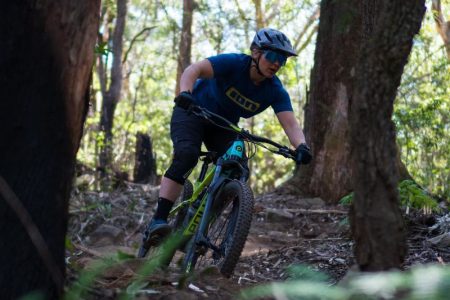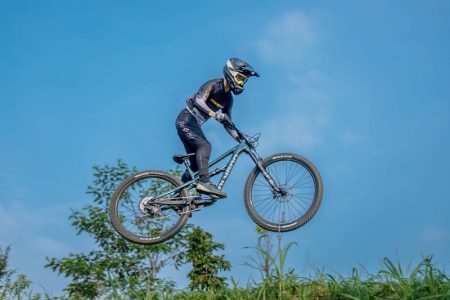



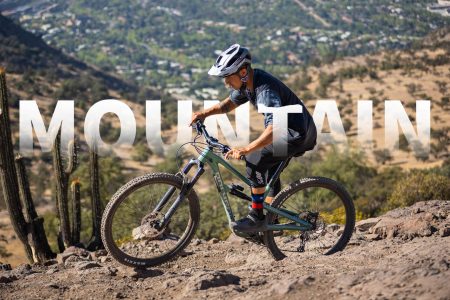

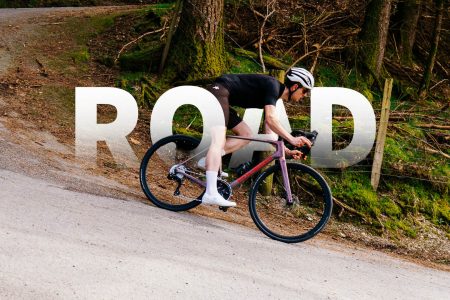

Bike touring and bikepacking both involve overnight travel by bicycle, but they differ mainly in purpose. Bikepacking puts the riding experience first, often focusing on rough terrain and lightweight gear. Bike touring is more travel-centered, where the bicycle serves as a practical tool for exploring new places.
Both offer rewarding adventures, but understanding how they differ makes it easier to choose the style, bike, and equipment that best match the kind of journey you want to experience.
Bikepacking: Prioritizing the Ride Itself
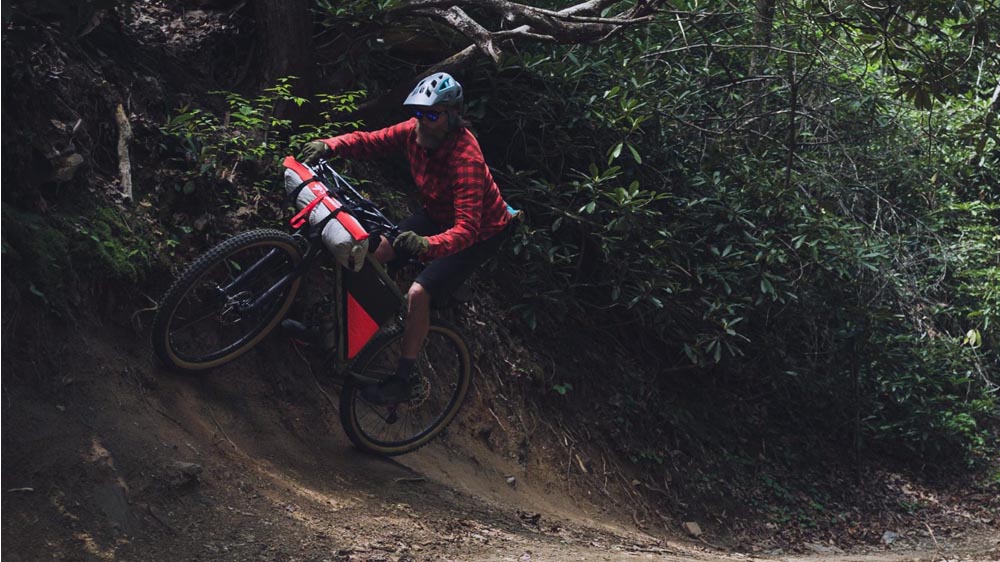
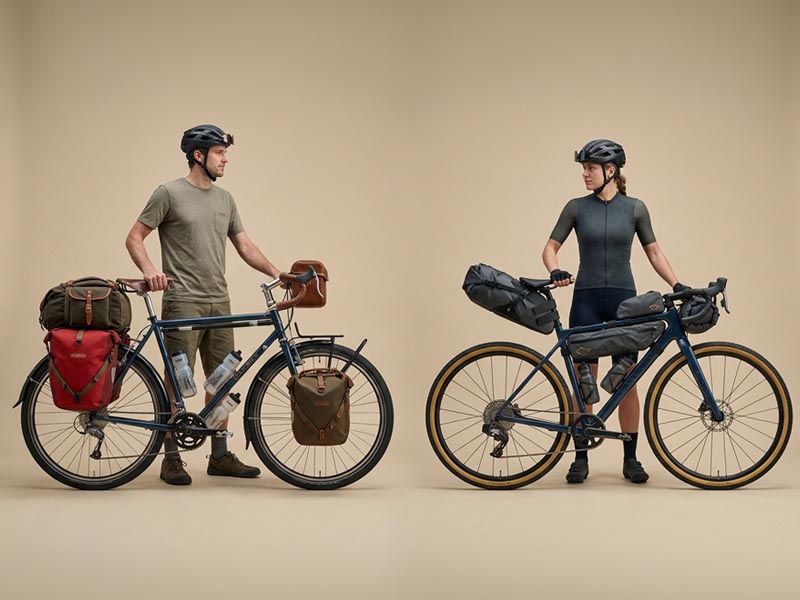
Bikepacking is more focused on the riding experience than the destination. The goal is not just to travel from one place to another, but to enjoy the challenge of riding through varied terrain with a lightweight, self-supported setup. Compared with traditional touring, bikepacking usually involves carrying only the essentials so the bike remains agile and easier to handle on rough surfaces.
1. Terrain: More Off-Paths and Mixed Surfaces
Bikepacking routes often include gravel roads, dirt tracks, forest trails, mountain passes, and occasionally singletrack. These surfaces are typically less predictable than paved roads and may require more technical handling skills.
Because many routes pass through remote areas, riders should be prepared for long stretches without shops, accommodation, or mechanical support. This is part of what makes bikepacking appealing to cyclists who enjoy adventure and independence.
2. Bike Type: Gravel Bikes, MTB, and Adventure Bikes
Because the terrain is more demanding, bikepacking is commonly done on a gravel bike, MTB, or adventure bike. These bikes are designed with wider tire clearance, stable geometry, and mounting points for bags and accessories.
A gravel bike offers an efficient balance between speed and off-road capability. Mountain bikes provide additional confidence on technical terrain, while adventure bikes are designed specifically for long-distance mixed-surface riding.
3. Routes: Remote and Nature-Focused
Most bikepacking routes are built around natural landscapes rather than urban destinations. Riders may pass through mountains, forests, coastlines, and backcountry roads where the scenery becomes a central part of the experience.
Some sections may not follow clearly defined roads, and camping is often part of the trip. In this sense, bikepacking feels closer to backpacking, with the bicycle serving as both transportation and part of the adventure itself.
Bike Touring: Travel-Centric Exploration
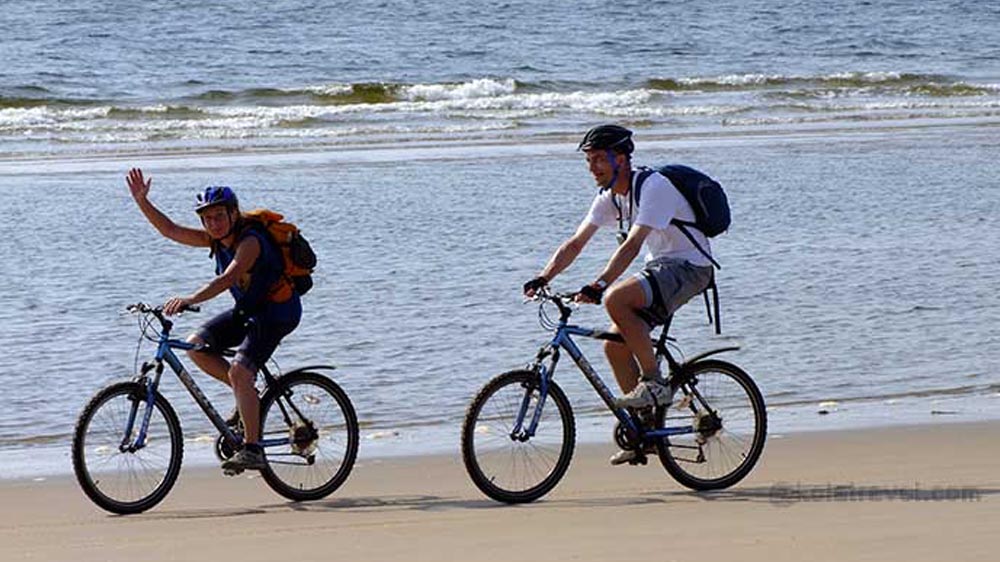
Bike touring places more emphasis on the overall travel experience. In this style, the bicycle is primarily a practical tool that lets you travel comfortably from one destination to another while carrying the gear you need.
The focus is often on the places you visit, the people you meet, and the cultural experiences along the way rather than on challenging terrain.
1. Terrain: Mostly Paved Roads and Established Routes
Traditional touring usually takes place on paved roads, highways, and designated cycling routes. Some light gravel may be included, but the surfaces are generally smoother and easier to navigate.
This makes bike touring more approachable for riders who prefer predictable conditions and longer daily distances without the technical demands of off-road riding.
2. Bike Type: Touring Bikes, Road Bikes, and Hybrids
A touring bike is the classic choice because it is designed to carry heavier loads comfortably over long distances. However, many riders also use a road bike or hybrid bike, depending on the route and how much gear they plan to bring.
These bikes are commonly equipped with front and rear racks, allowing riders to carry panniers with clothing, tools, and travel essentials.
3. Routes: Cities, Towns, and Popular Cycling Corridors
Touring routes often connect cities, small towns, and well-known cycling corridors. Riders usually have regular access to food, accommodation, and repair services, which makes planning simpler and the journey more structured.
Because comfort and carrying capacity are prioritized, bike touring is well-suited to riders who want to focus on exploration and enjoy the journey at a more relaxed pace.
Which One Should You Choose?
Choose bikepacking if you enjoy off-road riding, minimalist gear, and remote routes where the riding itself is the main challenge. Choose bike touring if you prefer paved roads, a larger carrying capacity, and a more travel-focused experience centered on the places you visit.
Many cyclists combine both approaches. A modern gravel bike can handle mixed terrain while carrying enough gear for comfortable overnight trips, making it a flexible choice for either style.
Our Adventure Bikes to Accompany Your Journey
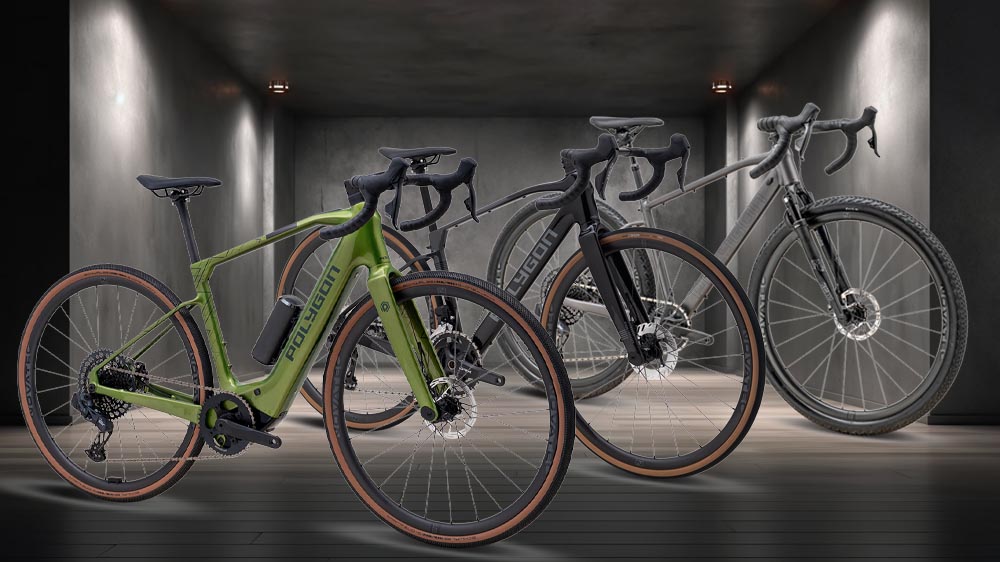
Polygon Bikes offers several bikes well-suited to both bikepacking and touring. The Polygon Bend is a versatile gravel bike designed for mixed-terrain adventures and self-supported trips.
The Polygon Tambora combines speed and comfort for riders planning long-distance journeys on varied surfaces. For riders who want extra assistance, the Polygon Tambora AE is an electric adventure bike that makes climbing and longer routes more manageable while preserving the spirit of exploration.
Read also: