









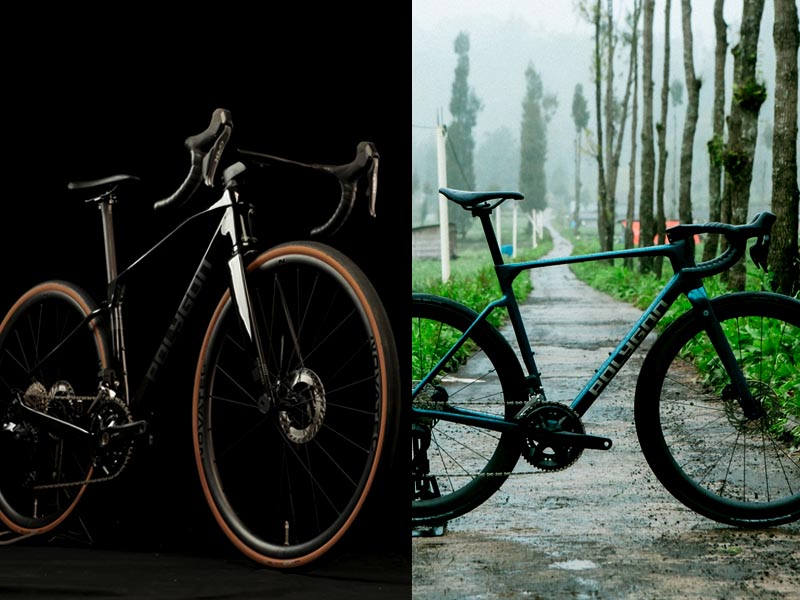
Choosing between a gravel bike and an endurance road bike largely depends on where and how you ride. Choose an endurance road bike if you primarily ride on pavement, prioritize speed, and want a comfortable, efficient road bicycle for long-distance tarmac riding.
A gravel bike, on the other hand, is ideal if you want more versatility for gravel roads, dirt paths, and mixed terrain with a stable, upright riding position.
Geometry & Comfort
Both categories are designed for comfort, but their geometry is tuned for different riding environments.
An endurance road bike is a more relaxed version of a traditional road race bike. It features a slightly more upright riding position and a geometry that helps reduce fatigue during long hours on pavement. The head tube angle is typically steeper and the wheelbase shorter, which keeps handling responsive and efficient on smooth tarmac.
A gravel bike, on the other hand, prioritizes stability and control on mixed terrain. Gravel frames often have a longer wheelbase, a slacker head tube angle, and a higher stack with shorter reach, creating a more upright position that improves balance and confidence on rough roads or loose surfaces.
In practice, both bikes are comfortable for long rides, but they deliver different ride feelings. Endurance road bikes feel more efficient and agile on pavement, while gravel bikes feel more stable and forgiving when the road turns rough.
Tire Clearance & Wheel Options
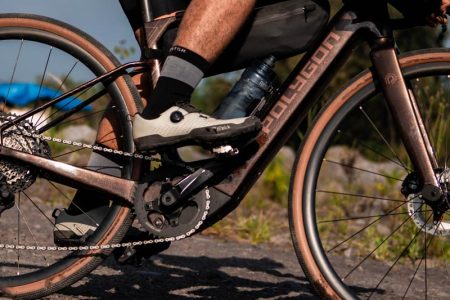
Tire size plays a major role in determining where each bike performs best. A gravel bike is designed to accommodate significantly wider tires. Many gravel bikes support tires between 40 mm and 50 mm, allowing riders to use knobby or semi-slick tread patterns for better grip on loose gravel, dirt roads, or light trails.
Some gravel bikes also support 650B wheelsets, enabling wider tires for improved comfort and traction on rough terrain.
An endurance road bike, meanwhile, focuses more on road efficiency. Tire clearance typically ranges from 28 mm to 35 mm, though some modern models can accommodate slightly wider tires. These tires are optimized for low rolling resistance on paved roads while still providing sufficient cushioning for long-distance riding on imperfect asphalt.
Gearing & Components
Gearing is another important factor. While both bikes may look similar at first glance, their drivetrain setups are designed for different riding conditions.
A gravel bike typically uses lower gearing to make climbing easier on steep gravel roads, loose surfaces, or rough terrain. Many gravel bikes also use a 1× drivetrain, which relies on a single front chainring paired with a wide-range cassette. This setup simplifies shifting and improves reliability when riding off-road.
An endurance road bike, meanwhile, usually features a 2× drivetrain, similar to traditional road bikes. Two chainrings up front provide a wider gear range and closer spacing, helping riders maintain a steady cadence on long paved-road rides.
Gravel bikes focus on control and climbing capability on mixed terrain, while endurance road bikes prioritize smooth, efficient pedaling on tarmac.
Which One Is Faster?
 Between the two, an endurance road bike typically has the advantage for pure speed on paved roads. Its geometry, narrower tires, and road-focused setup are designed to minimize rolling resistance and maintain higher cruising speeds on smooth tarmac.
A gravel bike can still move quickly, especially on mixed terrain. However, wider tires and a more stable geometry often make it slightly slower on perfectly smooth roads. Where it shines is on rougher surfaces, where added traction and stability allow riders to maintain momentum more confidently.
Which One Is Better for Long-Distance Cycling?
Both categories are designed for long rides, but they serve different types of routes.
An endurance road bike is built for spending hours on pavement. Its comfort-focused geometry and efficient riding position help reduce fatigue during extended road rides, making it a popular choice for events like gran fondos or long training days.
A gravel bike, meanwhile, is better suited for long adventures that include varied terrain. Wider tires, stable handling, and additional mounting points for bags make it well-suited for bikepacking trips or exploration beyond paved roads.
Endurance Road Bike Recommendation: Polygon Strattos C
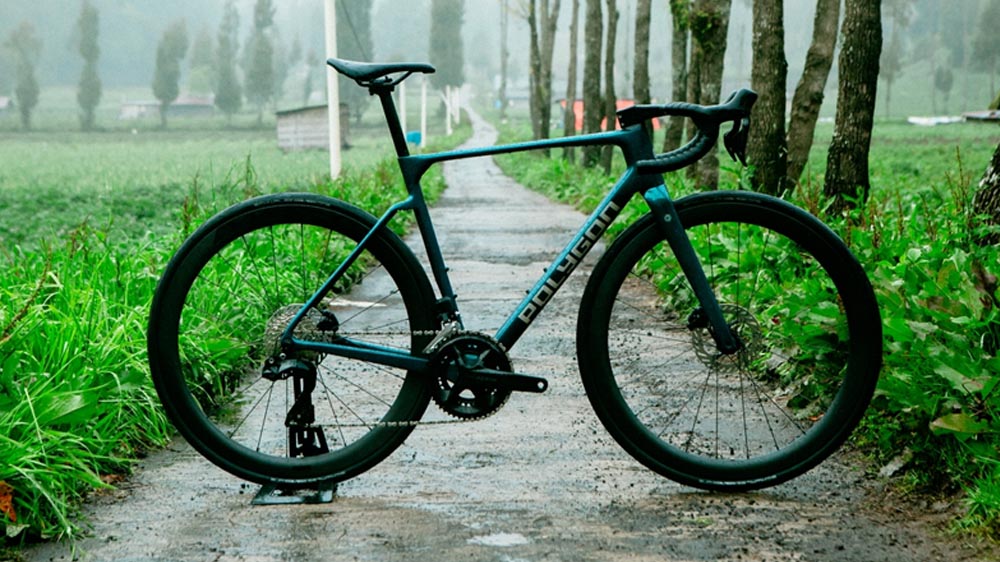 For riders focused on long pavement rides, the Strattos C Road Bike is a solid endurance road bike option.
Built with an ACX carbon frame and a full-carbon fork, it offers a comfortable riding position that reduces fatigue on long-distance road rides. The frame also supports tires up to around 34c, providing extra comfort on rougher pavement.
Gravel Bike Recommendations: Polygon Tambora and Polygon Bend
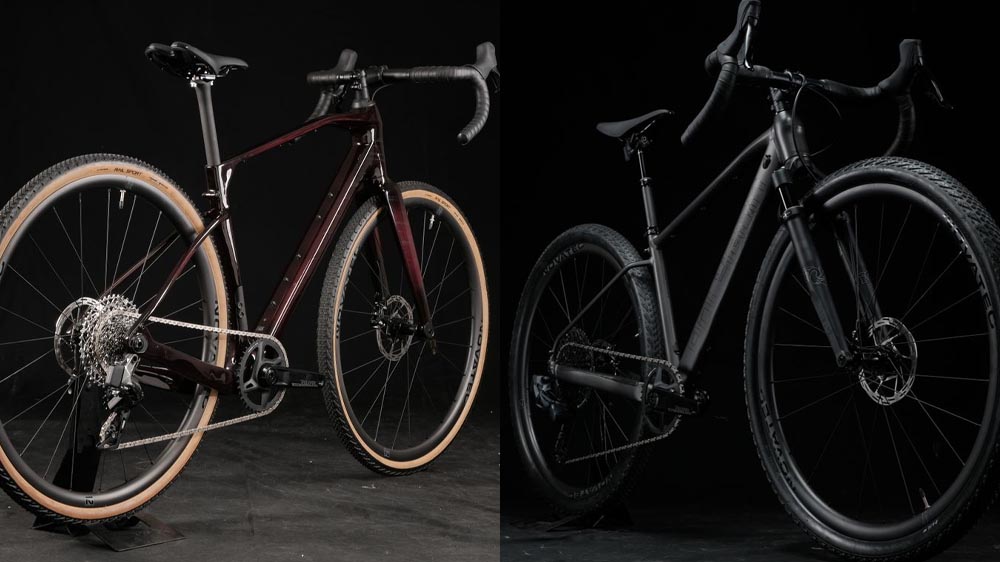 For mixed-surface riding, the Tambora and Bend gravel bikes are strong gravel bike choices. Both models are designed for versatility, with stable handling and wider tire clearance, making them suitable for gravel roads, dirt paths, and longer adventure rides.
Read also: