




Road Cycling Safety Starts with the Basics
Road cycling safety comes down to being predictable, visible, and proactive. Whether riding for daily commuting or longer training sessions, cyclists share the road with traffic that moves faster and weighs more.
Small habits, like clear signaling, proper bike setup, and staying alert, can make a big difference. With the right mindset and preparation, road cycling can be safer, more controlled, and far more enjoyable on public roads.
1. Choose the Right Road Bike
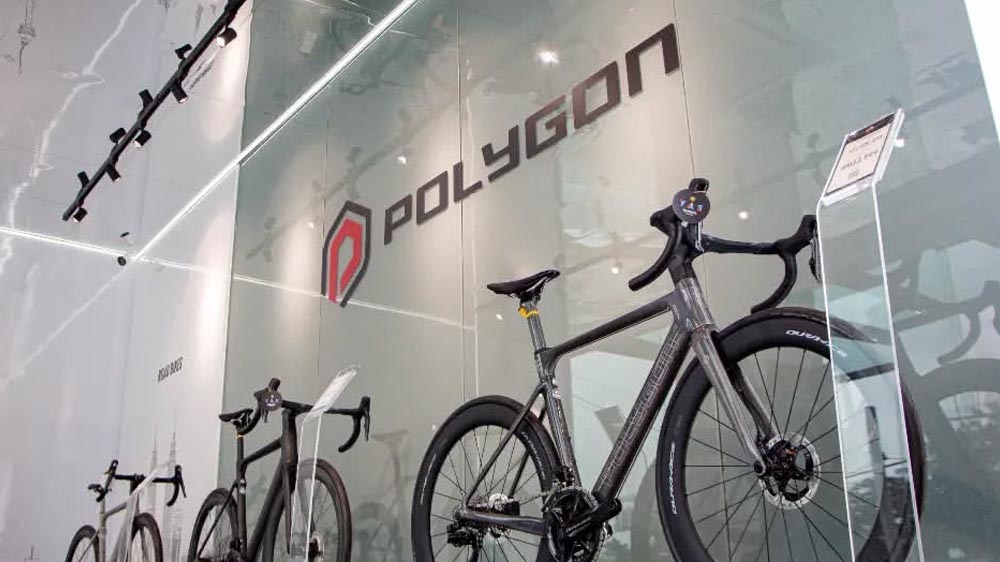 Road cycling safety begins with choosing the right road bike for how and where it will be used. A properly sized frame, stable geometry, and predictable handling all contribute to better control, especially in traffic or at higher speeds.
A well-fitted road bicycle reduces fatigue and helps riders react more confidently to sudden braking, uneven surfaces, or unexpected obstacles. The best road bikes aren’t just about speed; they provide stability, comfort, and consistent handling that support safer riding over longer distances.
2. Plan Your Route & Obey Traffic Laws
Smart route planning is a key part of road cycling safety. Choosing roads with smoother surfaces, fewer blind corners, and predictable traffic patterns helps reduce stress and risk. Whenever possible, select routes that offer wider shoulders or dedicated bike lanes.
Obey traffic laws just like any other vehicle. Use hand signals clearly, ride in a visible lane position, and avoid hugging the edge of the road. Staying slightly inside the lane makes riders more noticeable and helps prevent door-zone accidents from parked cars.
3. Prepare the Right Road Cycling Gear
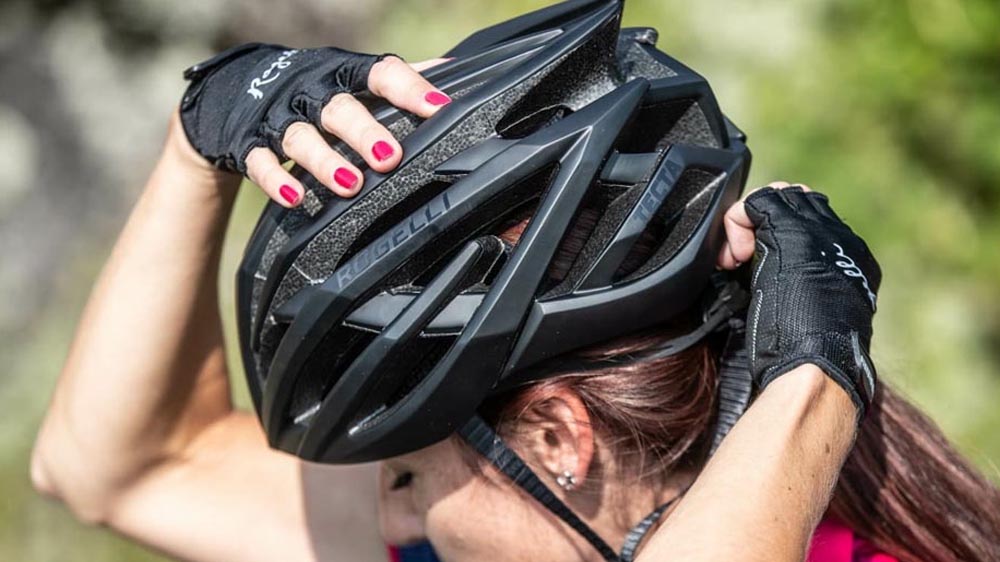 The right gear significantly improves visibility and protection during road cycling, especially in busy or low-light conditions.
Essential road cycling gear includes:
- A certified helmet designed for road use
- Front and rear daytime running lights to remain visible even in bright conditions
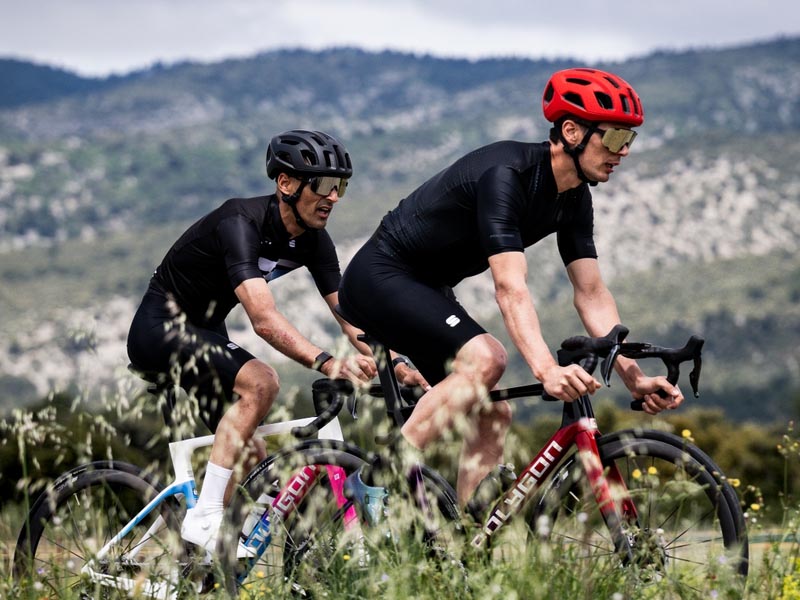
- Reflective or bright-colored clothing that attracts attention faster than dark kits
Visibility-focused gear helps drivers identify riders earlier and react more safely.
Read also: Best Road Bike Gear for Long Rides
4. Use the Right Tire Pressure
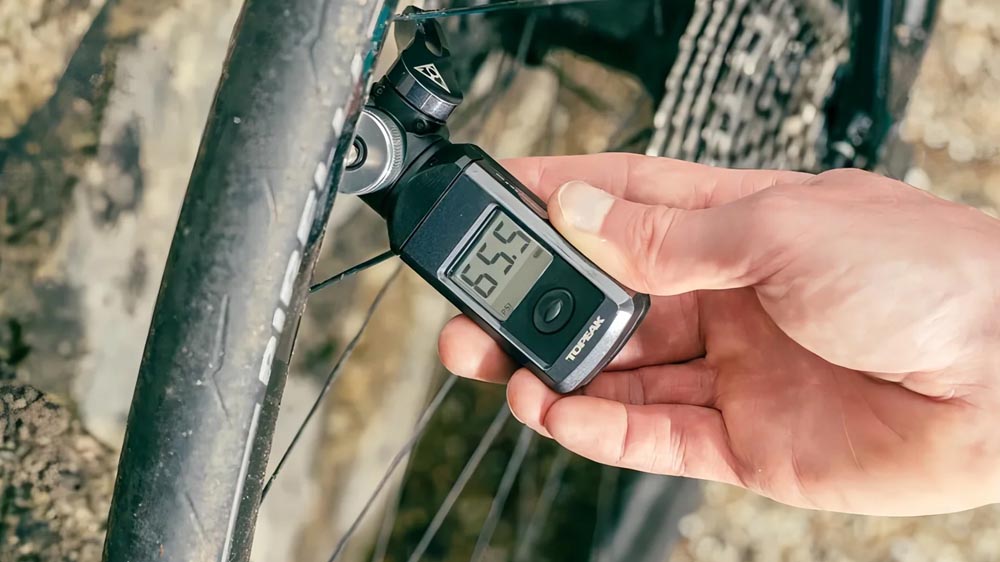 Correct tire pressure directly affects grip, braking performance, and overall control. Tires that are overinflated reduce traction and comfort, while underinflated tires can feel unstable and inefficient.
Tire pressure should be adjusted based on:
- Rider weight
- Tire width
- Road surface conditions
For a detailed breakdown and recommended ranges, refer to the Road Bike Tire Pressure Guide to fine-tune pressure for safer and more confident road cycling.
5. Optimize Your Riding Position
An efficient riding position improves control and awareness on a road bicycle. Proper saddle height, handlebar reach, and body alignment help riders maintain balance and reduce strain on the neck, back, and wrists.
Being able to look over your shoulder smoothly without drifting off line is an important road cycling skill. A stable position allows riders to scan traffic, signal clearly, and respond quickly to changing conditions.
6. Optimize Your Road Bike While Climbing
Climbing safely on a road bike requires smooth power delivery and controlled movement. Maintain a steady cadence, keep the upper body relaxed, and avoid sudden shifts in body position that could disrupt balance.
Using appropriate gearing helps maintain traction and control, especially on steeper climbs. For more advanced techniques, go to Road Bike Hill Climbing Pro Techniques to improve efficiency and stability during climbs.
7. Optimize Your Road Bike While Descending
Descending is where focus and control matter most. Keep weight balanced, eyes looking far ahead, and braking smoothly rather than abruptly. Sudden inputs can unsettle the bike, especially at higher speeds.
Even when riding the best road bikes, controlled speed is safer than chasing maximum velocity. Frame design and braking performance also play a role. For deeper insight, read “Are Carbon Road Bikes Safe?” to understand how modern materials support safe descending.
8. Perform Regular Road Bike Maintenance
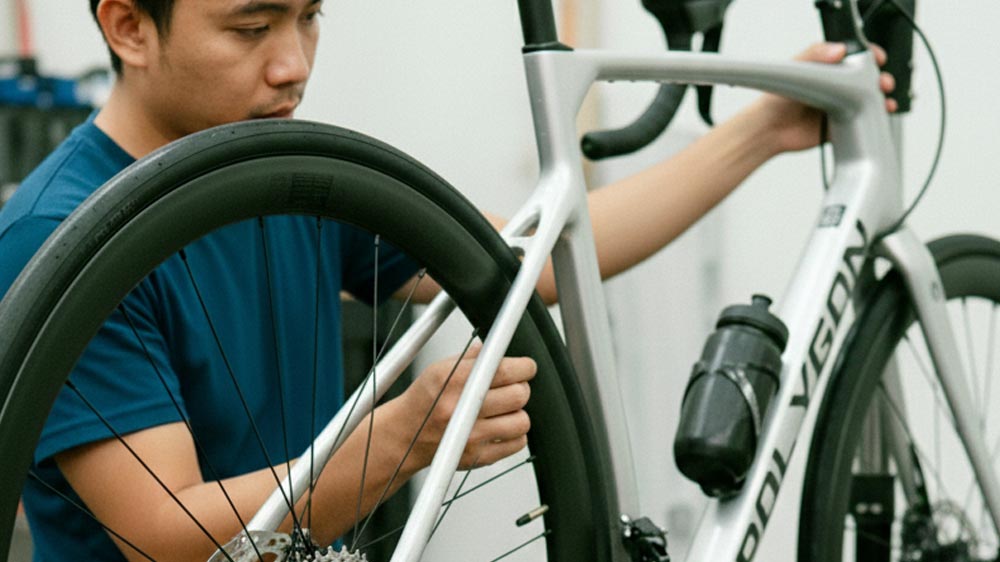 A well-maintained road bike is a safer road bike. Mechanical issues can quickly turn into hazards at speed, so regular checks are essential.
Before each ride, inspect:
- Tire pressure and tread condition
- Brake response and cable tension
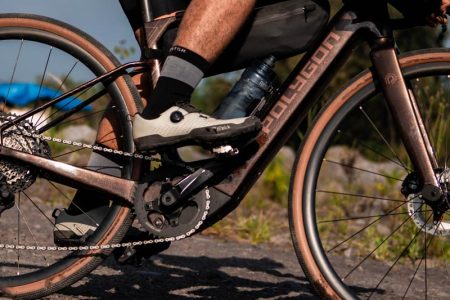
- Chain lubrication and drivetrain function
Routine maintenance keeps road cycling predictable, efficient, and reliable.
Closing Statement
Road cycling safety is not about riding slowly or hesitantly, but it’s about riding with awareness and intention. A properly set up road bike, the right protective gear, and disciplined riding habits all work together to reduce risk. When riders stay visible, predictable, and prepared, road cycling becomes not only safer but also smoother, more confident, and genuinely enjoyable on every ride.