






The short answer: Road bike tires affect speed a lot.
They influence how efficiently your effort turns into forward motion, mainly through rolling resistance and aerodynamic drag. Because tires are the only contact point between a road bike and the pavement, even small differences in tire choice can noticeably change how fast or how effortless a ride feels.
Rolling Resistance: The Silent Speed Killer
Rolling resistance is the energy lost when a tire deforms as it rolls over the road. Every time the tire flattens slightly under load and returns to shape, some energy is absorbed and lost as heat instead of pushing the bike forward.
This resistance is heavily influenced by:
- Rubber compound
- Casing flexibility (often measured in TPI: threads per inch)
- Overall tire construction
High-quality road bike tires use supple casings that flex smoothly over road imperfections instead of bouncing over them. This ability to “absorb” micro-bumps preserves forward momentum. Cheaper or stiffer tires tend to transmit vibration into the bike and rider, which increases energy loss and fatigue.
This is why upgrading tires often feels like a free speed boost; you’re not necessarily producing more power, you’re just wasting less of it.
Tire Width & Pressure: Narrow Isn’t Always Faster
 For years, road cycling followed a simple rule: narrower tires are faster. Modern testing has shown that the reality is more nuanced.
- 23–25mm road bike tires
- Light and responsive
- Require higher pressure
- Can feel harsh on imperfect roads
- 28mm (and even 30mm) tires
- Lower rolling resistance on real-world asphalt
- Better comfort and reduced fatigue
- Often faster outside, perfectly smooth race tarmac
That’s why many professional riders now race on 25–28mm road bike tires instead of ultra-narrow setups.
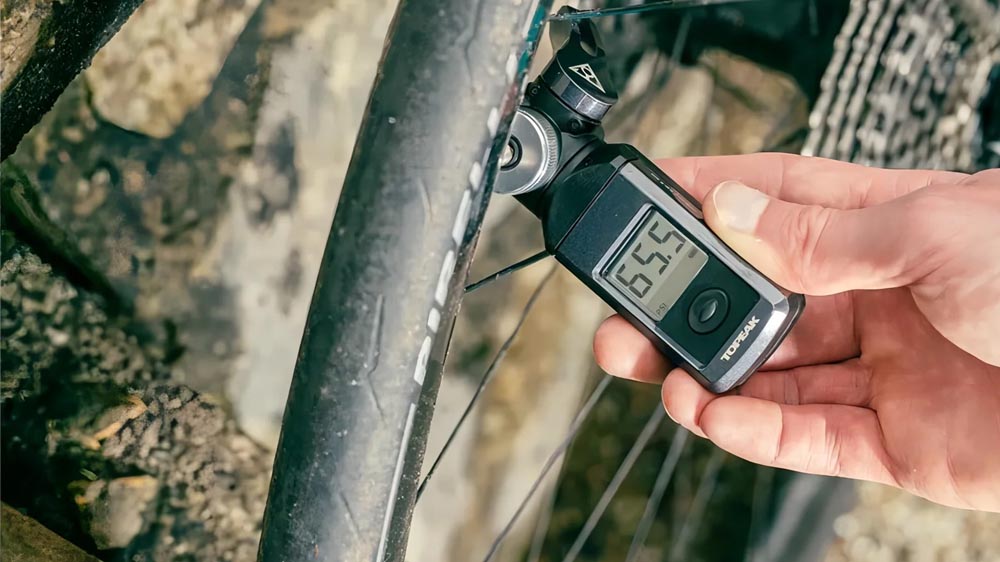
Tire pressure is just as important as width. More pressure does not automatically mean more speed. Overinflated tires tend to bounce on rough roads, losing energy through vibration, a phenomenon known as impedance loss. Optimized pressure improves road contact, reduces vibration, and allows the bike to roll more efficiently.
For specific recommendations based on rider weight, tire size, and riding conditions, refer to the Road Bike Tire Pressure Guide for detailed guidance.
Tire Weight & Rotational Mass
Tires contribute to rotational mass, which directly affects how quickly a road bicycle accelerates, an important factor in the ride feel.
Lighter road bike tires help a road bicycle accelerate faster, feel more responsive during sprints and climbs, and deliver a more “lively” sensation on the road, traits often associated with the best road bikes built for performance.
Heavier, reinforced tires require more effort to spin up but provide increased durability and puncture protection, making them suitable for everyday road bicycle use and rougher road conditions.
At steady cruising speeds, tire weight has a relatively small effect on top speed. However, during frequent speed changes, such as accelerating out of corners, climbing, or sprinting, the benefits of lighter tires become more noticeable. For riders prioritizing speed and responsiveness, reducing weight at the tire has a greater impact than saving the same amount of weight elsewhere on the road bicycle, a principle long applied in the design of the best road bikes.
Aerodynamics: Tires Matter More Than You Think
At higher speeds, aerodynamic drag becomes the primary force slowing a road bike. While rider position dominates aerodynamics, tires still play a role, especially when paired with modern wide rims.
Key factors include:
- Tire width relative to rim width
- Smooth tire–rim integration
- Reduced airflow turbulence
A commonly cited guideline is the 105% rule, where the rim should be at least 105% of the tire’s width to optimize airflow. Poor matching can create a “lightbulb” shape that catches wind and increases drag, even if the tire itself has low rolling resistance.
When chosen correctly, a well-matched rim and road bike tire combination can save real watts at speed.
Looking for Faster Road Bike Tires? Focus On These
If speed is the goal, choose tires that help your road bicycle roll faster with less effort:
- 25–28mm width for the best balance of efficiency and comfort
- High-quality casing (high TPI) to reduce rolling resistance
- Soft, fast rubber compounds that minimize energy loss
- Slick or near-slick tread, since grip on dry tarmac comes from rubber, not tread
- Correct tire pressure matched to rider weight and road conditions
Small upgrades also add up. Switching from standard butyl tubes to latex or TPU options can save 2–5 watts per wheel, making it one of the most cost-effective ways to boost tire performance without changing wheels.
Tire choice is one of the simplest ways to unlock speed on a road bicycle. When width, compound, casing, and pressure work together, tires help the bike roll more efficiently, conserve energy, and maintain pace more easily, qualities consistently found on the best road bikes built for real-world performance.