







Gravel Bike Tire Clearance Explained
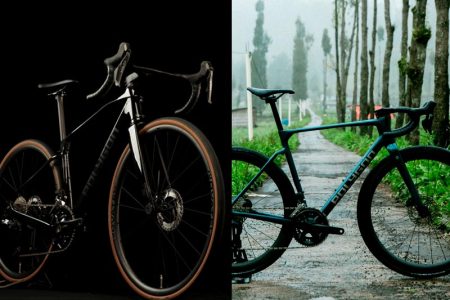
Gravel bike tire clearance defines the maximum tire width a frame and fork can accommodate, typically ranging from 35 mm to over 50 mm, with 40–45 mm considered the modern…
Yes, a carbon gravel bike is worth it for performance-focused riders who want a lightweight frame, smoother ride quality, and reduced fatigue over long distances or fast gravel rides. However,…
Finding the right gravel bike size isn’t always simple, but this guide helps. Choosing the right gravel bike size can feel confusing, especially because gravel bikes sit between road bikes and…
A gravel bike dropper post is generally worth it if you frequently ride steep, technical terrain, loose sections, or chunky trails where quick shifts between climbing and descending positions matter. For smoother,…
A 1x gravel bike drivetrain offers better chain retention, simpler maintenance, and a lighter overall setup, qualities many riders look for in a versatile gravel bicycle. In contrast, a 2x gravel…
700C wheels remain the standard choice for speed and efficiency, especially on smooth and mixed terrain. 650B wheels excel on scenic, bumpy, and more technical routes, where grip and comfort…
Why Gravel Bike Tire Pressure Matters? Gravel riding is all about adaptability. One ride can include smooth asphalt, broken pavement, loose gravel, and uneven dirt, all in a single loop….
Riding across countries, continents, and cultures is more than a dream for many cyclists — it’s a lifestyle. Choosing the best touring bike is one of the most important decisions…
The way your gravel bike feels on the trail starts with one thing: your tires. Speed, grip, comfort, and confidence are all directly affected by your gravel bike tire tread,…