




When it comes to road cycling, tire pressure is often treated as a set-and-forget detail. Pump the tires hard, check that they feel firm, and ride. In reality, road bike tire pressure plays a much bigger role in how a road bike feels, performs, and keeps the rider in control.
The right tire pressure affects rolling efficiency, comfort, grip, and even puncture risk. Too high, and the bike feels harsh, nervous, and less predictable on imperfect roads. Too low, and efficiency drops while the chance of pinch flats or tire damage increases. Finding the right balance is what allows a road bike to ride smoothly, confidently, and efficiently.
As road bikes evolve, tire pressure is no longer about chasing the highest PSI possible. It’s about matching pressure to tire width, rider weight, and real-world riding conditions. Getting this right helps unlock the true potential of a road bike, whether it’s used for training, long rides, or everyday road cycling.
Road Bike Tire Pressure Guide (28mm & 30mm)
Modern road bikes are designed to run wider tires at lower pressures than before. This road bike tire pressure table focuses only on 28mm and 30mm tires, reflecting current road cycling standards for comfort, efficiency, and real-world riding.
28mm Road Bike Tires
| Rider Weight | Front Tire | Rear Tire |
| 50–60 kg | 45-53 psi | 48-55 psi |
| 60–70 kg | 55-60 psi | 58-63 psi |
| 70–80 kg | 60-65 psi | 63-68 psi |
| 80–90 kg | 67–72 psi | 67-77 psi |
30mm Road Bike Tires
| Rider Weight | Front Tire | Rear Tire |
| 50–60 kg | 45–52 psi | 47–54 psi |
| 60–70 kg | 52–57 psi | 55–60 psi |
| 70–80 kg | 57–62 psi | 60–64 psi |
| 80–90 kg | 62–70 psi | 64–72 psi |
Important Notes About Road Bike Tire Pressure
These guidelines are a starting point. Fine-tuning road bike tire pressure depends on several real-world factors.
Rear Tire Usually Runs Higher Pressure
The rear tire supports a larger portion of the rider’s weight. As a rule, the rear tire should run around 3-5 psi higher than the front to maintain balance and stability.
Tubeless vs Inner Tube Setup
Tire construction affects pressure choice:
- Tubeless setups can safely run 5–10 psi lower
- Latex inner tubes usually allow 3–5 psi lower
- Butyl inner tubes work best at the pressures listed in the table
Road Surface Matters
- Rough or broken asphalt → reduce pressure by 3–5 psi
- Smooth tarmac or race conditions → increase pressure by 2–3 psi
Lower pressure helps the tire conform to imperfect surfaces, improving comfort and grip.
Wider Tires Are Not Slower
Running wider tires like 28mm or 30mm at lower pressure often results in:
- Lower rolling resistance on real roads
- Better comfort over long distances
- More grip and control
- Reduced rider fatigue
This is why wider tires have become standard even in professional road racing.
Quick Rule of Thumb
If unsure:
- 28mm tires: around 70–75 psi for an average rider
- 30mm tires: around 60–65 psi for an average rider
From there, adjust in ±5 psi increments until the ride feels balanced and controlled.
Benefits of Optimal Road Bike Tire Pressure
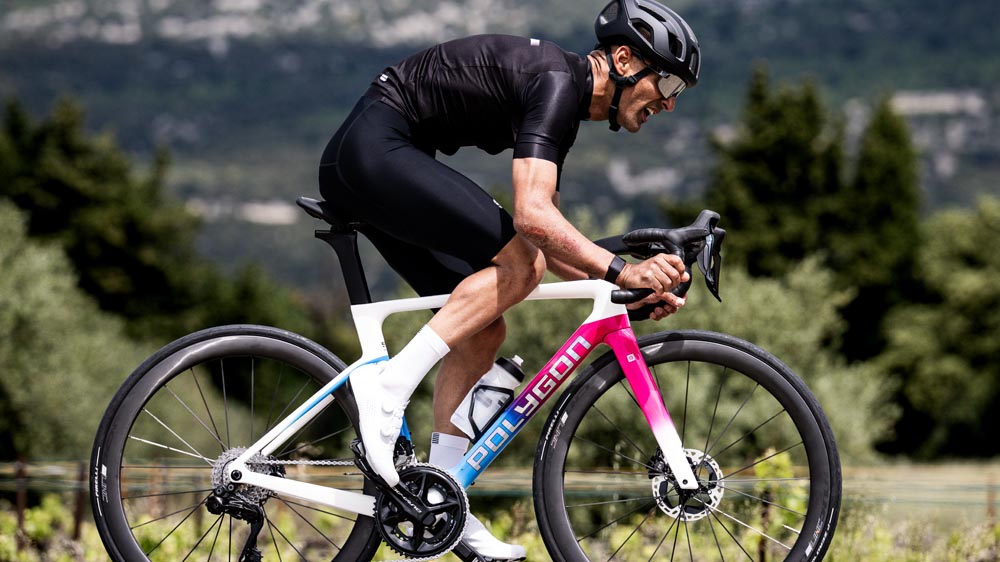 Getting your road bike tire pressure right isn’t just about hitting a number on the pump, it directly influences how the bike feels and performs in real riding situations. When pressure is optimized for your tire width, weight, and conditions, you unlock several tangible benefits on the road.
1. Better Rolling Efficiency
When tires are inflated to the correct pressure range, they deform less as they roll. This reduces energy loss at the contact patch and helps you maintain speed more efficiently. Rather than pumping harder, you go faster with smoother power transfer, especially noticeable on long rides.
If you want smoother, faster road bike rides with less energy wasted, read our guide “How to Increase Road Bike Speed with Less Effort.”
2. Improved Comfort
Too much pressure makes a road bike feel harsh and bouncy, transmitting every road imperfection into your hands and body. Optimal pressure allows the tire to absorb vibrations and small bumps, reducing fatigue over hours in the saddle. Wider tires at appropriate pressure often feel just as fast, but much more comfortable than skinny, rock-hard setups.
3. Enhanced Grip and Control
A tire that’s inflated to its ideal pressure conforms more effectively to the road surface. This increases contact patch stability and traction in corners, descents, and uneven patches of asphalt. Whether you’re carving through a twisty section or riding wet roads, balanced tire pressure improves your control and confidence.
4. Reduced Puncture Risk
Under-inflation increases the risk of “pinch flats,” where the tube or tire gets pinched between rim and road. Over-inflation, on the other hand, can make the tire more vulnerable to cuts and impact damage. Staying within the correct pressure range helps strike a balance between responsiveness and protection.
5. Consistent Brake and Handling Feedback
Tire pressure influences how the bike responds to steering inputs and braking forces. With poor pressure, tires can feel vague or unpredictable. Optimal pressure enhances feedback through the handlebars and saddle, helping you feel connected to the road.
6. Adaptability to Road Conditions
Different roads require different approaches; smooth tarmac, rough chipseal, or pothole-ridden surfaces each demand slightly adjusted pressure. When you understand road bike tire pressure, you can adapt it to suit the conditions instead of guessing, making every ride smoother and safer.
Read also: Gravel Bikes as Road Bike Replacement?
Bottom Line: Why Road Bike Tire Pressure Is Worth Getting Right
Setting the correct road bike tire pressure is one of the simplest ways to improve how a road bike rides, yet it’s often overlooked. With modern road bikes moving toward wider tires like 28mm and 30mm, pressure is no longer about pumping as hard as possible. It’s about balance.
The right pressure helps a road bike roll more efficiently, feel more comfortable over long distances, maintain grip through corners, and stay predictable on imperfect roads. It also reduces fatigue and lowers the risk of punctures, making every ride smoother and more controlled.
Rather than copying old-school PSI habits, riders benefit most by adjusting tire pressure based on tire width, body weight, and road conditions. Small changes can make a noticeable difference, especially on longer rides or rougher surfaces.
Discover Polygon Road Bikes
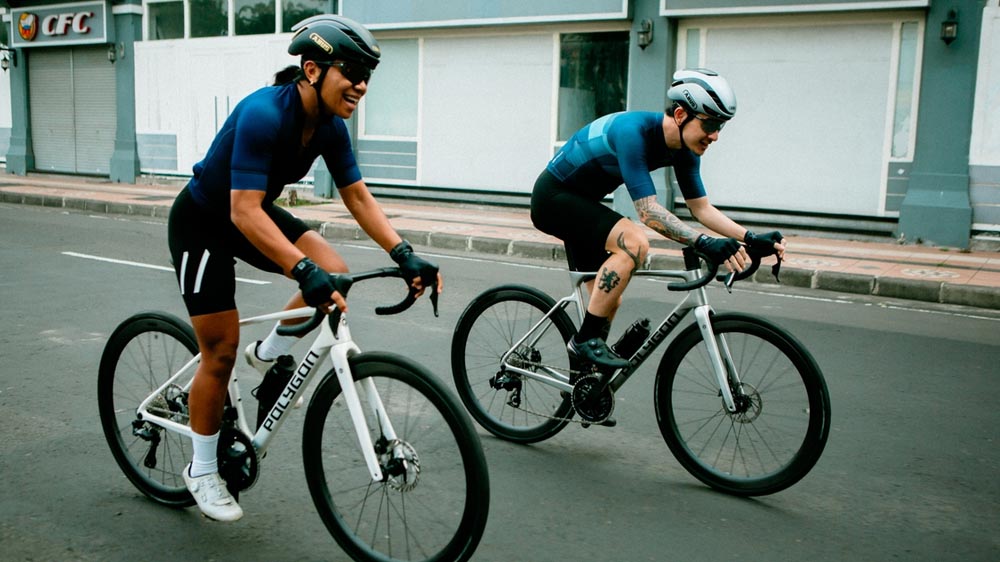 Modern road bicycles are designed around current tire and wheel standards, allowing riders to take full advantage of optimized road bike tire pressure. With frames built to accommodate wider tires and balanced geometry, our road bikes are well suited for riders who value efficiency, comfort, and real-world performance.
Whether it’s for training, long weekend rides, or everyday road cycling, pairing the right tire pressure with a well-designed road bike helps unlock a more confident and enjoyable riding experience.
Other Tire Pressure Guide You Might Need