





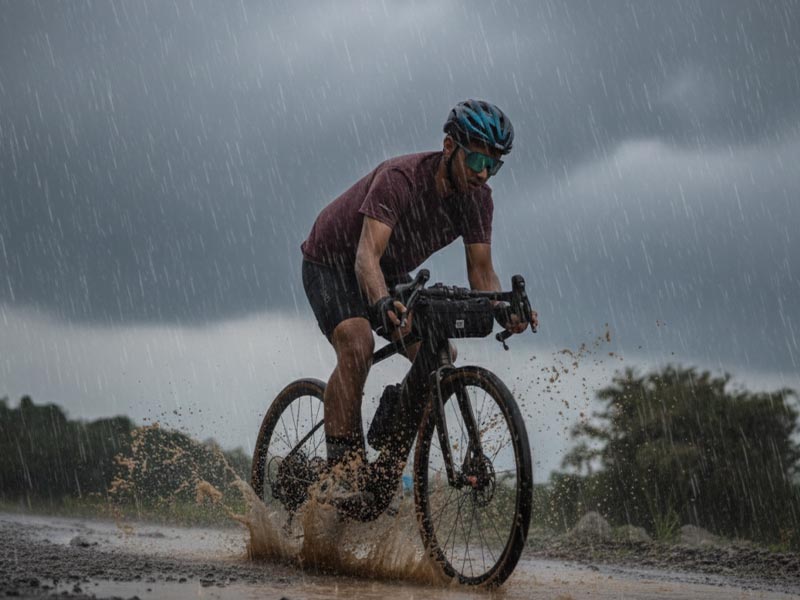
Cycling in the rain doesn’t have to be miserable—or dangerous. For many daily riders, rain is simply part of real life. With the right mindset, the right gear, and a few smart riding techniques, cycling in the rain can feel just as safe and enjoyable as any dry commute.
This guide will help you ride with confidence on wet roads, stay visible to traffic, and protect both yourself and your bike when the weather isn’t perfect.
Why Cycling in the Rain Feels More Difficult (But Doesn’t Have to Be)
Rain changes the way your bike interacts with the road. Wet asphalt reduces tire grip, water creates a thin film that increases stopping distance, and visibility drops for both you and drivers. It’s normal to feel less confident at first.
The goal of safe cycling in the rain isn’t to ride faster or push harder. It’s about smoother control, better anticipation, and smarter preparation.
Visibility: Your First Line of Safety
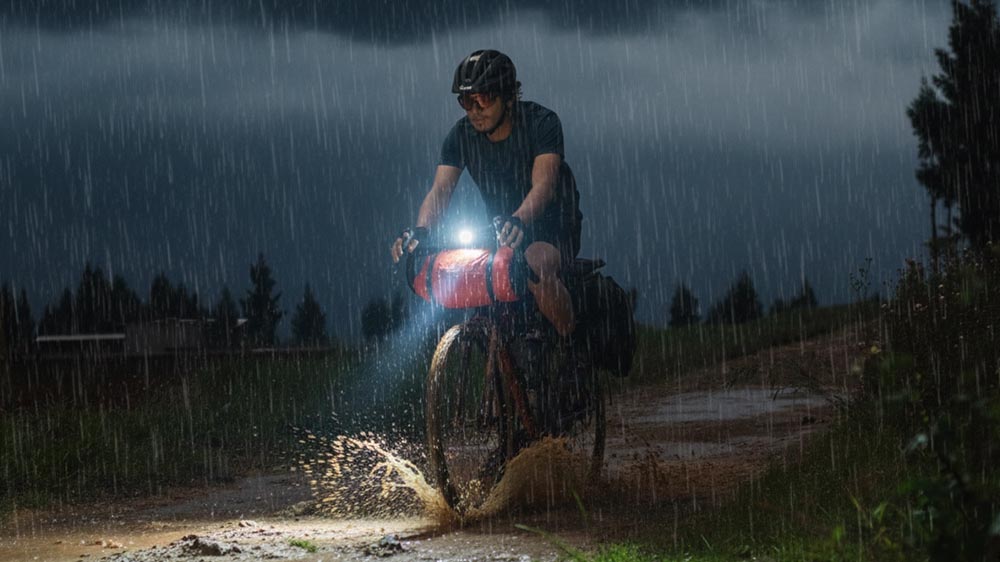 When it’s raining, you’re hard to see. Water on car windshields reduces driver visibility, and dark, cloudy skies lower contrast. That’s why visibility becomes your top priority.
Bright, reflective clothing instantly improves how early drivers notice you. Lights aren’t just for night riding—using front and rear lights during the day in rainy conditions on your commuter bike, like a city bike, dramatically increases your safety.
A steady white front light and a red rear light make you stand out through spray, fog, and window glare.
Many Polygon commuter/city bikes are designed with clean cable routing and mounting points that make it easy to install high-quality lights and accessories for daily cycling in the rain.
Braking Distance: Give Yourself More Time
Wet roads change how brakes behave. Even the best hydraulic disc brakes need more time to slow you down on slippery surfaces.
The key when cycling in the rain is to brake earlier and more gradually. Instead of squeezing the levers hard at the last moment, start slowing down sooner and with controlled pressure. Modulating both brakes together helps maintain stability and prevents wheel lock-ups.
Be especially cautious around painted road markings and metal surfaces like manhole covers, as they become extremely slippery when wet.
Polygon bikes equipped with disc brakes provide consistent stopping power in all weather conditions, giving commuters an added layer of confidence during wet rides.
Waterproof Gear That Actually Makes a Difference
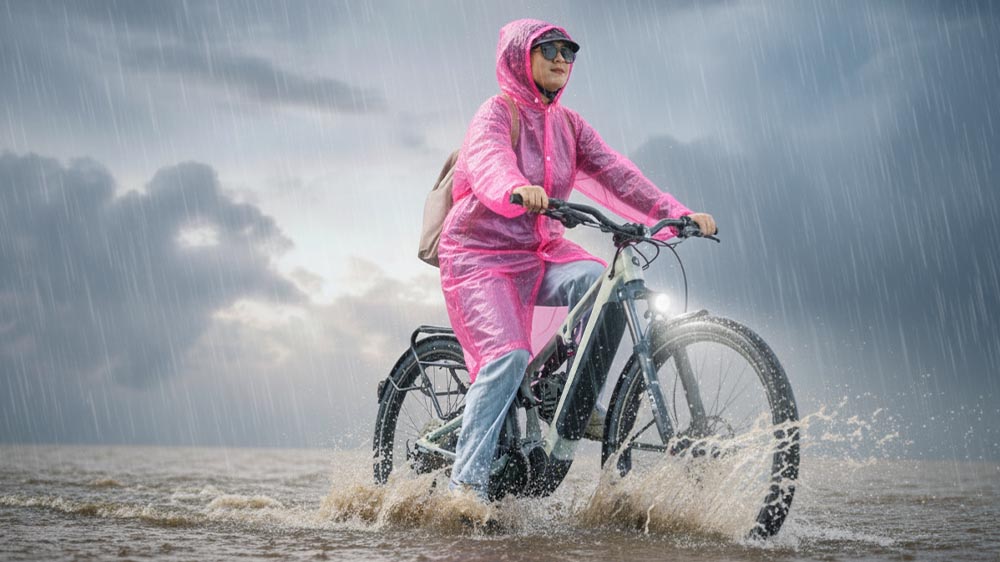 Good gear doesn’t just keep you dry, it keeps you comfortable and focused.
A proper waterproof jacket with breathable membrane keeps rain out while allowing heat to escape, preventing the clammy feeling that causes chills. Waterproof shoe covers or water-resistant cycling shoes help keep your feet warm and improve control on wet pedals.
Fenders are one of the most underrated upgrades for everyday riders. They drastically reduce road spray, keeping your legs, back, and drivetrain cleaner during cycling in the rain. Many Polygon city and hybrid bikes are compatible with full-length fenders, making them ideal for all-weather commuting.
Gloves with water resistance maintain grip on brake levers and handlebars, which is crucial when your hands are wet and cold.
How Bike Design Helps in Rainy Commutes
Not all bikes are equally suited for wet conditions.
Commuter-focused bikes with stable geometry, wider tires, and disc brakes, like city bikes offer better control in the rain. A slightly more upright riding position improves visibility and comfort, allowing you to react faster to changing road conditions.
Polygon’s urban and fitness bikes, such as the Polygon Path city bike series, are built with daily cycling in the rain in mind. Their balanced handling and practical compatibility with racks and fenders make them a dependable choice for real-world commuting.
For riders who want extra support in tough weather, Polygon’s e-bike range adds smooth pedal assistance, helping you maintain steady control even when road conditions are poor.
Maintenance After Riding in the Rain
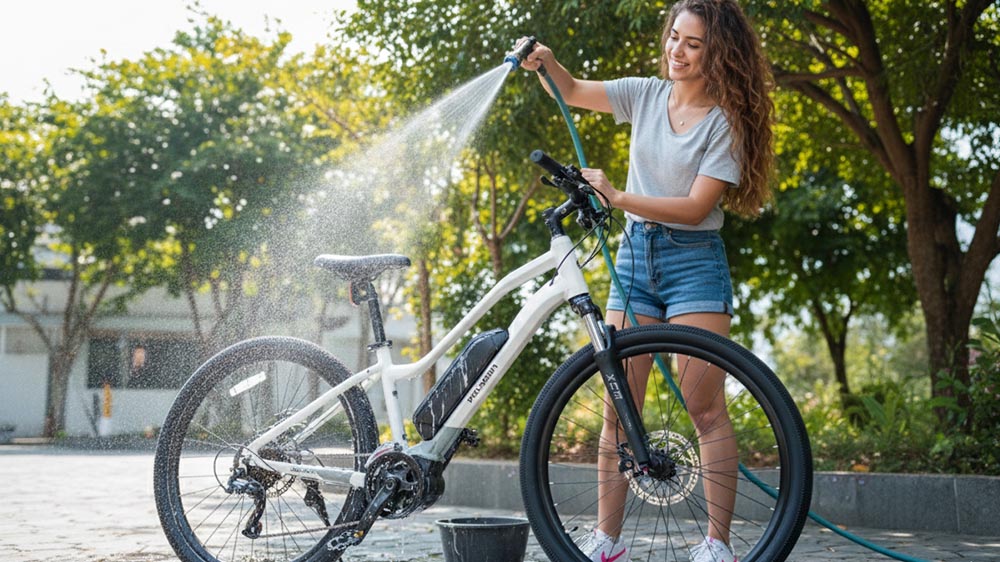 What you do after a wet ride matters just as much as how you ride.
After cycling in the rain, take a moment to wipe down your frame, chain, and key components. This prevents rust and keeps your bike running smoothly. Re-lubricating the chain after wet rides extends drivetrain life and improves shifting performance.
Avoid high-pressure water sprays when cleaning. Gentle wiping and light rinsing are enough to keep your bike healthy.
Read also: Commuter Bike Selection for Urban Areas
Final Thoughts: Ride Smart, Not Fearful
Rain doesn’t have to stop your commute.
With better visibility, smarter braking habits, and proper waterproof gear, cycling in the rain becomes a safe and practical part of your daily routine. Paired with a reliable, commuter-ready bike from Polygon, wet weather turns from a barrier into just another manageable condition.
Cycling every day isn’t about waiting for perfect weather. It’s about being ready for real-world conditions—and riding with confidence through all of them.