




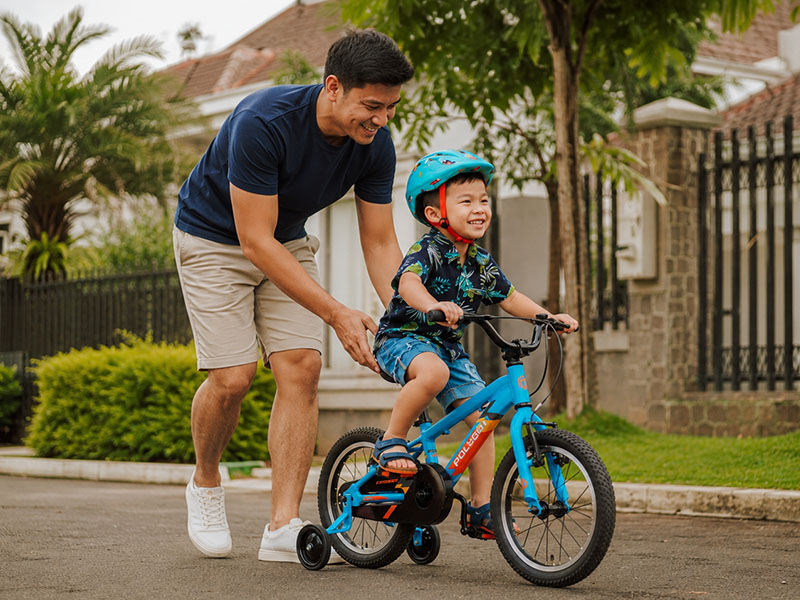
Learning to ride a bicycle is a keystone in a child’s development, not only is it important for motor coordination, strength, and endurance, but it is also a common form of physical activity that builds positive peer relationships and is central to the social and physical lives of most children. A kids bike, in other words, is far more than a toy.
5 Developmental Areas a Kids Bike Unlocks
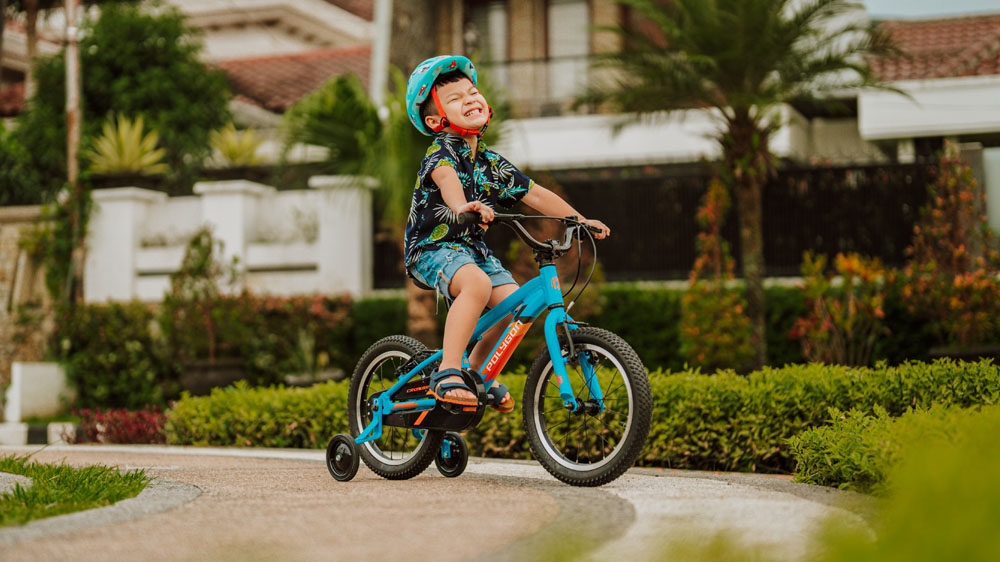
1. Physical development
A bicycle for kids builds the full physical toolkit. Cycling builds leg strength, cardiovascular stamina, balance, and bone density, and the gross motor skills developed through riding transfer directly into other sports and daily physical activities, giving children more success across the board.
2. Cognitive development
As kids navigate turns, slopes, and speed control on their kids bike, they’re problem-solving and making quick decisions in real time, sharpening spatial awareness, focus, and reaction times, all while having fun.
The academic link is real too. Research shows that kids who ride bikes to school arrive more focused than peers who are driven — starting the day with physical activity primes the brain for the learning ahead. Active transport including cycling has also been associated with positive outcomes in academic achievement and cognition.
3. Emotional development
Learning to ride a children’s bike involves falling, trying again, and eventually succeeding — a sequence that matters beyond the skill itself. Biking regularly builds resilience and fosters a positive self-image; children gain confidence as they master balance, coordination, and navigation — experiences that have a lasting impact on emotional and mental development.
4. Social development
Balance bike classes and group riding give children the opportunity to make friends and practice social skills — whether cheering each other on or taking turns, these interactions build cooperation, patience, and teamwork from an early age.
5. Lifelong health habits
The habit of regular physical activity established in childhood often carries into adulthood — children who bike frequently are more likely to stay active throughout life, reducing their risk for chronic diseases and supporting lifelong mental health.
When to Start: The Right Kids Bike at the Right Time
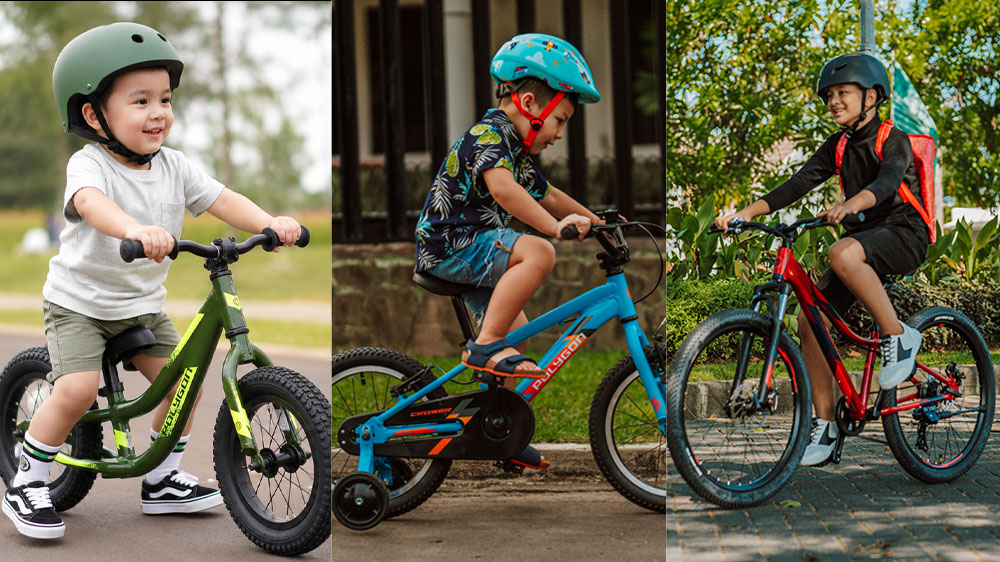
Early childhood, especially between ages 2 and 7, is a prime period for learning new motor skills — the brain’s implicit learning efficiency peaks here and begins to decline around age 12, making it beneficial to introduce a kids bike before this window closes.
The right bicycle for kids depends on where they are in that journey. A balance bike builds the foundation; a first pedal bike translates that balance into independent riding; a geared kids bike develops strategy, endurance, and independence. Each stage unlocks a new layer of the developmental benefits above.
A Milestone That Lasts a Lifetime
Learning to ride a bike is one of childhood’s most memorable milestones. Beyond mastering two wheels, children develop confidence, resilience, independence, and healthy habits that can benefit them for years to come.
At Polygon Bikes, we believe every child deserves a safe, comfortable, and enjoyable first riding experience. By choosing the right kids bike and encouraging regular outdoor adventures, parents can help lay the foundation for a lifelong love of cycling.
Read also: