




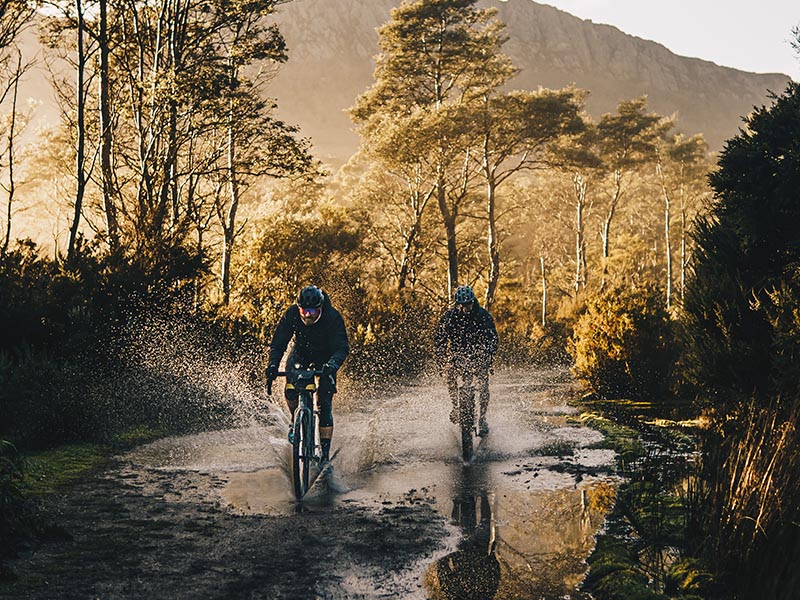
Rain changes everything on the trail — traction, visibility, braking distance, and even how your bike feels under you. If you know what you’re doing, wet rides can be incredibly rewarding. If you don’t, they can be stressful and dangerous.
This guide will show you how to master riding gravel bike in rain conditions through proven braking techniques, smarter body positioning, and the right tire patterns, so you can stay in control even when the trail turns slippery.
Why Wet and Muddy Gravel Riding Feels So Difficult?
Water and mud drastically reduce tire grip and braking efficiency. On gravel bikes, which sit between road and mountain design, this change in terrain can feel dramatic.
When riding gravel bike in rain, your tires don’t “bite” into the ground as aggressively, and sudden movements can break traction instantly. The goal is not to fight the trail, but to ride with it.
Braking Technique: Slow Down Before You Need To
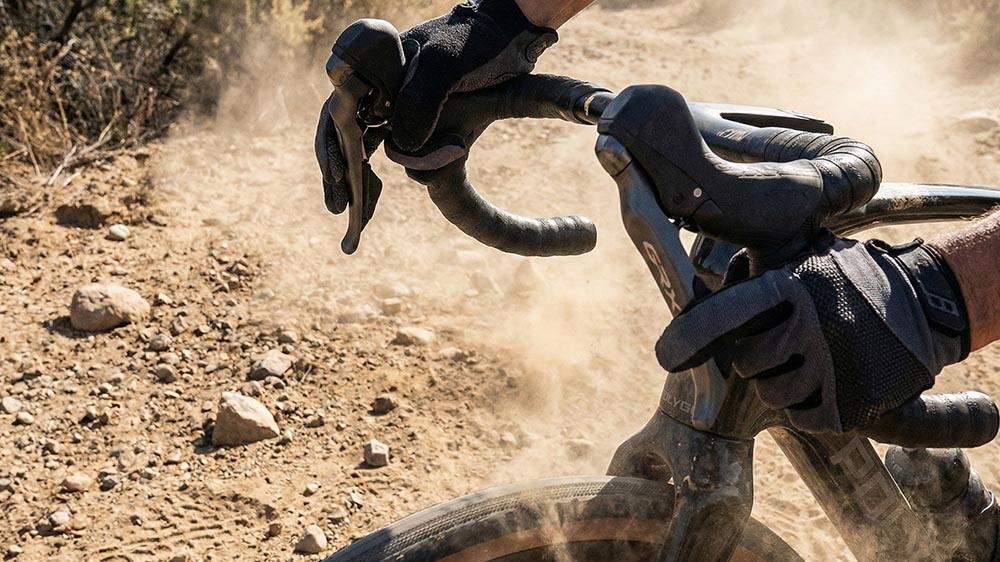 The biggest mistake riders make on wet trails is braking too late and too hard.
When riding gravel bike in rain, braking should be progressive, early, and controlled. Instead of suddenly grabbing the brakes, start feathering them earlier than you think you need. Focus on slowing down before corners, not inside them.
Distribute braking force between front and rear brakes. The front brake still provides most of your stopping power, but pulling it too aggressively on wet surfaces can cause the front wheel to lose grip. Smooth pressure keeps the tires rolling while reducing speed safely.
Polygon gravel bikes are equipped with reliable disc brake systems that perform consistently in wet conditions, giving you more predictable control when traction is limited.
Body Positioning: Ride Light, Loose, and Balanced
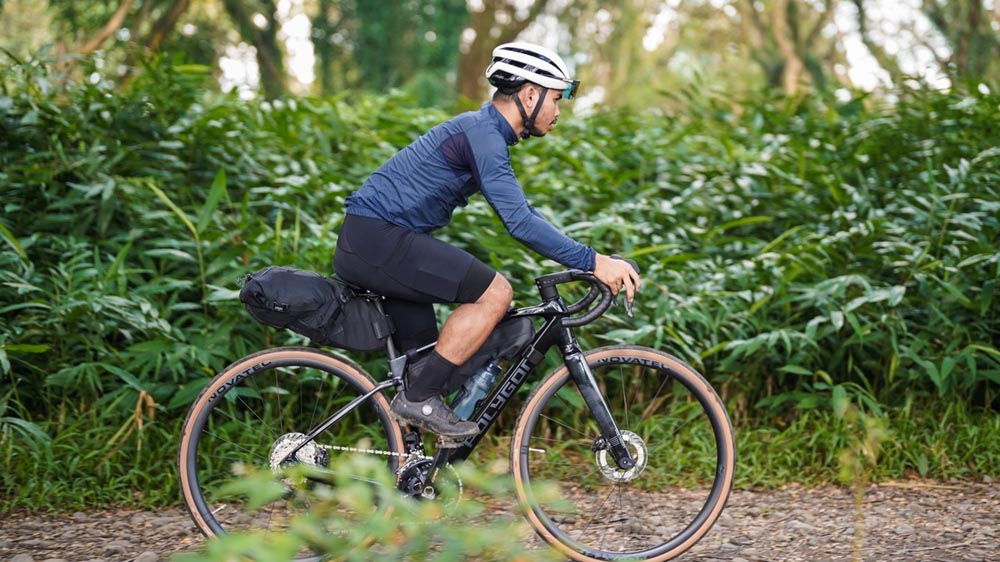 Your body position becomes even more important when the surface is slippery.
When riding gravel bike in rain, keep your body relaxed and responsive. Slightly lower your center of gravity by bending your elbows and knees, and shift your hips subtly toward the rear when descending. This helps maintain rear-wheel traction without unloading the front tire.
Avoid stiff arms and locked joints. A relaxed upper body allows the bike to move under you, which helps the tires track naturally through puddles, wet gravel, and mud.
Look further ahead down the trail rather than directly in front of your wheel. Your bike will follow your eyes, and smoother lines are easier to maintain when traction is unpredictable.
Tire Pattern: Your First Line of Defense Against Slipping
 Tires are the most underrated factor when it comes to riding gravel bike in rain.
The right tread pattern makes a huge difference. Semi-slick center treads roll fast but struggle in mud. For wet and muddy trails, you want tires with more pronounced side knobs and an open tread pattern that sheds mud and maintains grip.
Lowering tire pressure slightly increases the contact patch with the ground, giving you more stability and control. With this adjustment, your bike feels planted rather than skittish.
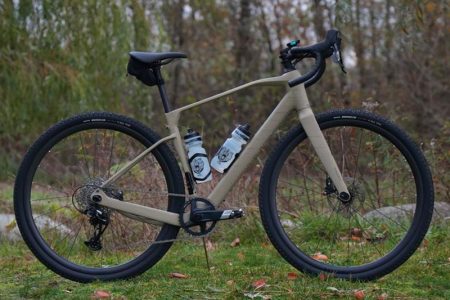
Polygon gravel bikes such as the Bend and Path X series are designed with generous tire clearance, allowing riders to choose more aggressive all-condition gravel tires when riding in wet environments.
For a deeper understanding, explore our guide on how to choose the right gravel bike tires.
Why the Right Bike Makes Wet Riding Safer?
A stable, predictable bike makes all the difference when conditions are slippery.
Polygon gravel platforms are built with balanced geometry and confident handling that help riders stay in control when riding gravel bike in rain. The combination of disc brakes, wide tire compatibility, and stable frame design gives you more confidence when traction is limited.
Models like the Polygon Bend gravel bike series are particularly well suited for wet and muddy adventures thanks to their comfort-focused geometry and adventure-ready design.
Final Thoughts: Confidence Comes from Technique, Not Speed
Wet and muddy rides don’t have to be scary. In fact, they can be some of the most satisfying rides you’ll ever experience.
Mastering riding gravel bike in rain is about respecting the conditions, staying smooth with your inputs, and trusting your setup. Brake early, stay relaxed, choose the right tires, and let the bike move naturally beneath you.
With the right technique and a capable gravel bike from Polygon, you’ll be ready to ride confidently no matter what the weather throws at you.
Read also: Gravel Bikes as Road Bike Replacement?