





Buying an electric gravel bike is about finding the right balance between “stealth” and “utility.” A stealthy setup feels light, nimble, and close to a regular gravel ride, while a utility-focused bike delivers stronger motor support, longer battery range, and extra capability for loaded or hilly routes.
The ideal choice depends on where you ride, how far you plan to go, and how much pedal assistance you want to make your gravel adventures easier and more enjoyable.
Step 1: Know What an Electric Gravel Bike Is
Before comparing models, it helps to understand what an electric gravel bike is designed for.
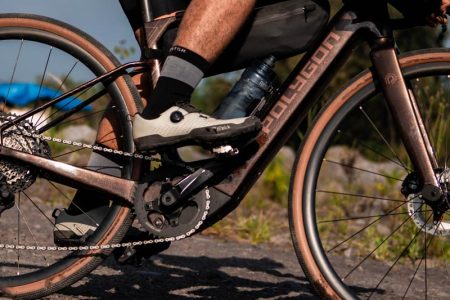
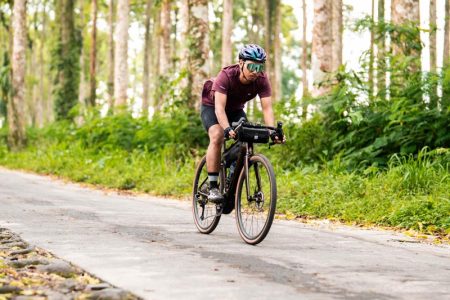
An electric gravel bike combines gravel geometry with pedal-assist support, helping riders manage mixed terrain with less effort on climbs, rough surfaces, and longer distances. It still rides like a gravel bicycle, but with extra assistance when pedaling.
Compared with urban e-bikes, these models use wider tires, more stable handling, and geometry built for surfaces beyond pavement. To understand the basics before choosing a model, it helps to read Electric Gravel Bike 101 first.
Step 2: Understand the Key Features
Motor Type and Power
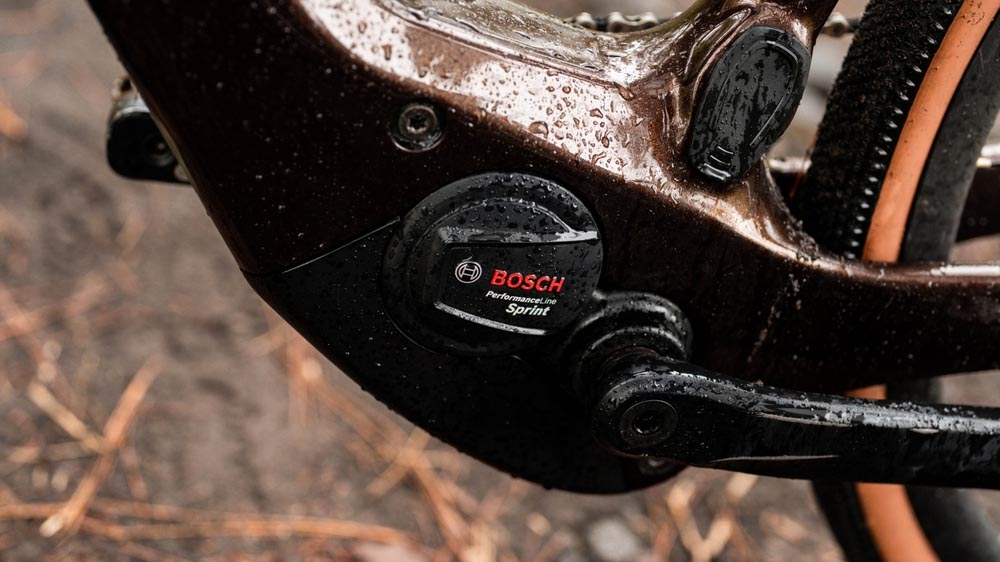 Motor placement changes how an electric bike responds on mixed terrain. Mid-drive motors sit near the crank and usually feel more balanced because assistance follows the drivetrain, which works especially well on climbs.
Hub motors sit in the wheel hub and often appear on simpler or lower-cost systems. For gravel riding, smooth power delivery usually matters more than maximum power because controlled support feels more natural on changing surfaces.
Read also
Battery Capacity
Battery size affects riding range. Larger batteries support longer distances, especially on hilly routes or higher assist settings, but they also add weight. For many riders, moderate capacity paired with efficient assist use often creates the best balance.
Frame and Geometry
Frame design strongly influences comfort and stability. A good gravel bike frame should stay confident on loose terrain while still feeling efficient on smoother roads. Tire clearance also matters, with 38 mm or wider tires often preferred for added grip and comfort.
Components Matter Too
Motor and battery are important, but braking and gearing also shape the ride. Hydraulic disc brakes usually handle extra bike weight better, while a suitable gear range helps the motor work more efficiently across varied terrain.
Step 3: Set Your Budget
Electric gravel bikes cover a wide price range because motor systems, battery integration, and frame materials all influence cost.
Entry-level models can already offer reliable support, but more expensive bikes often feel smoother, lighter, and more refined in how assistance is delivered. In many cases, investing in a better motor and battery system creates more long-term satisfaction than choosing premium components while compromising on assist quality.
It is also worth remembering that battery and motor quality affect long-term ownership more than short-term appearance.
Step 4: Identify Your Riding Style
Buying becomes much easier once you define how you actually plan to ride.
Before choosing a model, ask yourself:
- Will you ride mostly gravel roads, mixed pavement, or rougher terrain?
- Do you want a longer range or stronger climbing support?
- Will you carry bags or gear regularly?
If your rides are long and steady, battery range becomes more important. If your routes involve steep climbs, motor torque matters more. And, if you plan to carry gear for adventure riding or bikepacking, frame stability and motor efficiency under load become especially valuable.
This step often prevents buying a bike that looks impressive on paper but feels mismatched in practice.
Step 5: Research and Compare Models
Before choosing a final model, compare several bikes carefully. Look beyond headline specifications and focus on:
- Motor system reputation
- Battery integration
- Frame material
- Real rider reviews
- Warranty coverage
- Local service support
Warranty and after-sales support matter because motor systems and batteries are long-term components that eventually require maintenance or software support. Owner reviews often help reveal differences in riding feel that spec sheets do not fully explain.
Step 6: Test Ride
 A short test ride often reveals more than a technical comparison. Motor engagement, steering response, and frame fit become obvious once riding begins.
Pay attention to:
- How naturally the assist starts
- Whether the riding position feels comfortable
- How stable does the bike feel when accelerating or climbing
An electric gravel bike should still feel intuitive even with motor assistance. The goal is not simply to feel power, but to feel whether the bike still behaves naturally across changing surfaces.
The best electric gravel bike is usually the one that matches your terrain, distance goals, and preferred riding feel rather than simply offering the highest specifications.
For riders exploring current options, Polygon Tambora AE GX and Polygon Tambora AE GRX stand out as two of Polygon’s strongest electric gravel platforms, combining lightweight carbon construction, gravel-focused geometry, and modern pedal-assist integration for mixed-terrain riding.
Read also: