




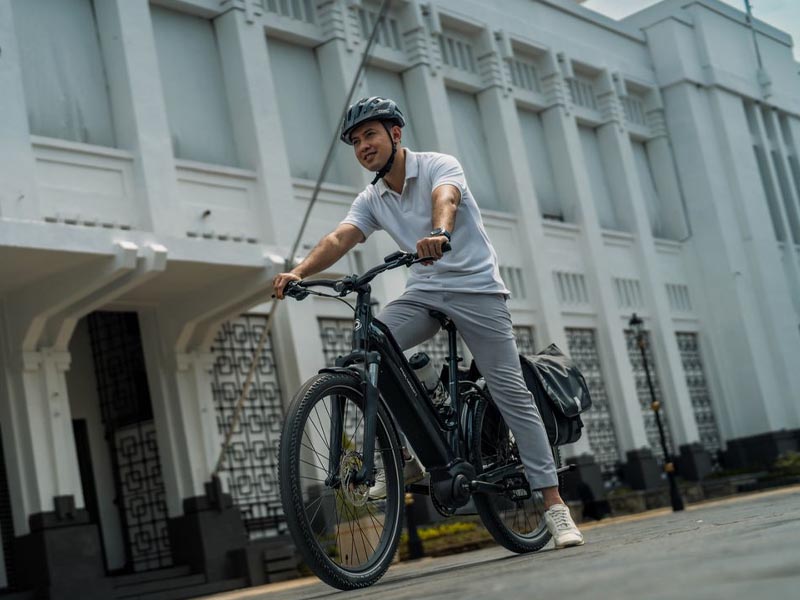
E-bike bikepacking allows riders to cover longer distances, tackle steeper terrain, and carry heavier loads with less fatigue than traditional setups. With the support of an electric bike, multi-day adventures become more accessible and enjoyable.
However, this added capability also requires better planning, particularly in managing battery range, charging opportunities, and overall logistics to ensure a smooth and efficient journey.
Choosing the Right E-Bike for Bikepacking
Not all e-bikes are built for bikepacking. The most important factor is the motor system.
A mid-drive motor is highly recommended because it delivers better efficiency, improved weight distribution, and more natural handling, especially when climbing or riding technical terrain. It also works with your bike’s gearing, which helps extend battery range on long rides.
For bikepacking, frame design matters just as much. Look for enough clearance for wider tires, mounting points for bags or racks, and a geometry that stays stable under load.
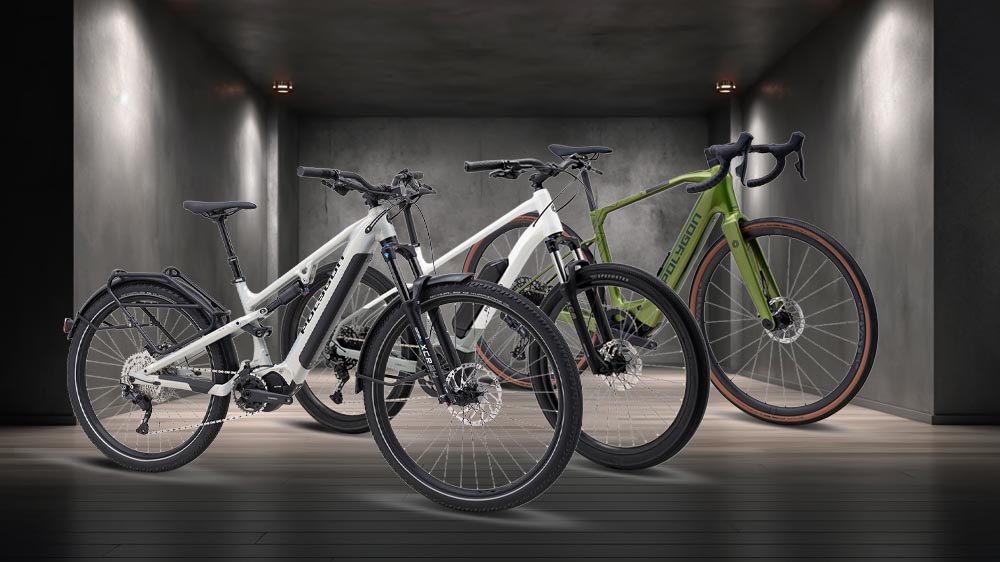
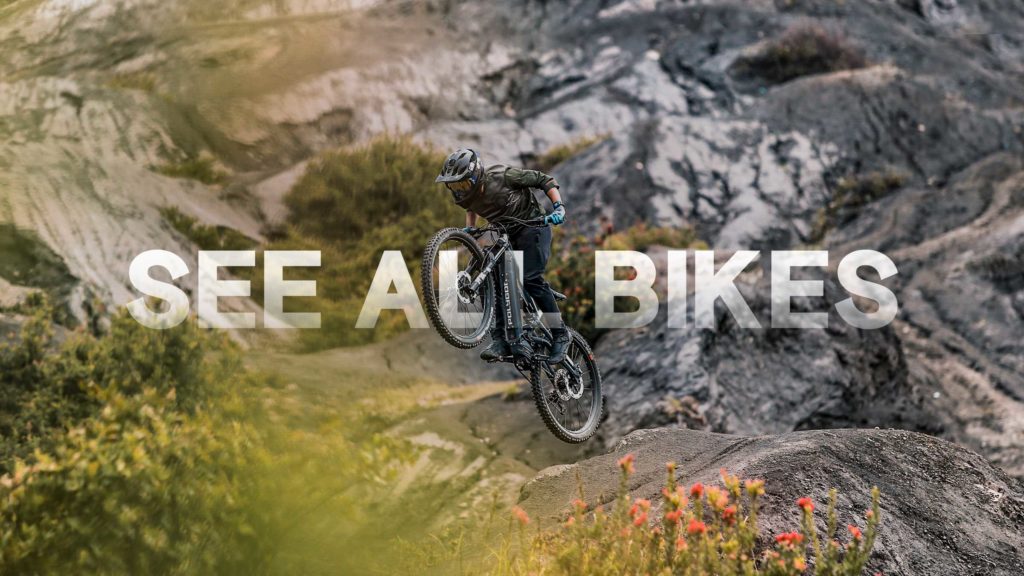
Some strong options from Polygon Bikes include:
- Polygon Tambora AE: Ideal for mixed terrain and long-distance gravel routes
- Polygon Siskiu HE: Better for rough trails and technical off-road adventures
- Polygon Kalosi Lanes: Suitable for lighter touring and urban-to-rural routes
Choosing the right electric bicycle depends on your terrain, but mid-drive systems remain the most versatile for bikepacking.
Route Planning and Range Management
Battery range is the biggest difference between traditional bikepacking and using an e-bike.
In real-world conditions, especially with added gear, expect significantly less range than advertised. A good rule is to assume around 50–70% of the claimed range, depending on terrain and load.
Climbing is the biggest energy drain. Steep elevation can reduce your range quickly, so planning routes with elevation profiles is essential.
A few practical strategies:
- Use lower assist modes (Eco) on flat sections
- Save higher assist for climbs or technical terrain
- Plan routes with known stops (cafés, minimarkets, rest areas)
- Always keep a buffer. don’t ride until your battery is nearly empty
Think of a battery like food or water; it’s part of your survival planning, not just performance.
Charging in the Wild
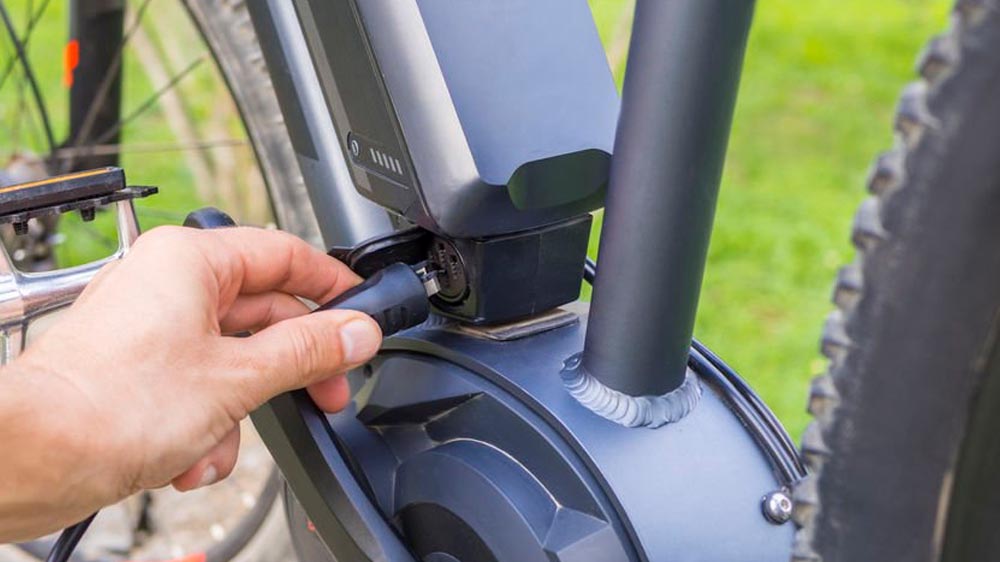
Charging is where e-bike bikepacking becomes more strategic.
The most reliable method is opportunistic charging. Anytime you stop somewhere with power, like cafés, campsites, or accommodations, use it. Even short charging sessions can make a big difference.
For more remote routes:
- Spare battery: The simplest way to double your range, but it adds weight
- Portable power station: Works, but only practical for supported trips
- Solar panels: Generally too slow for main battery charging, better for small devices
If you’re riding in cold conditions, keep the battery warm overnight. Low temperatures can reduce efficiency significantly.
Read also: Removable E-Bike Battery: Is It Better?
Gear Packing and Cargo Setup
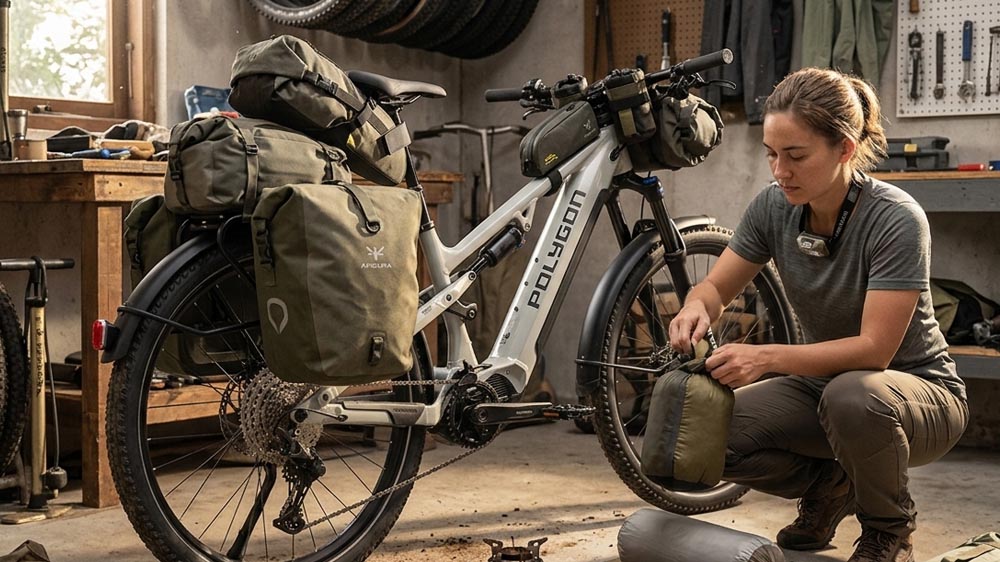
Bikepacking with an electric bicycle requires slightly different packing strategies because the motor and battery take up space, especially in the frame triangle.
Instead of relying only on frame bags, many riders combine:
- Saddle bags for lightweight gear
- Handlebar rolls for bulky items (sleeping system)
- Frame bags (if space allows)
- Rear racks or panniers for heavier loads
Weight distribution becomes more important with an e-bike. Keep heavy items like tools, water, and batteries low and centered to maintain stability.
Also consider the total system weight. A fully loaded e-bike can exceed 25–30 kg, so components like brakes and tires need to handle the extra load. Hydraulic disc brakes and reinforced tires are strongly recommended.
Pro Tips for the Trail
Riding an e-bike on a multi-day trip requires a slightly different approach. These small habits can make a big difference:
- Use assist modes wisely: Stay in low assist (Eco) whenever possible and save higher modes for climbs or technical sections.
- Learn the walk assist feature: Pushing a loaded electric bike uphill is tough; walk assist helps conserve energy off the saddle.
- Manage battery temperature: Keep your battery warm in cold conditions by storing it inside your tent or sleeping bag.
- Ride smoothly and consistently: Avoid sudden acceleration. A steady pace improves efficiency and extends range.
- Plan short charging opportunities: Even quick stops at cafés or rest points can significantly boost your battery.
- Monitor battery levels regularly: Don’t wait until it’s low, but you can adjust your riding strategy early to avoid range anxiety.
Final Thoughts
E-bike bikepacking is not just about going faster, but it’s about going further, carrying more, and expanding where you can ride. With the right electric bike, smart route planning, and proper battery management, you can turn challenging multi-day routes into realistic and enjoyable adventures.
The key is simple: treat your battery like a limited resource, plan, and ride efficiently. Do that, and an e-bike becomes one of the most capable tools for modern bikepacking.
Read also: