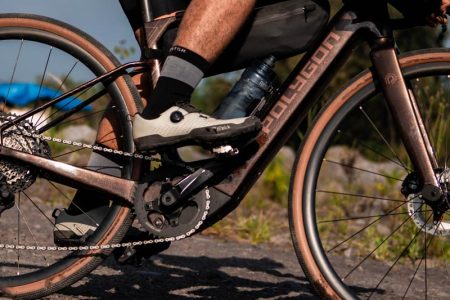






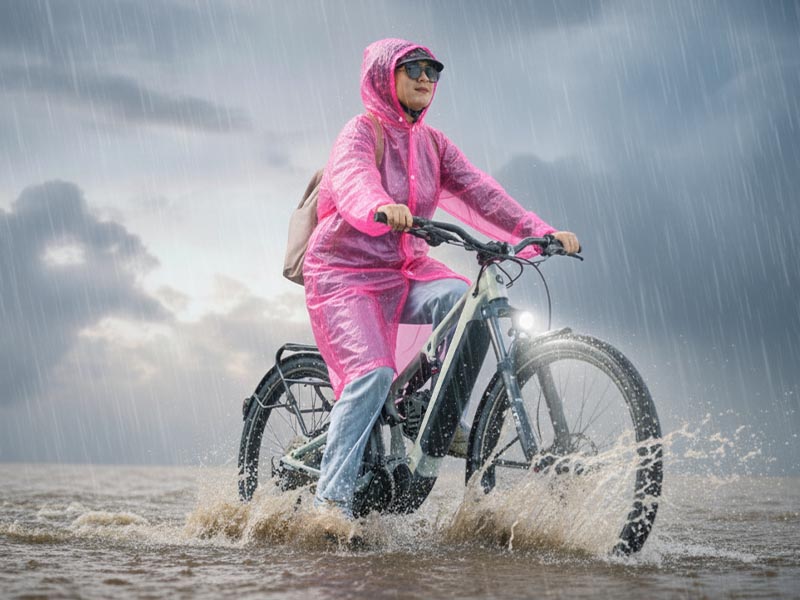
Riding in the rain doesn’t have to stop your commute or weekend plans. One of the most common concerns among new electric bike riders is whether riding e-bike in rain is actually safe.
The short answer is yes, modern e-bikes are designed to handle wet weather. But only when you understand how the electrical system, battery, and components are built to perform in these conditions.
This guide will help you ride confidently through rain, protect your e-bike, and avoid the most common water-related mistakes.
Are E-Bikes Really Waterproof?
Most quality e-bikes are not “waterproof” in the absolute sense, but they are highly water-resistant. This protection is measured through IP (Ingress Protection) ratings, which indicate how well the electrical components are sealed against water and dust.
Motors, batteries, and controllers on premium e-bikes are designed to withstand rain, splashes, and wet roads. The key difference is that they are built for normal wet riding, not full submersion or prolonged water exposure.
When riding e-bike in rain, light to moderate rainfall is generally safe. Extreme flooding or deep standing water is still something you should avoid, just like with traditional bicycles.
Polygon e-bikes are engineered with sealed wiring systems and integrated battery designs that prioritize durability in real-world riding conditions. This gives riders peace of mind when caught in unexpected weather.
Battery Safety When Riding E-Bike in Rain
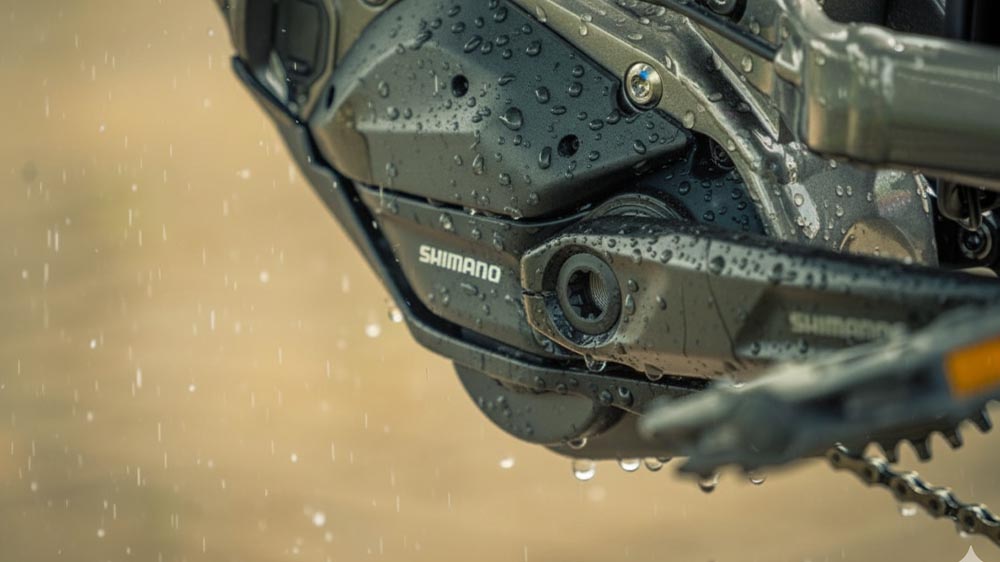 Your battery is the heart of your e-bike, and it’s protected by multiple sealing layers. Modern lithium-ion batteries are enclosed in water-resistant casings and are positioned in areas that reduce direct water exposure.
When riding e-bike in rain, the biggest risk isn’t the rain itself, but improper handling before or after the ride. As long as the battery compartment is properly closed and undamaged, rainwater won’t harm the system.
Avoid removing the battery while it’s wet and never charge it immediately after a soaking ride. Let the battery dry naturally at room temperature before connecting it to a charger. This simple habit dramatically improves both safety and battery lifespan.
Polygon electric bikes integrate batteries directly into the frame to protect them from external moisture while maintaining a clean and aerodynamic design.
How Rain Changes Your Riding Experience
Wet conditions change how your electric bike behaves on the road. Braking distances increase, traction decreases, and visibility can be reduced.
When riding e-bike in rain, smoother and more controlled inputs make a huge difference. Gentle acceleration prevents rear wheel slip, and progressive braking helps maintain stability. Corners should be taken slightly wider and slower because wet pavement can dramatically reduce tire grip.
The extra weight of an electric bike actually becomes an advantage in the rain, adding stability and helping the tires maintain contact with the road when conditions get slippery.
Post-Ride Care: What to Do After Riding in the Rain
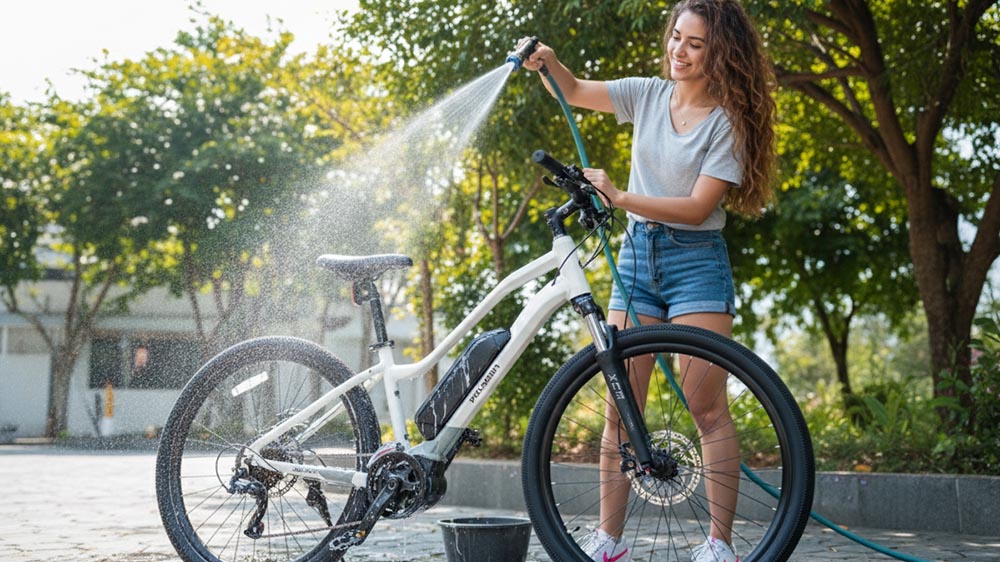 Proper maintenance after wet rides is the secret to keeping your electric bike performing like new.
Once you finish riding e-bike in rain, gently wipe down the frame, battery area, and motor housing with a dry cloth. This prevents moisture from lingering around seals and connectors. Chains and drivetrains should be lightly cleaned and relubricated to avoid rust and premature wear.
Avoid high-pressure water sprays when cleaning your bike. Strong water jets can force moisture into sealed areas that are designed only for rain-level exposure, not pressure washing.
Polygon bikes are built with long-term durability in mind, but consistent after-ride care ensures your investment stays reliable for years.
Polygon E-Bikes Built for Real-World Weather
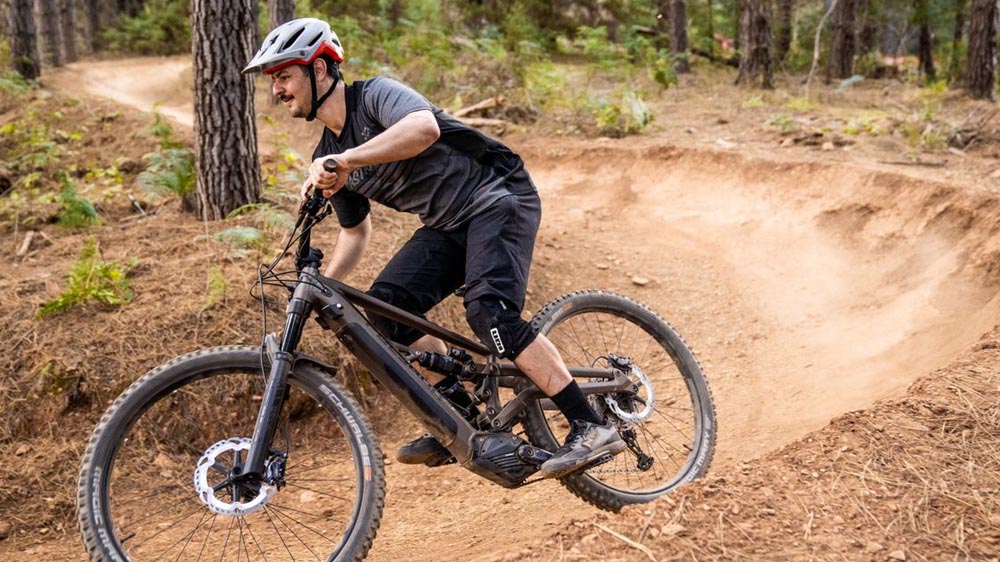 If you regularly ride in changing weather, choosing the right electric bike matters. Models like the Polygon Collosus NE are built for demanding outdoor conditions, while Polygon’s commuter-focused electric bikes are designed for urban riders who experience daily rain exposure.
These bikes combine sealed electronics, strong frame protection, and balanced weight distribution that help riders stay confident when riding e-bike in rain.
If you’re exploring electric bikes for the first time, our “Electric Bike Guide 101” is a great place to start.
Final Thoughts: Ride Smart, Ride Confident
Rain doesn’t have to end your ride — it just changes how you ride.
Riding e-bike in rain is completely safe when you understand how your bike is built and how to care for it. With modern e-bike technology from Polygon and smart riding habits, wet weather becomes just another part of the adventure, not a limitation.
When you’re prepared, you don’t need to wait for perfect weather to ride.
Read also: Electric Bike Riding Guide for Beginners