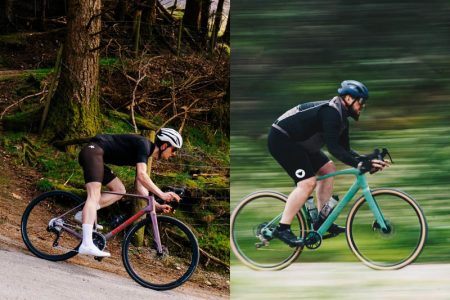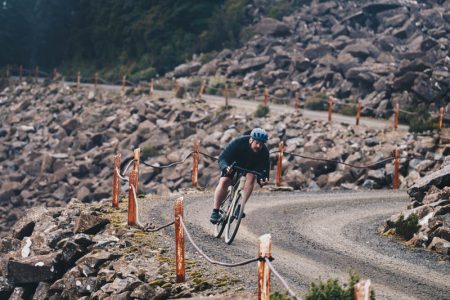





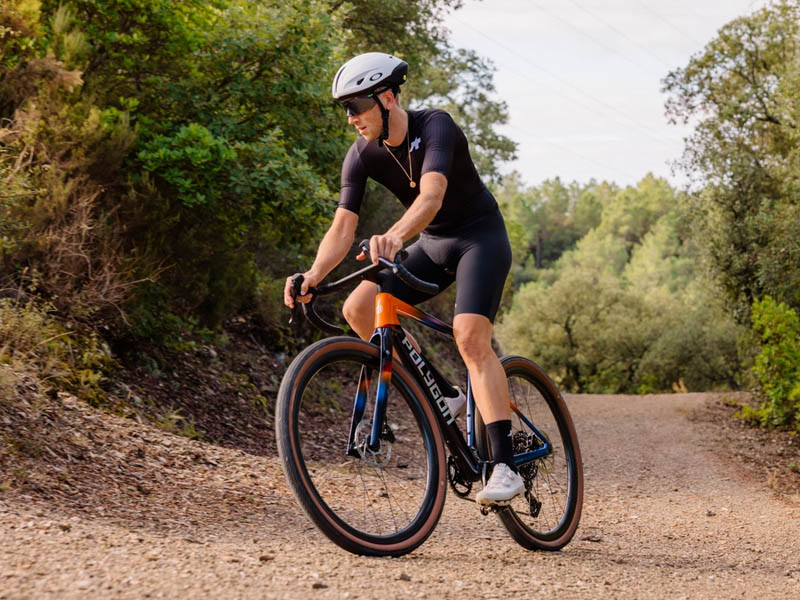
Road cycling fitness gives you a major advantage when you start gravel riding, whether you’re transitioning from a road bike to a gravel bike or simply exploring gravel roads on your current bike.
The endurance, climbing strength, pacing, and fueling habits you’ve developed on the road transfer well to gravel roads and mixed terrain. What doesn’t transfer automatically is handling. Riding confidently on loose surfaces requires skills that road cycling alone doesn’t teach.
What Road Cycling Fitness Brings to Gravel Riding
Aerobic Endurance Transfers Almost Completely
Long road rides prepare your cardiovascular system for long days on gravel. If you’re already comfortable riding two to five hours on the road, you’ll likely adapt quickly to endurance gravel rides.
The ability to ride steadily below threshold, manage fatigue, and maintain a consistent effort is just as valuable on gravel roads as it is on pavement.
Climbing Strength Still Matters
Whether you’re riding an endurance road bike or a gravel bike, climbing relies on many of the same physiological qualities:
- Power-to-weight ratio
- Muscular endurance
- Cardiovascular fitness
- Pacing discipline
Road cyclists often discover they can immediately handle gravel climbs from a fitness perspective.
Pacing and Fueling Habits Carry Over
Gravel events and adventure rides frequently last longer than typical road rides. Riders who already understand carbohydrate intake, hydration, pacing, and effort management start with a significant advantage.
Skills such as:
- Eating before you’re hungry
- Drinking before you’re thirsty
- Avoiding early overexertion
remain equally important.
Don’t Compare Speed Across Surfaces
One mistake many road cyclists make is comparing average speed. Riders transitioning from a road bike to a gravel bike are often surprised by how much surface conditions affect speed, even when effort remains the same.
The same effort may produce very different speeds depending on:
- Surface quality
- Gravel depth
- Tire setup
- Wind exposure
- Elevation
- Weather conditions
A lower average speed on gravel does not mean you’ve lost fitness.
Instead, compare rides by:
- Heart rate
- Power output
- Rate of perceived exertion (RPE)
rather than speed.
What Doesn’t Automatically Transfer to Gravel Cycling
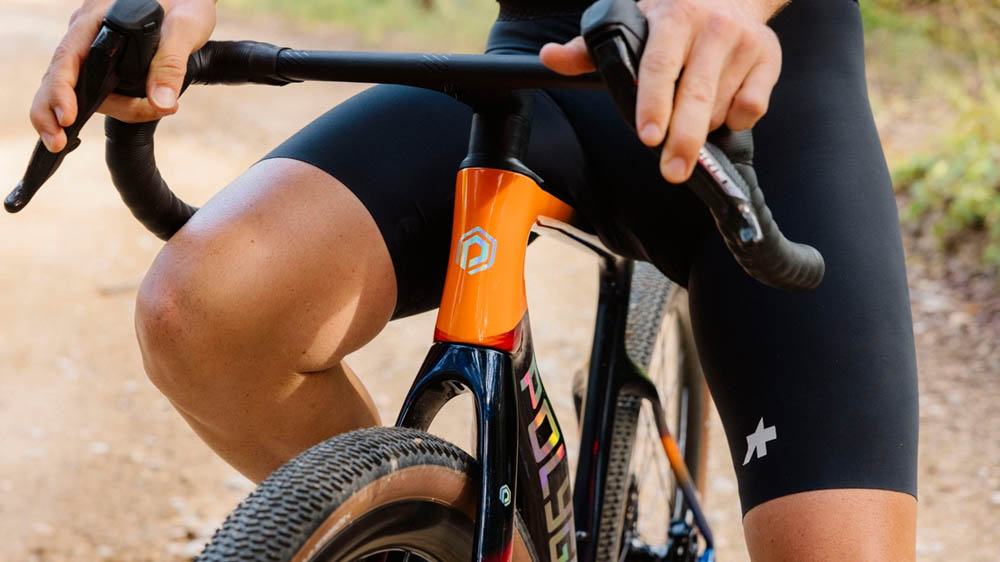
Fitness can get you to the challenging sections. Skill is what helps you ride through them smoothly.
1. Braking Technique
On asphalt, riders can brake aggressively with predictable traction. Gravel often behaves differently.
On loose surfaces:
- Apply both brakes smoothly
- Avoid grabbing a handful of front brake
- Reduce speed before rough sections
- Stay relaxed when the bike moves underneath you
One of the most common beginner mistakes is braking deep into a loose corner instead of slowing beforehand.
2. Cornering on Loose Gravel
Road cornering rewards precision. Gravel cornering rewards adaptability.
Focus on:
- Looking through the turn
- Choosing a clean line early
- Avoiding deep or loose gravel patches
- Maintaining smooth steering inputs
The bike may move slightly beneath you. This is normal and becomes easier with practice.
3. Traction Management on Climbs
Steep gravel climbs require smoother power delivery than pavement.
Road riders often stand and accelerate while climbing. On loose gravel, that can cause rear-wheel slip.
Instead:
- Stay seated when possible
- Shift earlier
- Maintain a steady cadence
- Apply power smoothly
Traction is often more important than raw power.
4. Position Changes and Bike Movement
Road cycling often allows riders to stay in a relatively fixed position.
Gravel riding requires more movement:
- Shifting weight on climbs and descents
- Absorbing bumps through your arms and legs
- Adjusting posture as terrain changes
As terrain becomes more technical, adaptability becomes increasingly important.
5. Descending Confidence
Many road cyclists find descending on a gravel bike more intimidating than descending on a road bike, especially on loose or uneven surfaces.
Challenges include:
- Reduced traction
- Loose corners
- Washboard surfaces
- Variable terrain
Building confidence takes repetition. Start on smooth hardpack before progressing to rougher routes.
What Skills Transfer From Road Cycling?
| Skill | Transfers? |
| Aerobic endurance | Yes |
| Climbing fitness | Yes |
| Threshold power | Yes |
| Pacing and fueling | Yes |
| Braking technique | Needs practice |
| Cornering on loose gravel | Needs practice |
| Line choice | Needs practice |
| Traction management | Needs practice |
| Gravel descending | Needs practice |
How to Adapt Your Road Training?
You don’t need to overhaul your training plan. Keep your endurance rides, intervals, and climbing workouts. They remain effective preparation for gravel riding.
Instead, add regular skill practice. Start on smooth hardpack gravel or easy mixed-terrain routes, then gradually progress to looser surfaces. Focus on braking smoothly before corners, maintaining traction on climbs, and becoming comfortable with the bike moving slightly beneath you.
Using perceived effort can also help. Gravel conditions change constantly, making speed an unreliable measure of fitness. Judging rides by effort rather than average speed provides a more accurate picture of performance.
The Bottom Line
Road cycling fitness transfers exceptionally well to gravel riding. Your endurance, climbing ability, pacing, and fueling habits remain valuable assets. The biggest learning curve isn’t fitness, it’s handling.
Start on predictable gravel roads, focus on braking and cornering skills, and judge performance by effort rather than speed. As your routes become more demanding, a gravel bike can provide the comfort, traction, and stability needed to expand where and how you ride.
Read also: