


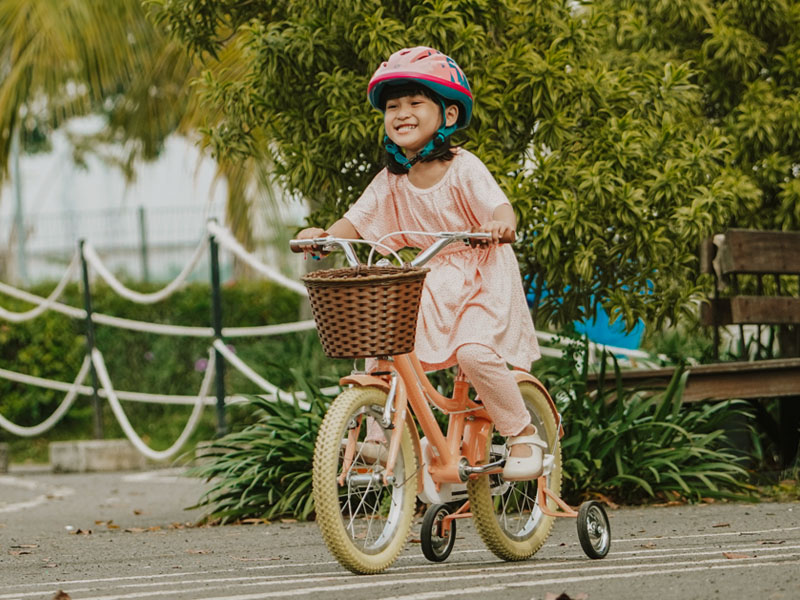
Children learn to ride kids bike faster when it feels like play because play removes the fear of failure, lowers stress, and keeps the brain highly engaged. By focusing on natural balance and exploration rather than rigid training, kids master the mechanics intuitively and build confidence
This isn’t magic. It’s developmental science. Research like the American Academy of Pediatrics (play and child development) shows that play-based learning approaches yield better results for skill acquisition than traditional methods — integrating play with structured learning fosters deeper understanding and retention of knowledge.
For kids learning to ride a bicycle, this changes everything about how we should think about teaching.
Why Play Works: The Implicit Learning Advantage
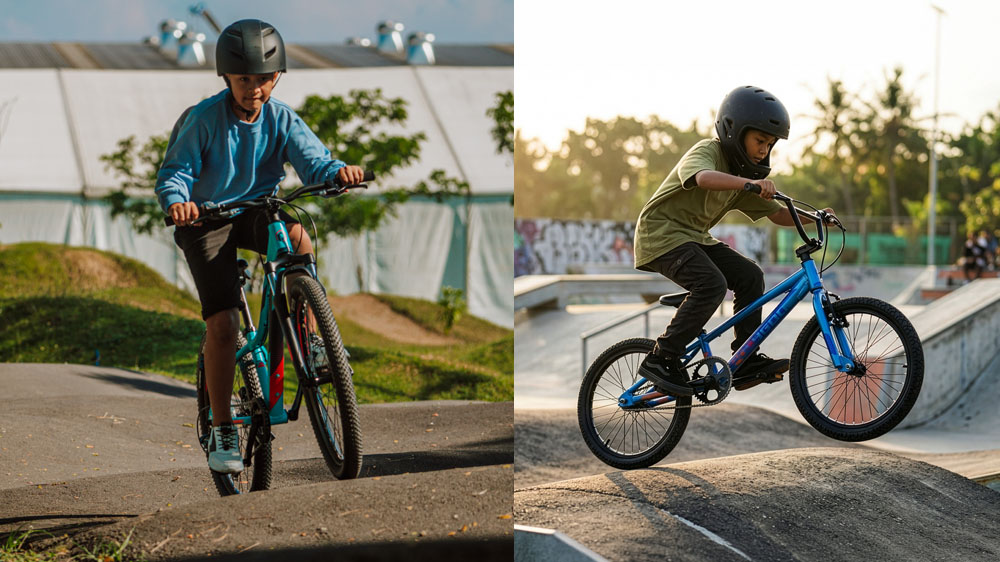
The mechanism behind play-based motor learning is implicit learning — the brain’s ability to absorb movement patterns without conscious effort. Kids who are more motivated are more likely to engage in physical activity, which directly helps them improve their motor skills — and motivation, in early childhood, is almost entirely driven by enjoyment and play.
Structured play activities specifically improve problem-solving skills, memory retention, attention span, and emotional regulation — and social interactions during play contribute to better communication and cooperation.
This is why a kids bike course disguised as an obstacle game teaches more in fifteen minutes than twenty minutes of standing drills. The child’s brain is fully engaged because the stakes feel real — even if the stakes are just “don’t knock over the cone.”
Play vs. Training
| Play-Based Learning | Traditional Training |
| Fun and self-directed | Highly structured |
| Encourages exploration | Focuses on correcting mistakes |
| Builds confidence naturally | May create pressure |
| Children practice longer | Kids may lose interest sooner |
| Learning feels like a game | Learning feels like a lesson |
For many children, the best cycling lessons happen when they don’t even realize they’re learning.
Making It Work: Play Signals to Watch For
Progress on a bicycle for kids doesn’t always look like progress. A child who seems to be “just messing around” on their balance bike — lifting their feet, leaning into turns, gliding faster than they did last week — is actively developing the core balance and coordination that will carry them straight to independent pedalling.
Guided play — where a parent or educator structures the environment and subtly incorporates learning targets without making the child feel directed — appears to be more influential in skill acquisition than free play alone.
In practice, this means: set up the cone course, suggest the race, plan the adventure ride. Then step back and let them play.
Fun Cycling Games That Build Skills
Instead of formal drills, try activities that naturally develop cycling skills.
| Activity | Skills Developed |
| Follow the Leader | Steering and bike control |
| Treasure Hunt | Observation and confidence |
| Slow Riding Challenge | Balance and coordination |
| Cone Weaving | Turning and handling |
| Family Adventure Ride | Endurance and enjoyment |
These simple games help children improve while keeping cycling exciting.
Frequently Asked Questions
Is play really better than formal cycling lessons?
For many beginners, yes. Young children often develop balance and coordination more effectively through playful exploration combined with gentle guidance.
How often should kids practice riding?
Short, frequent sessions are generally more effective than occasional long practices. Even 15 minutes of enjoyable riding several times a week can lead to steady improvement.
Does the right bike make learning easier?
Absolutely. A properly fitted kids bike gives children better control, improves confidence, and makes balancing easier.
Read also:
Bringing It All Together
The fastest path to a confident young cyclist isn’t a structured lesson plan — it’s a kids bike, some space to explore, and the freedom to make it feel like fun rather than training. Children learn best through play, whether that’s building with blocks, outdoor games, or navigating a bicycle — play offers a natural, enjoyable way to develop crucial physical and cognitive skills.
The wobbles, the laughter, the impromptu races: those aren’t distractions from learning. They are the learning.
At Polygon Bikes, we believe every child’s first riding experience should inspire curiosity, confidence, and fun. Because when cycling feels like play, learning often happens naturally.