








Yes — but only on very mild, smooth surfaces.
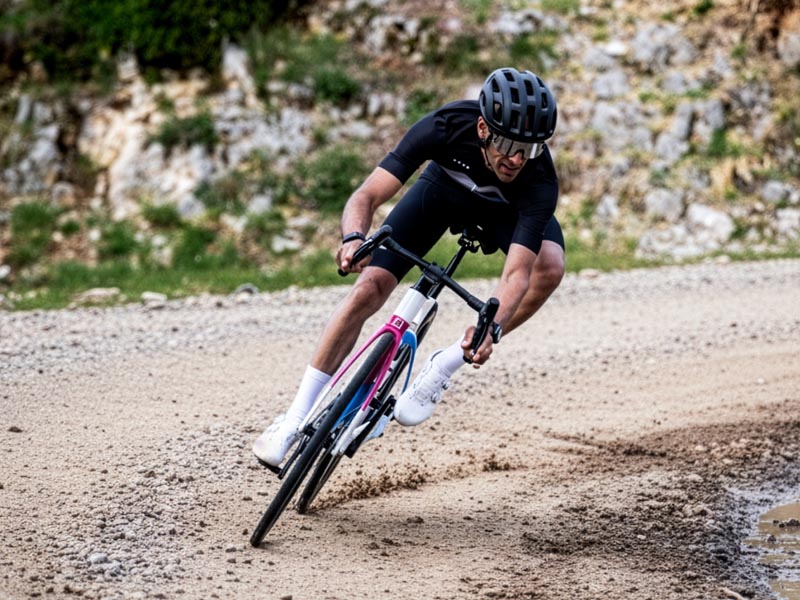
A road bike can go off-road, but only in a minimal sense. Think smooth, hard-packed dirt or fine, compact gravel—not real off-road terrain. Road bikes are designed for speed and efficiency on pavement, so once surfaces become loose, rough, or technical, both control and durability quickly become an issue.
Why Aren’t Road Bikes Really Built for Off-Road?
Before talking about off-road capability, it’s important to understand the road bike tire setup.
Most road bikes still use tubed tires, which are light and easy to fix but more prone to pinch flats on rough or uneven surfaces. This makes them less ideal for off-road conditions.
While tubeless tires allow lower pressure and better grip, they’re not yet standard on road bikes due to compatibility and setup requirements. This difference in tire design helps explain why road bikes are built mainly for smooth pavement.
For a deeper comparison, read our full guide on Tubed vs Tubeless Road Bike Tires.
Why Aren’t Road Bikes Really Built for Off-Road?
 Road bikes are engineered with one main priority: speed on smooth pavement. Everything about their design reflects that goal.
Their narrow tires, usually between 23-28mm, offer low rolling resistance but limited grip. High tire pressure improves efficiency on asphalt but reduces comfort and shock absorption on rough surfaces. Road bike geometry is also optimized for aggressive positioning and quick steering, not stability over uneven ground.
Frame clearance is another major limitation. Most road bicycles don’t allow much room for wider tires or mud buildup, making them unsuitable for loose gravel, wet soil, or debris-heavy paths.
How Does a Standard Road Bike Handle Different Terrains?
| Terrain Type | Can a Road Bike Handle It? | What It Feels Like |
| Smooth asphalt | Yes | Fast, efficient, and stable |
| Hard-packed dirt | Yes (short distance) | Noticeable vibration, still controllable |
| Fine, compact gravel | Limited | Twitchy handling, reduced confidence |
| Loose gravel | No | Poor traction, high crash risk |
| Mud or sand | No | Tires sink or slide easily |
| Rocks / roots / trails | Hard no | High risk of flats and frame damage |
Key Risks to Consider
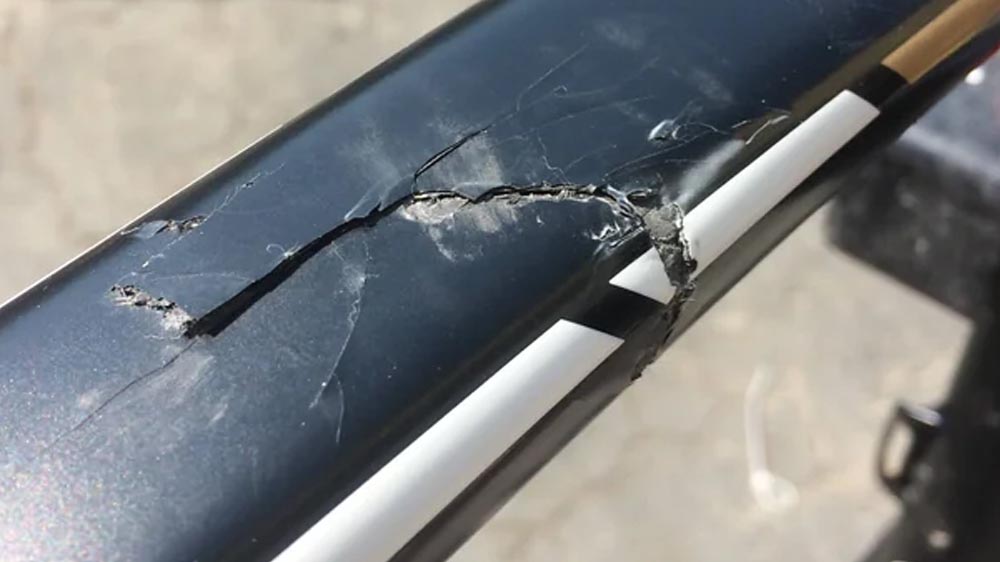 Taking a road bike off pavement isn’t just uncomfortable—it can be risky. High-pressure tires increase the chance of pinch flats when hitting rocks or sharp edges. Slick road tires provide minimal traction on loose surfaces, especially when braking or cornering.
Comfort is another factor. Without suspension or high-volume tires, your hands, arms, and back absorb every vibration. Over time, this becomes tiring and reduces control. There’s also the risk of frame or rim damage, especially on carbon setups that aren’t designed for repeated impacts.
What If You’re Forced to Ride Off-Road?
If there’s no way around it, keep it simple:
- Run the widest tire your frame allows
- Lower tire pressure slightly (within safe limits)
- Pick the smoothest, cleanest line
- Stay relaxed and avoid sudden steering inputs
These won’t turn your road bike into an off-road machine, but they can reduce discomfort and risk.
A road bike can survive light off-road sections, but it’s never truly at home there. If your riding regularly includes gravel, dirt paths, or mixed terrain, endurance road bikes, all-road bikes, or gravel bikes are far better tools for the job. Road bikes shine where they’re meant to be: smooth roads, steady speed, and efficient miles.