



Choosing the right bikepacking shelter means balancing weight, packability, and comfort based on your route, climate, and riding style. Whether you’re on a gravel bike or a long-distance touring setup, your shelter plays a key role in recovery.
Different types of shelters offer varying levels of protection, setup complexity, and packability, making it important to understand which option best fits your bikepacking needs.
What Are the Most Common Bikepacking Shelters?
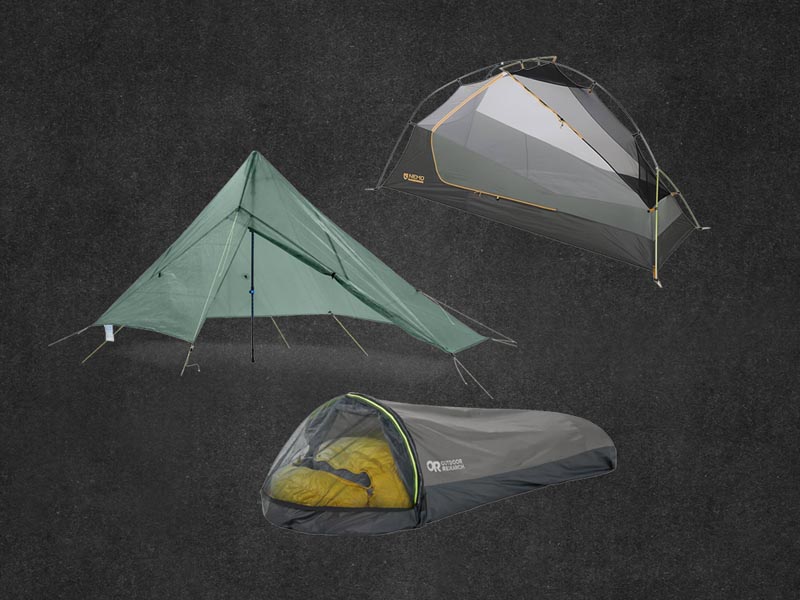
Most bikepacking setups revolve around three lightweight shelter types: bivy, tarp, and ultralight tent. Each represents a different approach to sleeping outdoors, from minimal coverage to full protection.
- Bivy → minimal, fast, and compact
- Tarp → flexible and ultralight
- Ultralight tent → balanced protection and comfort
Understanding how each works helps you match your shelter to your riding goals.
1. Bivy: Minimal and Fast
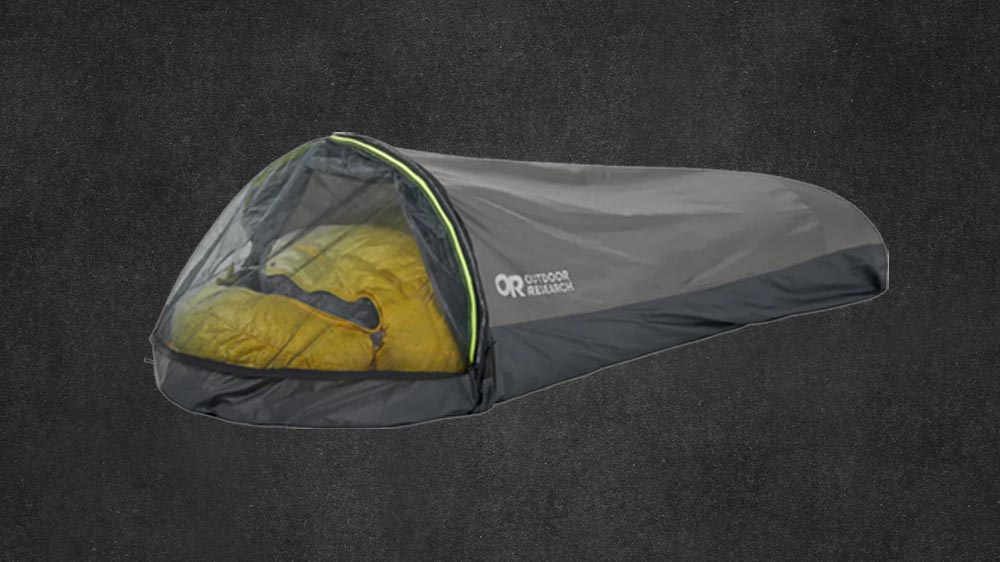
A bivy (bivouac sack) is essentially a waterproof shell for your sleeping bag. It’s the simplest form of shelter you can carry on a bikepacking trip.
Pros:
- Extremely lightweight and compact, barely adds weight, ideal for minimal setups
- Fast setup; just unroll and sleep, no setup time or skills required
- Fits in tight or unconventional spaces, works in narrow spots where tents won’t fit
- Adds a bit of extra warmth, traps body heat in colder conditions
Cons:
- Very limited space (you can only lie down), no room to sit up or move comfortably
- High condensation risk in humid conditions, as moisture can build up inside overnight.
- No room for gear or changing clothes, bags must stay outside.
Best for riders who prioritize speed and efficiency, such as ultra-distance cyclists or minimalist setups where sleep is short and functional.
2. Tarp: Lightweight and Versatile
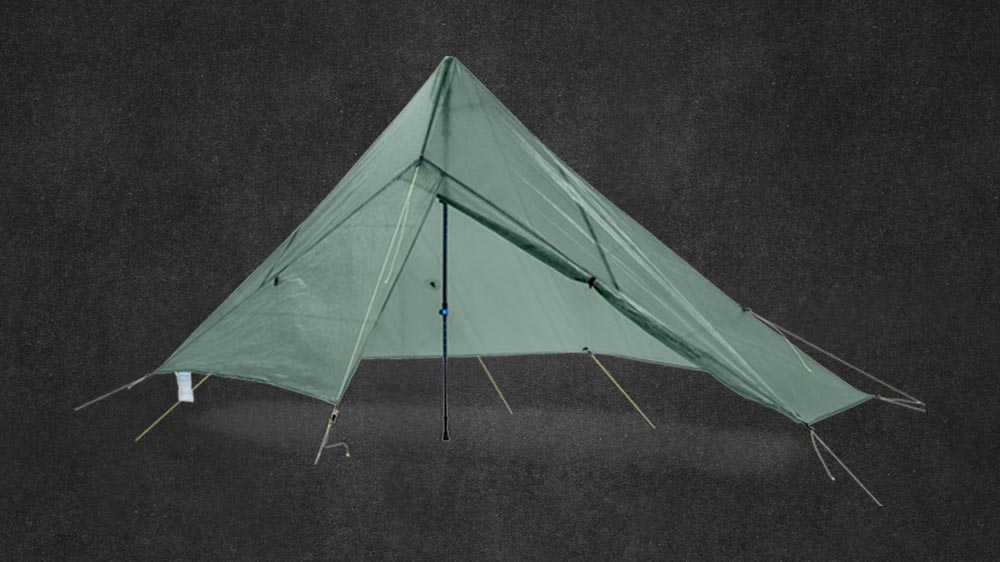
A tarp is a waterproof sheet that can be set up using trees, poles, or even your bike. It offers more flexibility than a bivy while staying extremely light.
Pros:
- One of the lightest shelter options helps keep total bikepacking weight low.
- Excellent airflow (minimal condensation), open design reduces moisture buildup.
- Flexible setup depending on terrain, can be adapted to different environments.
- More open and less restrictive, feels less enclosed and more breathable.
Cons:
- No built-in bug protection, requires a bug net in insect-heavy areas.
- Requires skill to pitch properly, setup depends on experience and technique.
- Less protection in strong or shifting winds, can be exposed in unstable weather.
- Needs an additional groundsheet for wet surfaces, no built-in floor protection.
Best for minimalist riders who value versatility and don’t mind adapting their setups to conditions.
3. Ultralight Tent: Comfort and Full Protection
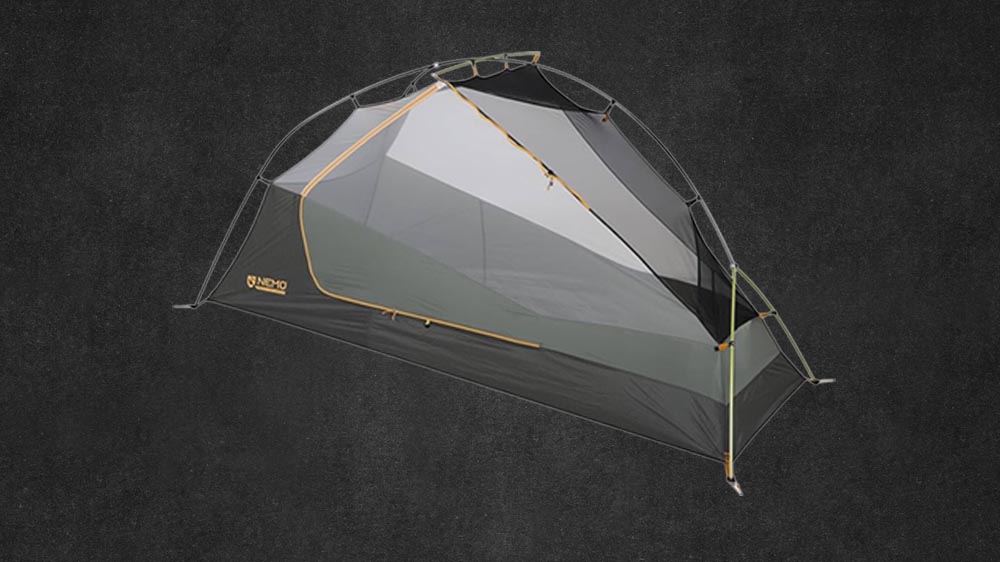
An ultralight tent is designed to offer full protection while keeping weight to a minimum, often under 1 kg.
Pros:
- Full protection from rain, wind, and insects, reliable in most weather conditions.
- Enclosed space for better rest and recovery improves sleep quality on long trips.
- Room for gear storage, keeps bags and essentials protected.
- More consistent setup experience, easier and more predictable than tarp setups.
Cons:
- Heavier than a bivy or tarp, it adds extra weight to your setup.
- Requires flat space to pitch, not always ideal in tight or uneven terrain.
- Typically, more expensive, lightweight materials increase cost.
Best for multi-day trips where rest quality matters, especially for riders covering long distances on a touring bike or mixed terrain routes.
Quick Comparison: Bivy vs Tarp vs Ultralight Tent
| Feature | Bivy | Tarp | Ultralight Tent |
| Weight | Very light | Lightest | Light |
| Packability | Excellent | Excellent | Good |
| Weather Protection | Basic | Moderate | High |
| Bug Protection | Limited | None | Full |
| Comfort | Very low | Moderate (open) | High |
| Setup | Instant | Requires skill | Easy to moderate |
Key Considerations Before Choosing a Bikepacking Shelter
Before picking your bikepacking shelter, think beyond just weight. The right choice depends on how and where you ride.
- Solo vs Shared Riding: If you ride solo, all three options work. But for shared trips, a tent becomes more practical, allowing space for multiple riders and gear.
- Weight and Packability: For riders on a gravel bike or lightweight setup, every gram matters. Bivy and tarp win here, especially for long climbs or fast-paced routes.
- Weather Protection: If your route includes unpredictable weather, a tent provides the most reliable protection. Bivy and tarp setups require more awareness of campsite selection.
- Bug Protection: In tropical or humid regions, insects can be a serious issue. A tent offers full protection, while tarp setups often require additional bug nets.
Simple Rules to Remember
If you’re still unsure, these quick guidelines help simplify the decision: choose a tent if comfort and recovery matter most on longer or unpredictable trips. Go with a bivy if speed and minimal stopping time are your priority. And pick a tarp if you want the lightest, most flexible setup.
In the end, your shelter should match how you ride. The right choice isn’t about trends, it’s about what helps you rest better, ride longer, and enjoy the journey.
Read also: