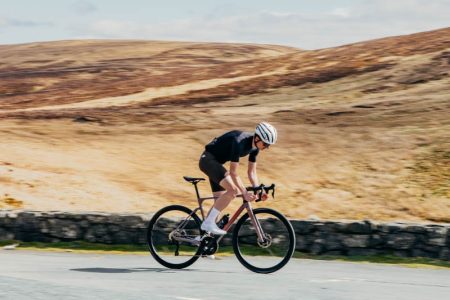





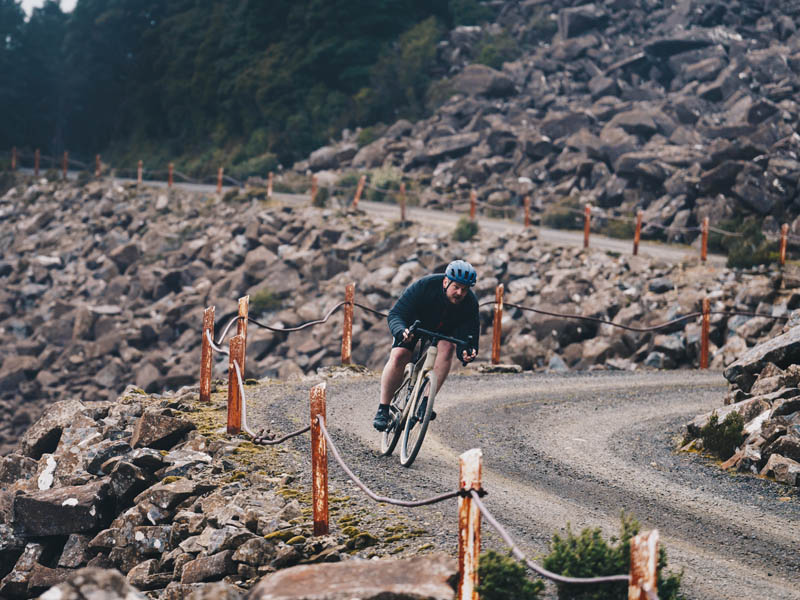
The key to successful gravel cornering is controlling your speed before the turn, looking through the corner toward the exit, relaxing your upper body, and maintaining traction with proper weight distribution.
Unlike pavement, gravel surfaces offer varying levels of grip, so smooth inputs and good body positioning are often more important than aggressive speed. By mastering a few fundamental gravel cornering techniques, riders can improve confidence and control on loose surfaces.
Why Gravel Cornering Is Different?
Cornering on gravel requires a different approach than cornering on smooth asphalt because traction is less predictable. Loose stones, washboard sections, dust, and changing surface conditions can all affect how much grip your tires can generate.
On pavement, riders can often rely on consistent tire contact and higher cornering speeds. On gravel, traction constantly changes throughout a ride. That means smooth movements become essential. Sudden braking, abrupt steering inputs, or stiff body position can overwhelm available grip and make the gravel bike feel unstable.
Proper tire setup also plays a role. Tire pressure that is too high can reduce traction on loose surfaces, while pressure that is too low may affect handling and increase the risk of rim strikes. Before focusing on advanced skills, ensure your tire pressure is appropriate for your equipment, terrain, and rider weight.
Set Up the Corner Before You Enter
Good gravel cornering begins before you reach the turn itself. The best riders make decisions early so they can focus on maintaining traction throughout the corner.
Should You Brake in a Gravel Corner?
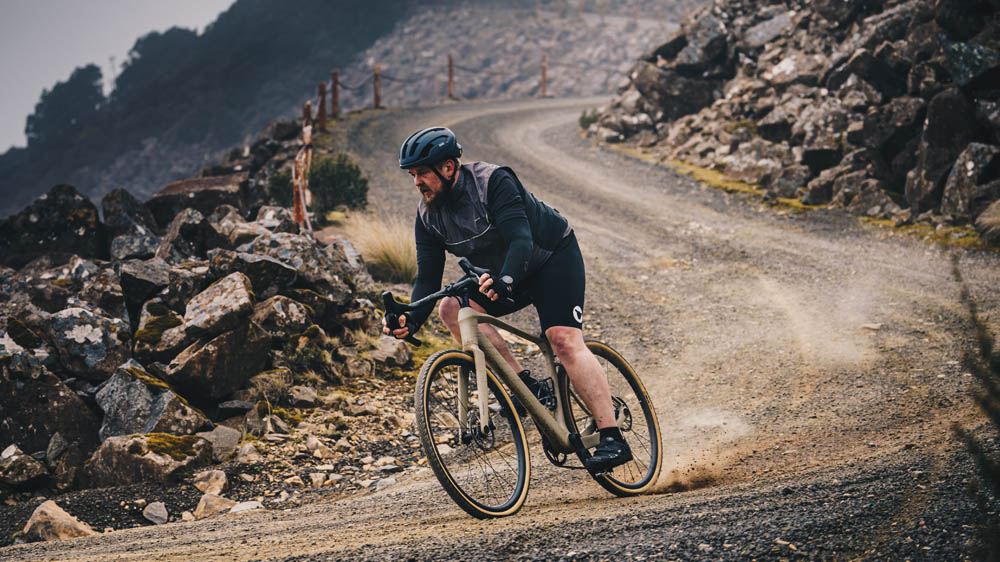
In most situations, heavy braking should happen before entering the turn. Slowing down while the bike is upright allows both tires to maximize traction.
Once you begin leaning into the corner, minimize braking inputs whenever possible. Excessive braking while turning can reduce available grip and make the tires more likely to slide on loose gravel.
Choose Your Line Early
As you approach the corner:
- Reduce speed before turning.
- Scan the surface for loose patches, ruts, or larger rocks.
- Identify the smoothest available line.
- Enter the corner with a controlled pace.
A slightly wider entry can often create a smoother arc through the turn, reducing the need for abrupt steering corrections.
Where Should You Look While Cornering?
One of the most effective gravel cornering techniques is surprisingly simple: look where you want to go.
Instead of staring at loose rocks or obstacles near your front wheel, focus on the corner exit. Your body naturally follows your line of sight, helping create smoother steering and better balance.
Looking through the corner also provides more time to react to changing terrain.
Proper Body Position on Gravel
Body position has a major influence on traction and stability. As you enter a gravel corner, keep your upper body relaxed. Stiff arms and locked shoulders can transfer unnecessary movements into the handlebars, making the gravel bike harder to control on rough surfaces.
A strong cornering position includes:
- Weighting the outside pedal.
- Keeping a slight bend in the elbows.
- Maintaining a low and stable center of gravity.
- Relaxing your grip on the handlebars.
Weighting the outside pedal helps increase stability and encourages the bike to remain planted through the corner. At the same time, soft elbows allow the gravel bike to move underneath you as it reacts to uneven terrain.
Many riders make the mistake of gripping the bars too tightly when nervous. A relaxed upper body allows the front wheel to track naturally across loose surfaces and improves overall bike handling.
Cornering Through Loose Gravel
Once you’ve entered the corner, the goal is to remain smooth and balanced. Allow the gravel bike to lean naturally beneath you while maintaining a stable body position. The amount of lean required will depend on surface conditions and corner shape, but excessive lean on especially loose gravel can overwhelm available traction.
Focus on smooth steering rather than sudden handlebar movements. Small corrections are usually more effective than large ones.
Continue looking toward the exit of the turn and trust the gravel bike to follow your chosen line. Riders who focus too closely on hazards often steer directly toward them, a common issue known as target fixation.
As traction improves near the exit of the corner, gradually begin accelerating again. Smooth power delivery helps maintain control and prepares you for the next section of trail or road.
Common Gravel Cornering Mistakes
Even experienced riders occasionally struggle with cornering when conditions become loose or unpredictable.
Common mistakes include:
- Overbraking: Braking too late or too aggressively can reduce traction and upset bike balance before the corner.
- Target Fixation: Looking directly at an obstacle often causes riders to drift toward it instead of the intended line.
- Death Grip: Holding the handlebars too tightly creates tension throughout the body and limits the bike’s ability to move naturally beneath the rider.
- Entering Too Fast: Many cornering problems begin with excessive entry speed. Slowing down before the turn often results in a smoother and faster overall corner.
Read also:
- Wheelbase Impact on Gravel Bike Handling
- Integrated Cockpit on Gravel Bikes
- Cadence and Pacing Tips for Mixed Terrain
Final Thoughts
Confidence in gravel cornering comes from technique, not speed. By braking before the turn, looking through the corner, weighting the outside pedal, maintaining a relaxed upper body, and using appropriate tire pressure, riders can develop smoother, more controlled handling on loose surfaces. Practice these fundamentals consistently, and cornering on gravel will start to feel more predictable and enjoyable.