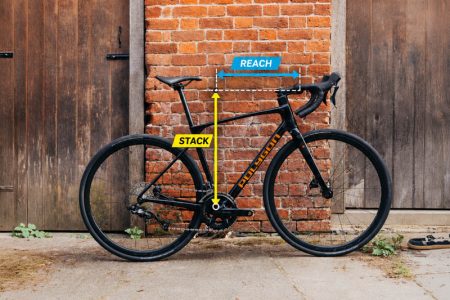












Wind direction affects road cycling performance by changing the amount of aerodynamic resistance a rider must overcome. A headwind increases effort and energy expenditure, a tailwind helps riders maintain higher speeds with less resistance, and a crosswind can affect road bike handling, positioning, and overall efficiency.
Because aerodynamic drag is the largest force cyclists face on flat roads, understanding how to adapt to different wind directions can significantly improve speed, endurance, and control.
Why Wind Matters More Than Most Cyclists Think?
At road cycling speeds, aerodynamic drag is the largest force riders must overcome on flat terrain. Even a moderate breeze can significantly increase resistance, requiring more power to maintain the same speed.
The direction of the wind matters as much as its strength. A headwind can make a flat road feel like a climb, while a tailwind may allow riders to travel faster with less effort. Crosswinds introduce another challenge by affecting handling and positioning.
Learning how to adapt to these conditions is an essential skill for every road cyclist.
Riding Into a Headwind

A headwind occurs when the wind blows directly against your direction of travel. This is often the most physically demanding wind condition because it dramatically increases aerodynamic resistance.
As wind resistance rises, cyclists must generate more power to maintain the same speed. Many riders instinctively try to hold their usual pace, but this can lead to higher heart rates and early fatigue.
When facing a headwind:
- Focus on maintaining a sustainable power output rather than a target speed.
- Lower your torso to reduce frontal area.
- Shift into appropriate gears and maintain a steady cadence.
- Stay mentally prepared for slower average speeds.
Experienced road bike riders often view headwind sections as opportunities to ride consistently rather than chase speed.
The Benefits and Challenges of a Tailwind
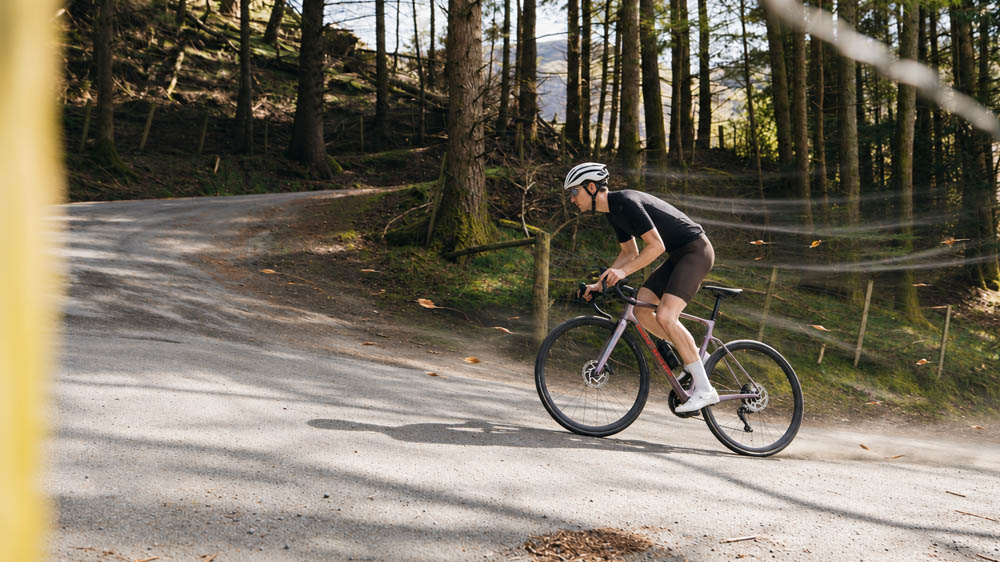
A tailwind pushes in the same direction you’re traveling, effectively reducing aerodynamic resistance. This allows cyclists to maintain higher speeds while using less energy.
However, tailwinds can create a false sense of ease. Riders may become less aerodynamic or increase effort unnecessarily because speeds feel comfortable.
To maximize a tailwind:
- Continue maintaining an efficient riding position.
- Keep applying smooth power to take advantage of the favorable conditions.
- Avoid overexerting yourself early in longer rides.
- Use tailwind sections strategically to conserve energy for more difficult portions of the route.
While tailwinds provide a welcome boost, smart pacing remains important for overall performance.
Understanding Crosswinds
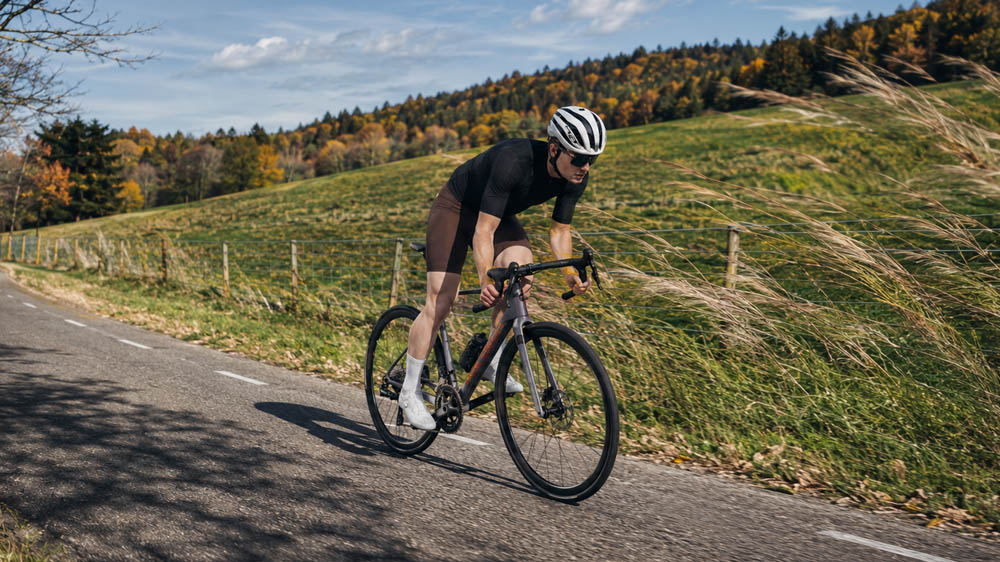
Crosswinds occur when wind approaches from the side. Although they may not feel as physically demanding as headwinds, they can significantly affect bike handling and positioning.
Strong gusts can push riders sideways, particularly when using deep-section aerodynamic wheels. Maintaining a relaxed grip and anticipating sudden wind changes can improve stability and confidence.
When riding in crosswinds:
- Keep your body stable and avoid abrupt steering inputs.
- Leave additional space between riders in a group.
- Stay alert when passing gaps between buildings, trees, or vehicles where wind direction can change suddenly.
- Choose equipment appropriate for expected weather conditions, especially during windy events.
Crosswind management is often just as important as raw fitness during races and long-distance rides.
Read also:
How Drafting Helps in Windy Conditions?
Drafting is one of the most effective ways to reduce the impact of wind. By riding behind another cyclist, riders can significantly decrease the amount of air resistance they face.
In headwind conditions, drafting allows cyclists to conserve valuable energy for later stages of a ride or race. In strong crosswinds, riders may form angled lines known as echelons to gain shelter from the wind while maintaining speed.
Whether in training rides or competitive events, effective drafting can make a substantial difference in overall efficiency and endurance.
Tips for Improving Performance in Windy Weather
Adapting to windy conditions often comes down to technique and preparation. Here are several practical strategies:
- Practice riding in varying wind conditions rather than avoiding them.
- Improve core strength to maintain a stable aerodynamic position.
- Check weather forecasts before planning routes.
- Use power or heart-rate data to pace effort consistently.
- Stay aerodynamic whenever possible.
- Ride with experienced groups to learn positioning and drafting skills.
Over time, these habits can turn windy days from a challenge into a performance advantage.
Wind direction has a direct impact on speed, effort, road bike handling, and overall cycling efficiency. Headwinds demand patience and smart pacing, tailwinds reward efficient power application, and crosswinds require focus and bike control.
By understanding how each wind condition affects your ride, you can make better decisions on the road and improve your performance in a wide range of environments.
Looking for a bike designed to help you perform efficiently on every road ride? Explore Polygon’s range of road bikes engineered for speed, comfort, and confidence in changing conditions.