










Wheelbase may seem like a small detail compared with other factors that shape gravel bike handling, but its impact becomes clear once the terrain changes. A longer wheelbase—the distance between the front and rear wheel axles—provides greater high-speed stability and confidence on loose or rough surfaces.
A shorter wheelbase, meanwhile, makes steering quicker and more agile, giving the gravel bike a noticeably different character when responding to rider input.
How Does Longer Wheelbase Affect Handling?
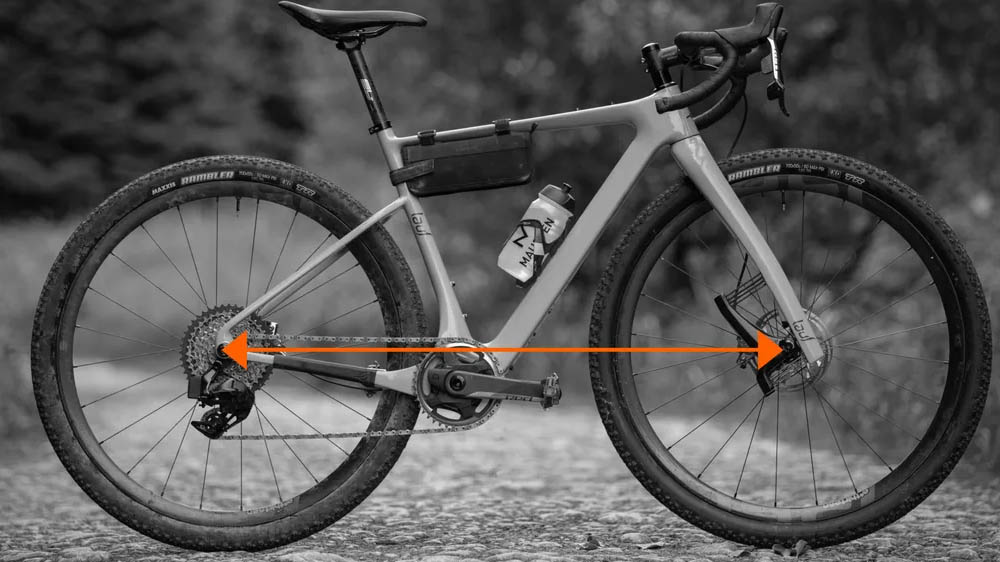
A longer wheelbase generally gives a gravel bike a steadier character. With more distance between the front and rear axles, the bike tends to feel less reactive to sudden direction changes, which can help when the surface becomes loose, rough, or unpredictable.
- More Stability on Rough Terrain
Stability is where the difference becomes most noticeable. A longer wheelbase helps the bike feel more planted at speed, requiring fewer quick corrections as you move across uneven terrain. Instead of reacting sharply to every steering input, the bike maintains a calmer, more composed feel.
This can give riders more confidence on rough gravel, where maintaining a predictable line may matter more than having the quickest steering response.
- Better Weight Distribution
The longer distance between the wheels can also contribute to a more balanced distribution of rider and bike weight. For gravel bike handling, this supports the stable character of the geometry and can help the bike feel more settled when conditions become rough.
This characteristic can be particularly relevant when stability is a bigger priority than sharp steering.
- The Tradeoff: Less Agile on Smooth Roads
That stability comes with a different feel when quick direction changes are needed. A longer wheelbase can make steering feel slower and less immediate than a shorter setup, particularly on smoother roads or tighter sections.
It does not mean the gravel bicycle itself is slower. Rather, the bike takes a more measured approach to steering inputs, trading some agility for the stability that becomes useful once the terrain gets rough.
How Does Shorter Wheelbase Affect Handling?
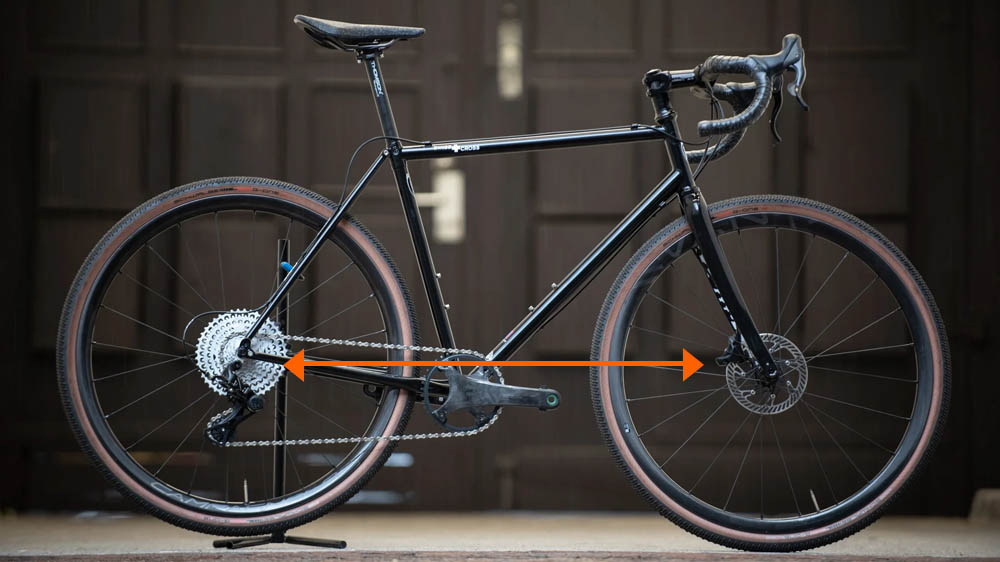
A shorter wheelbase gives a gravel bike quicker steering, but that responsiveness also changes how much input is needed from the rider, especially once the surface gets loose.
- Direct Response to Handlebar Inputs
With less distance between the two axles, the bike responds more quickly when you turn the handlebars. Direction changes feel immediate rather than gradual, which can suit riders who prefer agile steering and want the bike to react quickly when choosing a new line.
- Feels More Connected to Rider Movement
That quicker response makes rider input easier to feel through the bike. Small movements at the handlebar can produce a more noticeable change in direction, giving the gravel bicycle a lively, direct feel instead of the calmer steering associated with a longer wheelbase.
- Requires More Focus on Loose Terrain
Quick steering has a trade-off. On loose gravel or rough surfaces, a shorter-wheelbase bike may need more frequent rider input to stay on the intended line. You may have to pay closer attention to steering corrections as the surface changes, particularly compared with the steadier feel of a longer wheelbase.
Read also:
Wheelbase vs Rider Type
Different riding priorities call for different handling characteristics, so wheelbase is worth considering alongside the terrain and type of riding you do.
- Competitive Gravel Enthusiast

A slightly shorter wheelbase can suit competitive riders looking for quicker handling and steering. The more immediate response makes sense when agility is a bigger priority and you want the gravel bike to react quickly to changes in direction.
- Endurance Rider

For longer rides, a moderate wheelbase offers a balance between agility and comfort. It avoids the more reactive feel of a shorter setup without pushing too far toward the slower steering response of a longer wheelbase.
- Bikepacker

When carrying extra gear, stability becomes more important. A longer wheelbase can provide better load stability and a more confident feel over rough terrain, making it better suited to a loaded gravel bicycle.
Wheelbase may be only one number on a geometry chart, but you can feel its influence once the gravel bike starts moving. Shorter setups favor quicker steering, while added length brings more stability when the terrain gets rough.
Whether you are choosing a Polygon or another gravel bicycle, consider wheelbase alongside the bike’s overall geometry and the terrain you ride most often. The right setup is the one that delivers the gravel bike handling you want where you actually ride.