




A proper MTB riding position is not about staying in one posture throughout the ride. Instead, it involves adjusting your body position to match the terrain, helping you maintain balance, traction, and control.
From smooth flow trails to steep climbs and technical descents, knowing when to switch between the neutral, attack, climbing, and descending positions can make every ride safer, more efficient, and more enjoyable.
What Is the Neutral MTB Riding Position?
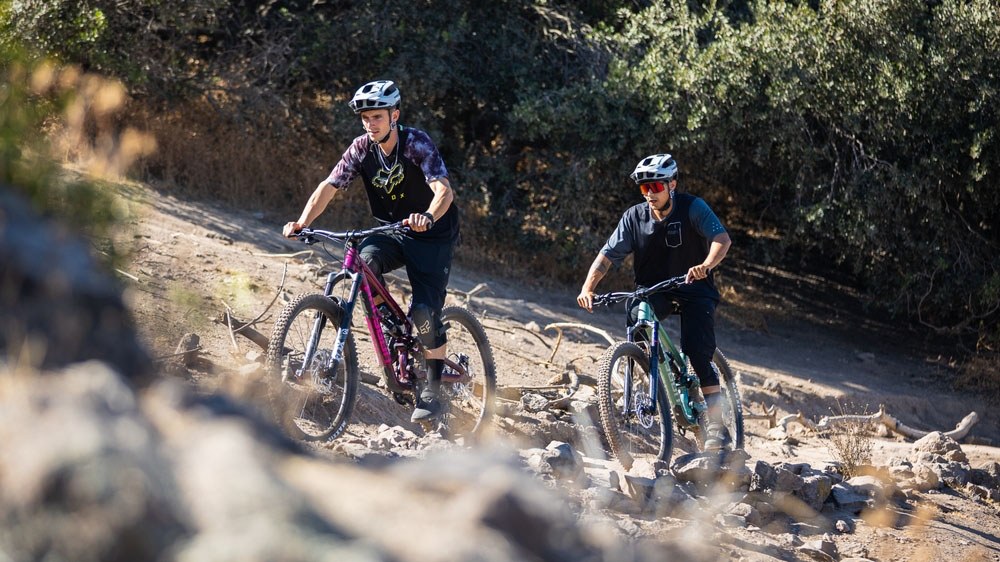
The neutral MTB riding position is used on smooth trails, gentle turns, and easy terrain where maintaining balance and staying ready to react are the main priorities. While this position feels comfortable, it also helps riders stay in control and respond more quickly if the trail conditions change.
Body Position
- Keep your pedals level at the 3 and 9 o’clock positions to create a stable riding stance.
- Bend your knees and elbows slightly instead of locking them to help your body stay relaxed.
- Keep your head up and look ahead so you can stay aware of the trail in front of you.
- Center your weight between both wheels to maintain balanced traction and stability.
- Hold the handlebars with a light grip for comfortable and controlled steering.
The neutral position keeps you balanced and ready to react to obstacles, making it ideal for cruising and riding on less technical sections of the trail.
What Is the Ready or Attack MTB Riding Position?
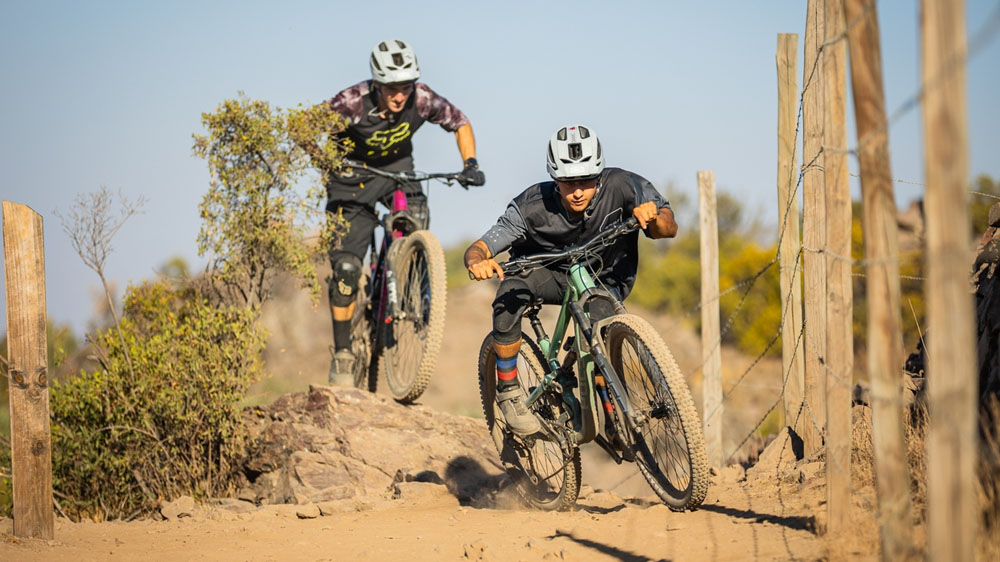
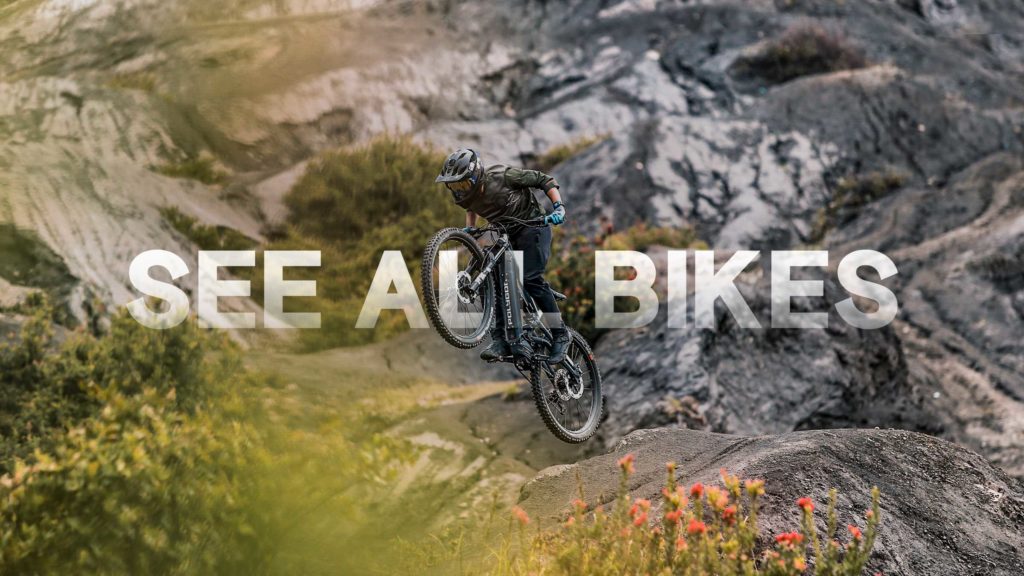
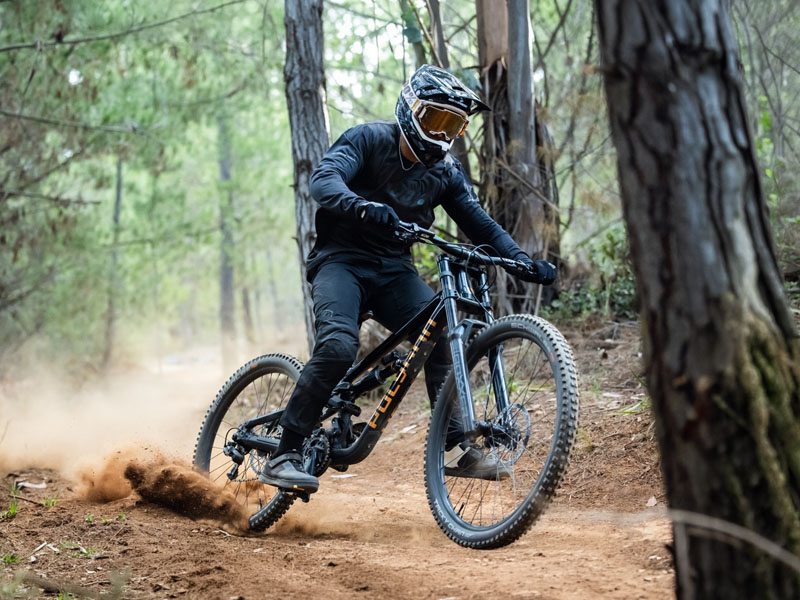
The ready or attack MTB riding position is used when tackling rocks, roots, drops, jumps, and other technical terrain. Compared to the neutral position, this stance allows your body to absorb impacts more effectively while maintaining balance and control over rough trails.
Body Position
- Stand tall off the saddle to give your bike more freedom to move beneath you.
- Bend your knees and elbows more aggressively so your arms and legs can absorb bumps and impacts.
- Lower your chest slightly to improve stability without shifting too much weight forward.
- Keep your heels slightly dropped to maintain a secure and stable footing on the pedals.
- Put most of your weight through your feet while keeping your hands light on the handlebars, often described as “heavy feet, light hands.”
Staying relaxed instead of stiff helps absorb impacts more efficiently and keeps the mountain bike stable through technical sections.
What Is the Correct Climbing Position on an MTB?
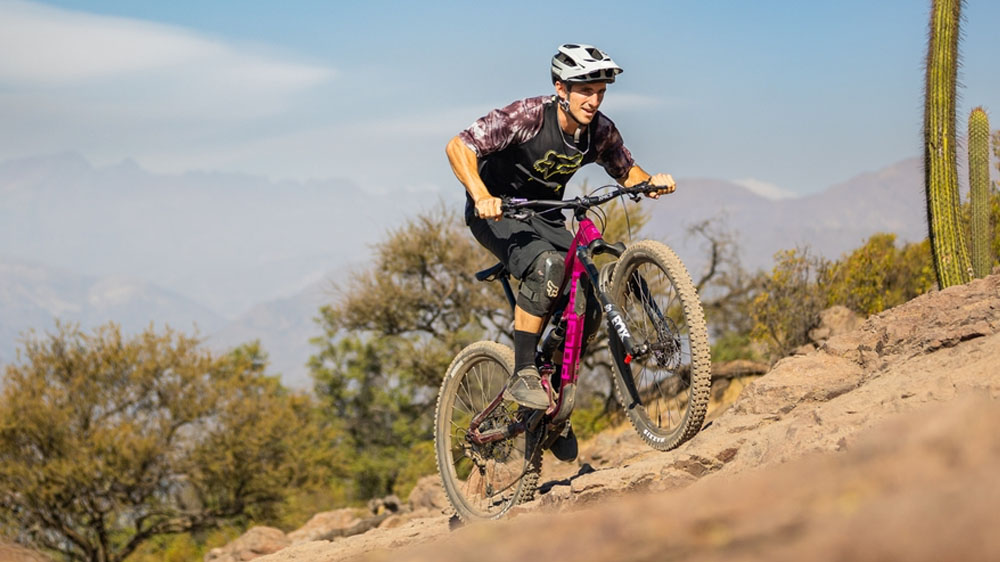
The goal of the climbing MTB riding position is to prevent the front wheel from lifting while maintaining traction on the rear wheel. A balanced body position helps the bike climb more efficiently, especially on steep or loose terrain.
Body Position
- Sit on or hover just above the saddle to maintain comfort while keeping control during the climb.
- Move your torso forward to help keep the front wheel planted and improve steering.
- Keep your elbows relaxed instead of locking your arms, allowing the bike to move naturally beneath you.
- Maintain smooth pedal strokes to deliver consistent power and preserve rear-wheel traction.
- Lower your chest on very steep climbs to keep your weight forward without compromising balance.
Sitting too far back can cause the front wheel to wander, while leaning too far forward may reduce rear-wheel traction. Finding the right balance helps you climb with better control and efficiency.
What Is the Correct Descending Position on an MTB?
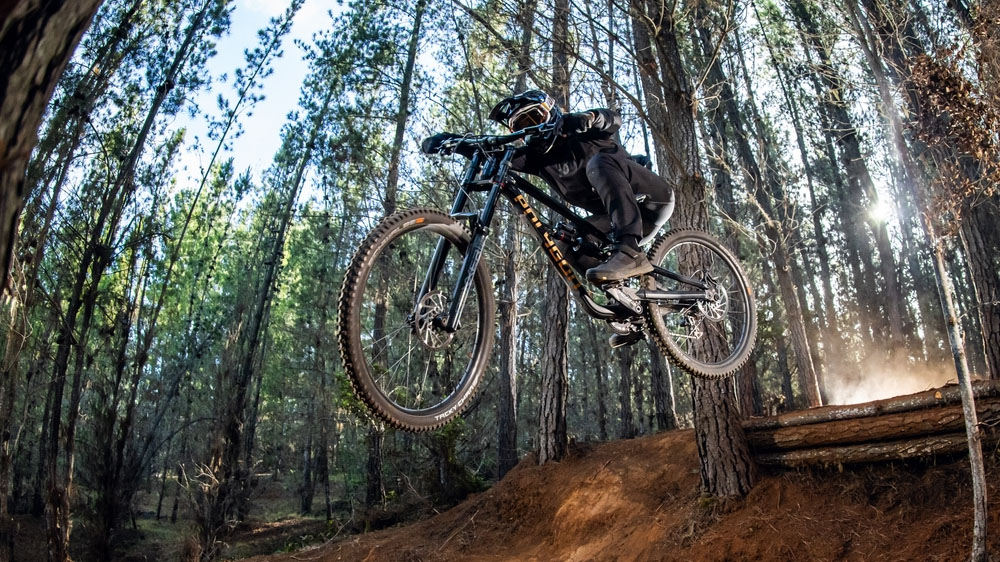
The descending MTB riding position is designed to provide stability and control on steep downhills. Instead of leaning too far behind the bike, focus on staying balanced and centered while allowing your body to absorb changes in the terrain.
Body Position
- Drop your heels to improve stability and maintain a secure position on the pedals.
- Get off the saddle to give the bike more freedom to move over rough terrain.
- Keep your arms and legs bent so they can absorb impacts more effectively.
- Move your hips slightly rearward while staying centered over the bike to maintain balance on steep descents.
- Look far down the trail instead of focusing on the front wheel to better anticipate upcoming obstacles.
Modern MTB riding position techniques emphasize staying balanced and centered, helping riders maintain better traction, stability, and control throughout the descent.
Ride with the Right MTB Riding Position
There is no single MTB riding position that works for every trail. As the terrain changes, your body position should change with it to maintain balance, traction, and control. Remember to stay relaxed, keep your pedals level when you’re not pedaling, and always look ahead on the trail.
Let your arms and legs work as natural suspension to absorb impacts and maintain better balance and control. With regular practice, switching naturally between each riding position will become an essential skill for tackling a wider variety of trails.
Read also: