






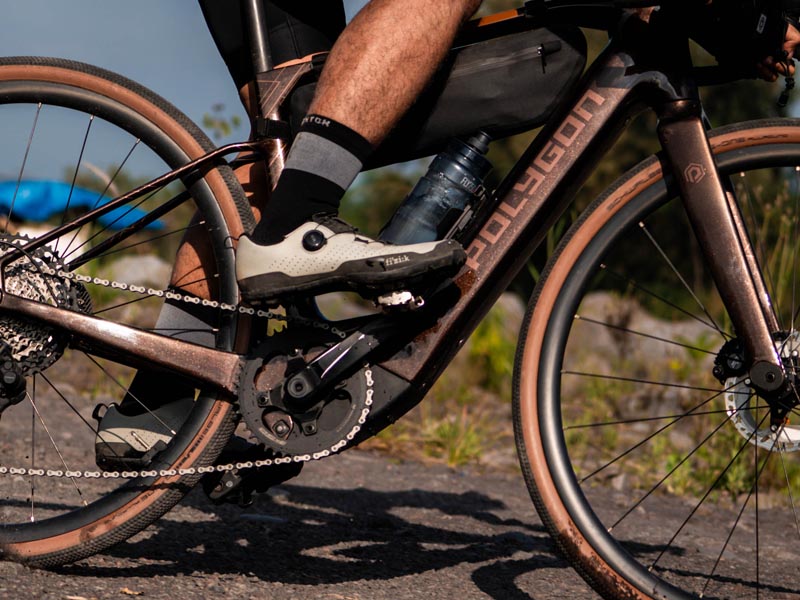
Pedal assist helps an e-bike respond to your pedaling by adding motor support only when you start turning the pedals. Rather than moving the bike on its own, the system works with your effort, making acceleration, climbing, and longer rides feel easier while still keeping the ride close to a normal electric bicycle experience.
Sensor Detects Your Pedaling
The first stage of pedal assist begins with sensors placed near the crank area. These sensors detect rider input and tell the motor when support should begin. There are two main sensor types used on an electric bike, and each affects how assistance feels on the road.
Cadence Sensor
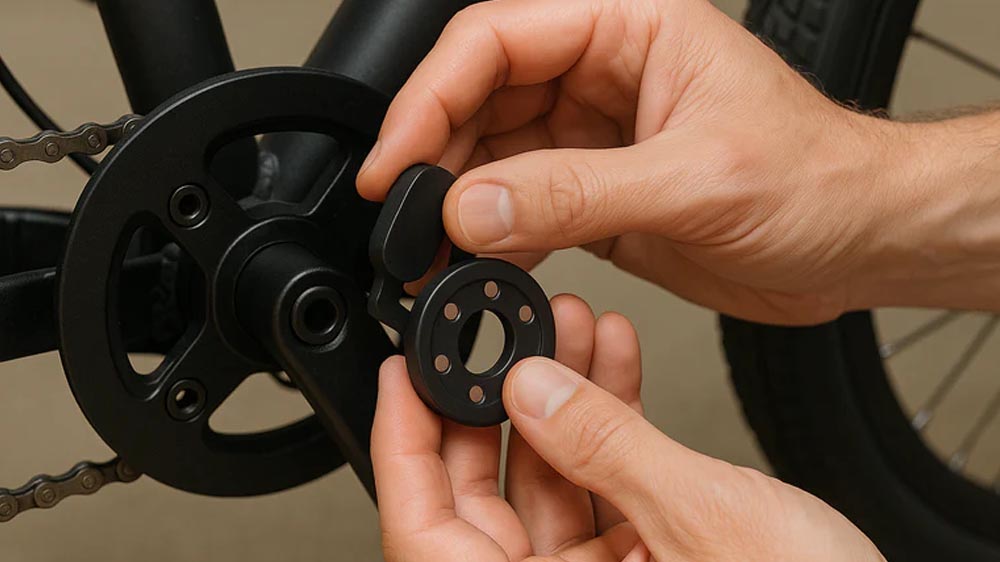
A cadence sensor detects pedal movement by monitoring crank rotation.
Once the pedals begin turning, the system activates motor assistance automatically. Because it reads movement rather than pedaling force, assistance may begin after a brief pedal rotation rather than instantly. This creates a simple riding feel: pedal movement starts the motor, and stopping the pedals stops the support.
Cadence sensors are widely used on many entry-level e bike systems because they are reliable, simple, and cost-effective.
Torque Sensor
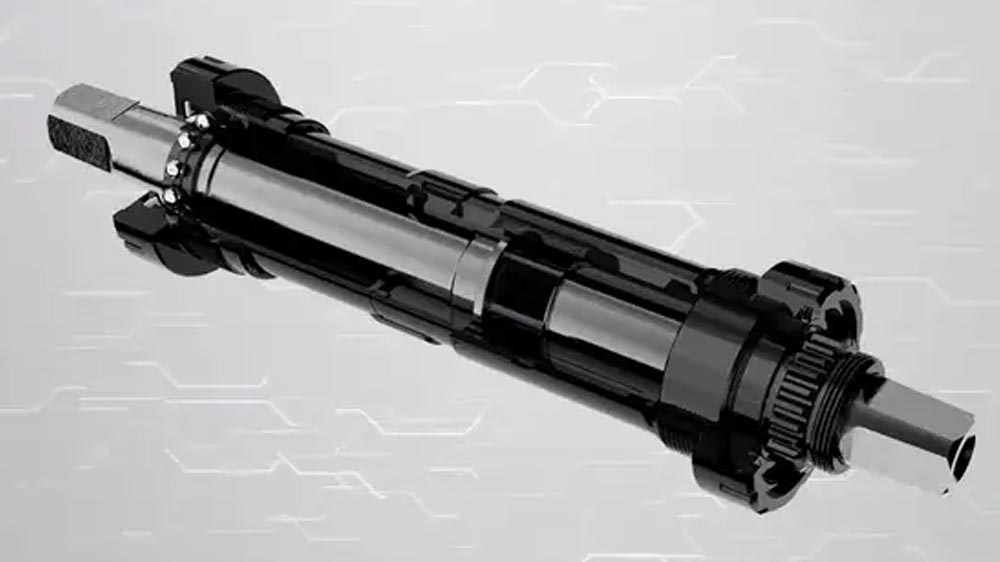
A torque sensor measures how much pressure the rider applies to the pedals.
Instead of only detecting movement, it reads pedaling force and adjusts motor output accordingly. The harder the rider pushes, the more assistance the motor delivers. This creates a smoother and more natural response because support rises directly with rider effort, often making the assistance feel almost invisible during riding.
Many newer electric bicycles use torque sensors because they better match the natural pedaling rhythm.
The Motor Adds Power
Once the sensor sends a signal, the motor provides extra power to help move the bike forward. The motor does not replace pedaling. Instead, it amplifies rider input, which makes climbing easier, acceleration smoother, and maintaining speed less demanding.
Two common motor layouts are used:
- Hub motors, placed in the wheel hub, deliver power directly to the wheel
- Mid-drive motors, positioned near the crank, apply power through the drivetrain for a more balanced riding feel
Because the motor only works while pedaling, pedal assist keeps the riding experience close to a traditional bicycle rather than feeling like a scooter.
The Battery Powers the System
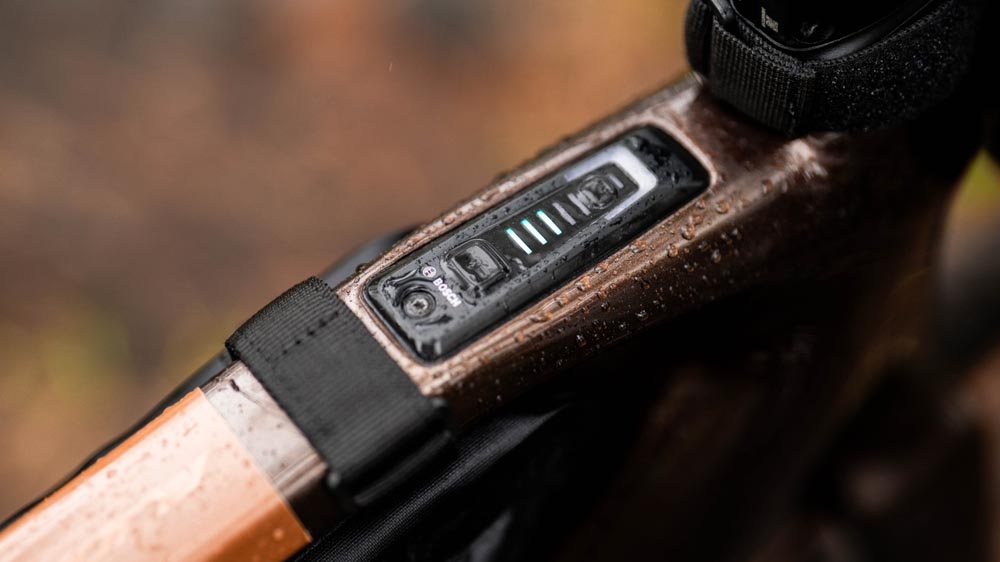
The battery supplies energy to the entire assist system. Every time the motor adds support, power comes from the battery mounted on or inside the frame. Battery capacity directly affects how far an electric bike can travel before recharging becomes necessary.
Larger batteries usually provide longer riding range, especially when riders frequently use higher assist levels or ride steep terrain. Even when the battery runs out, the bike still works normally, although it feels heavier than a standard bicycle because of the added motor and battery weight.
You Control the Assist Level
Most e-bike systems allow riders to choose how much support they want during a ride.
Typical assist modes include:
- Eco for light assistance and better battery efficiency
- Normal for balanced everyday riding
- High for maximum motor assistance
Lower settings conserve battery and require more rider effort, while higher settings provide stronger support but reduce available range more quickly. This flexibility allows pedal assist to adapt easily to different riding situations.
Is It Good for Beginners and Daily Riding?
For many riders, pedal assist is especially useful because it reduces the effort barrier that sometimes makes cycling feel intimidating at first.
Beginners often appreciate how assistance helps when starting from traffic lights, climbing short hills, or maintaining a steady speed without tiring too quickly.
For daily riding, it also helps riders arrive with less fatigue, which is useful for commuting, errands, or longer urban routes. Because the system only works when pedaling, riders remain actively involved rather than simply relying on motor power.
Conclusion
Pedal assist works by combining sensors, motor support, and battery power into one coordinated system that responds directly to rider input. The result is an electric bicycle that still feels natural to pedal, but becomes easier to manage across hills, longer distances, and everyday riding.
For many riders, this balance is what makes an e-bike practical: it keeps the rhythm of cycling while making more routes feel accessible.
Read also: Electric Bike Riding Guide for Beginners