




Gravel bike pedals are designed for high mud clearance, durable performance, and easy walking, making them a hybrid between road and mountain bike (MTB) pedals. They ensure secure power transfer while allowing riders to easily detach, with some opting for large-platform flat pedals, especially for technical terrain or bikepacking.
Unlike road-specific systems, gravel pedals are usually selected not only for power transfer but also for how easily riders can engage, release, and move comfortably when they step off the bike.
What Are Gravel Bike Pedal Types?
The two main pedal systems used on a gravel bike support the foot differently, and each creates a distinct riding feel depending on terrain and rider preference.
1. Clipless Pedals for Gravel
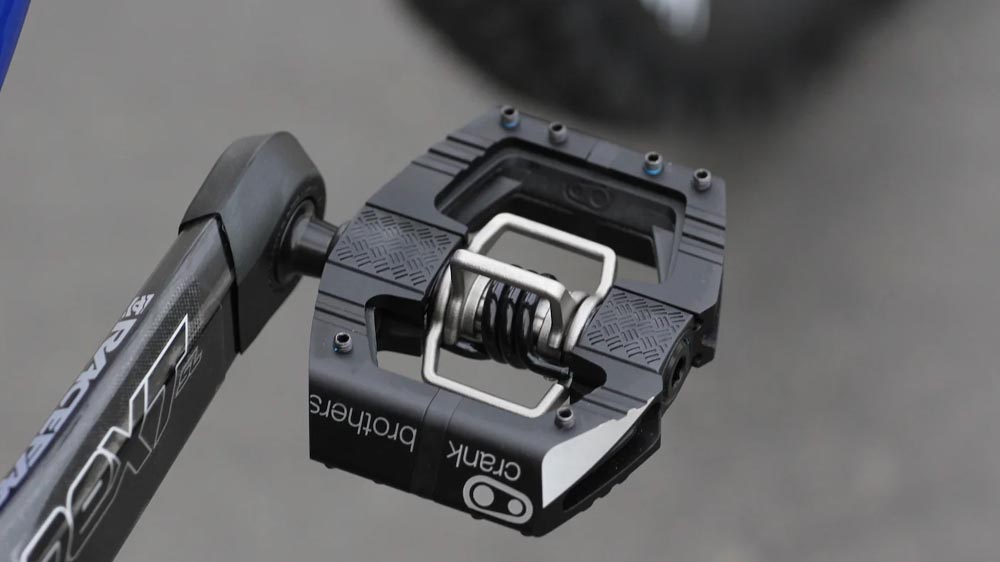
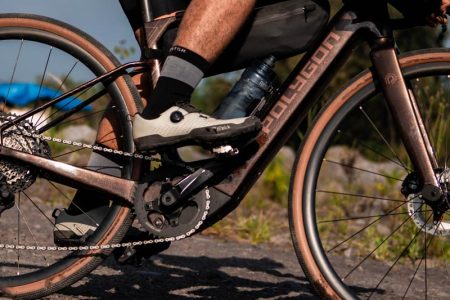
Clipless pedals are the most common choice for a gravel bicycle because they connect the shoe to the pedal through a cleat system. Most gravel riders use two-bolt cleats, similar to mountain bike pedals, since the cleat sits recessed into the sole and remains easier to walk in than road-specific designs.
To engage, the rider presses the cleat into the pedal until it locks, then twists the heel outward to release. Once connected, the foot stays securely positioned even when the surface becomes rough.
For gravel riding, this system is valued because dual-sided entry makes clipping in easier after stops, while the open mechanism usually clears mud more effectively than road pedals.
2. Flat Platform Pedals
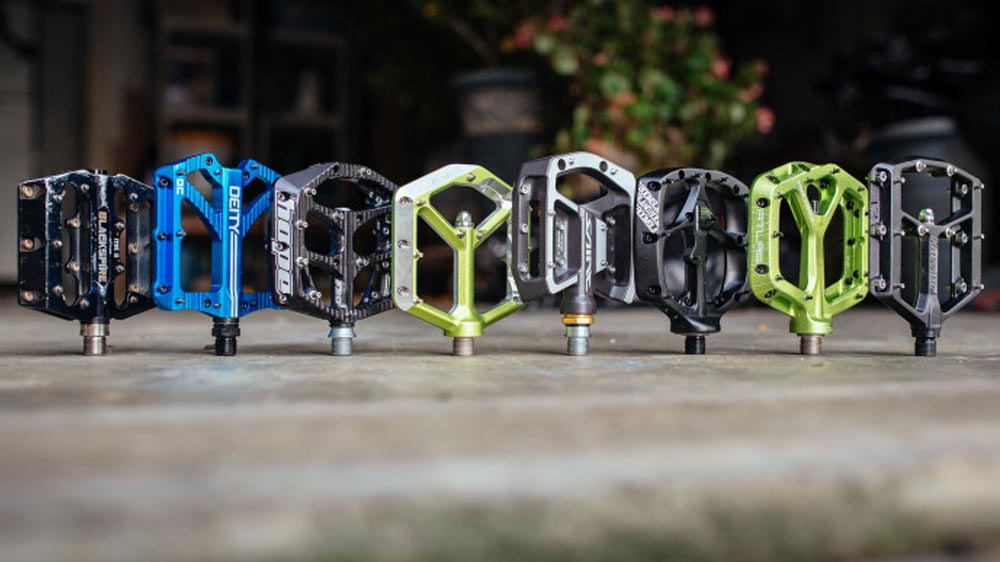
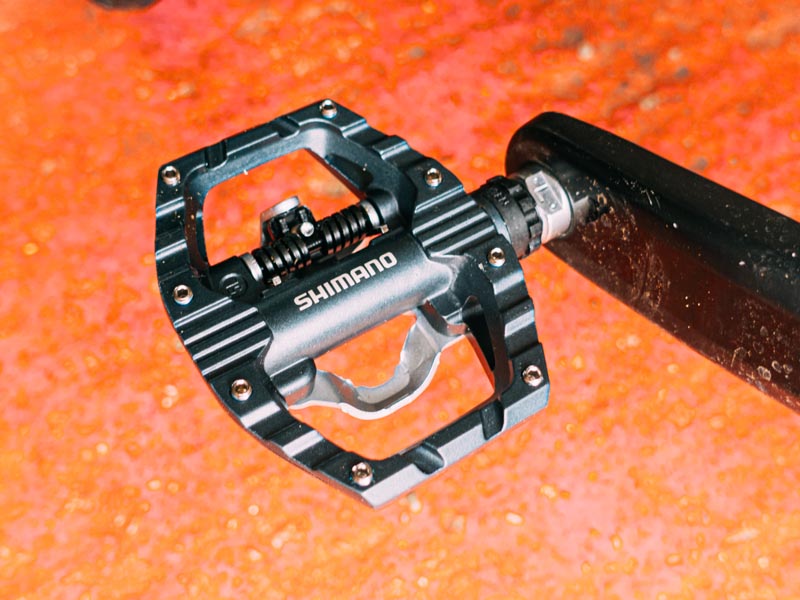
Flat platform pedals do not use cleats. Instead, the shoe rests directly on the pedal body, where small pins or textured surfaces help create grip between the sole and the pedal.
Because there is no locking mechanism, the foot can move or lift away instantly whenever needed. This makes flat pedals feel intuitive on technical terrain, especially for riders who prefer quick foot placement or frequent stops.
They also work with normal shoes or flat-soled cycling shoes, although grip depends heavily on the shoe sole texture and pedal design.
Which Should You Choose?
For many riders, clipless pedals become the preferred choice because they offer a stronger sense of pedaling consistency over long distances.
A secure cleat connection helps the foot stay stable when climbing loose gradients, accelerating on gravel, or maintaining rhythm through rough sections. This does not necessarily mean more power in every situation, but it often creates a more controlled pedaling feel.
Flat pedals suit riders who value simplicity and immediate freedom of movement. Beginners often prefer them because there is no learning curve for clipping in and out. Riders coming from mountain biking may also find flat pedals familiar, especially when the terrain includes technical descents or repeated stop-start riding.
In practice, the right choice depends on what matters more to you: a stable connection or quick foot freedom.
Why Does Pedal Choice Matter?
Pedals are one of the main contact points between rider and bike, so small differences quickly become noticeable over long gravel rides.
A well-matched gravel bike pedal affects how confidently a rider handles rough terrain, especially when the front and rear wheels move unpredictably beneath the bike. Clipless systems often help maintain foot stability when riding over repeated vibration, while flat pedals can make body movement feel more natural on technical terrain.
Pedal choice also affects walking comfort. Gravel riding often includes café stops, short hike-a-bike sections, or surfaces where clipping out becomes necessary. This is why many gravel riders avoid road-style three-bolt pedals, which are efficient on smooth roads but awkward when walking on dirt or gravel.
Mud handling is another important reason pedal systems differ in gravel riding. Two-bolt off-road pedals are generally designed with open mechanisms that clear debris more easily, reducing the chance of difficult engagement after muddy sections.
Over longer distances, comfort becomes just as important as efficiency. A pedal that feels natural for several hours often matters more than one chosen only for technical specifications.
Conclusion
The best Gravel Bike pedal is usually the one that matches both your riding surface and how you want the bike to feel beneath you. Riders focused on long mixed-terrain routes often prefer clipless systems for consistency and efficiency, while flat pedals remain a practical choice for riders who value flexibility and easy foot movement.
If you want to explore fit, cleat options, and riding priorities more deeply, continue with the article “How to choose gravel bike pedals?”
Read also: Practical Gravel Bike Sizing Guide