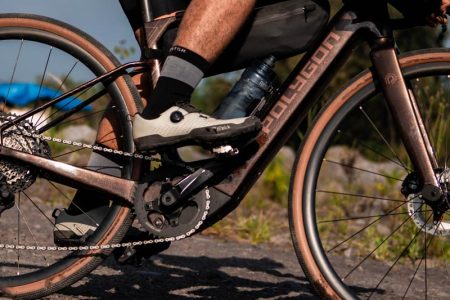






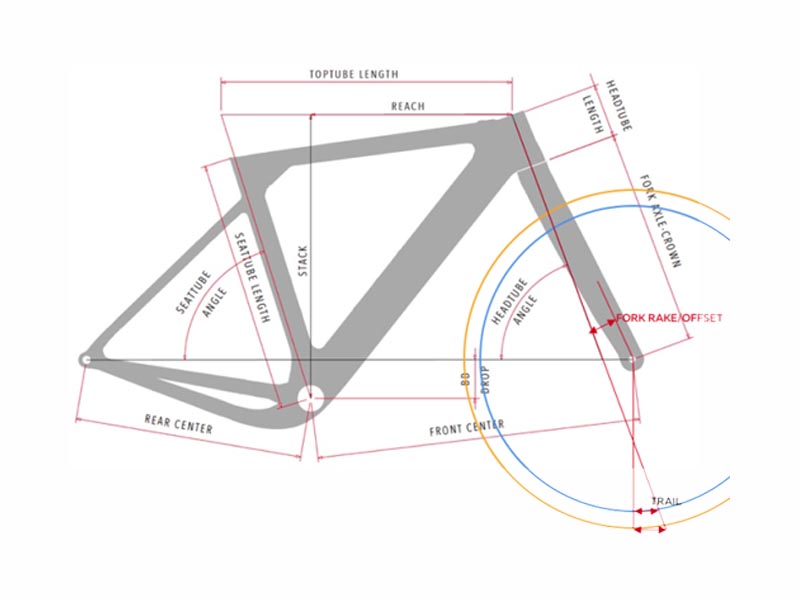
Gravel bike geometry is designed to prioritize stability, comfort, and control on unpredictable terrain. Compared to a typical road bike, a gravel bicycle usually features a longer wheelbase, a slightly slacker head tube angle, and a lower bottom bracket.
These design choices help riders stay balanced on loose gravel, dirt roads, and mixed surfaces while maintaining efficiency for long rides. Understanding these geometry elements can help riders choose the right gravel bike for their riding style.
What Is Gravel Bike Head Tube Angle?
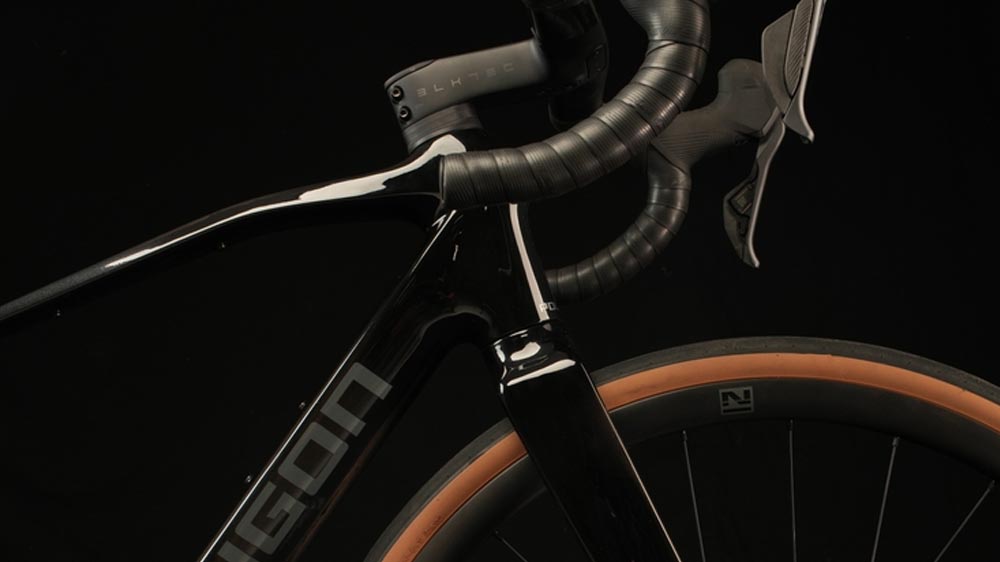 In gravel bike geometry, the head tube angle refers to the angle formed between the bike’s head tube and the ground. This measurement plays a major role in determining how a bike steers and feels when riding across different terrain.
Most gravel bikes use a slightly slacker head tube angle, typically around 70°–72°, compared with many road bikes that often sit closer to 72°–74°. A slacker angle pushes the front wheel slightly farther forward, improving stability on loose gravel, rough roads, or fast descents.
The result is steering that feels calmer and more predictable on uneven surfaces. While a steeper angle can make a bike feel quicker and more responsive on smooth pavement, the slightly slacker setup used in gravel bicycles helps riders stay in control when terrain becomes unpredictable.
Reach & Stack: Why Are They Important?
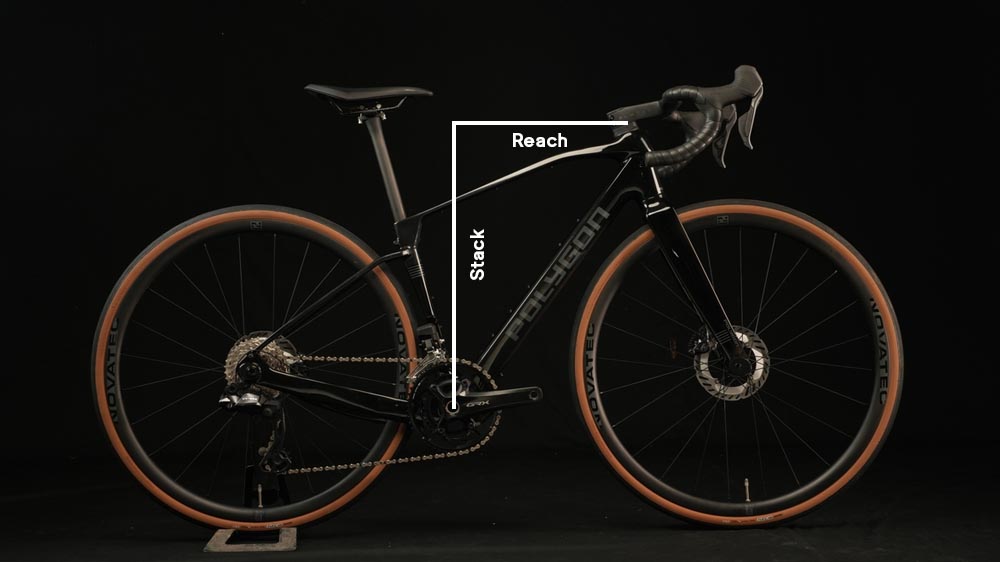 Another key part of gravel bike geometry is the relationship between reach and stack, two measurements that define how a rider is positioned on the bike.
Reach refers to the horizontal distance from the bottom bracket to the top of the head tube. It determines how much a rider feels the handlebars when holding them. A longer reach usually creates a more aggressive riding position and can improve control at higher speeds.
Stack, meanwhile, measures the vertical distance from the bottom bracket to the top of the head tube. A taller stack raises the handlebars, resulting in a more upright, comfortable riding position for long rides.
In many gravel bikes, designers combine a relatively higher stack with moderate reach to create a balanced position. This setup helps riders stay comfortable for hours while maintaining sufficient control on rough or loose terrain.
What Is Gravel Bike Wheelbase? Why Is It Important?
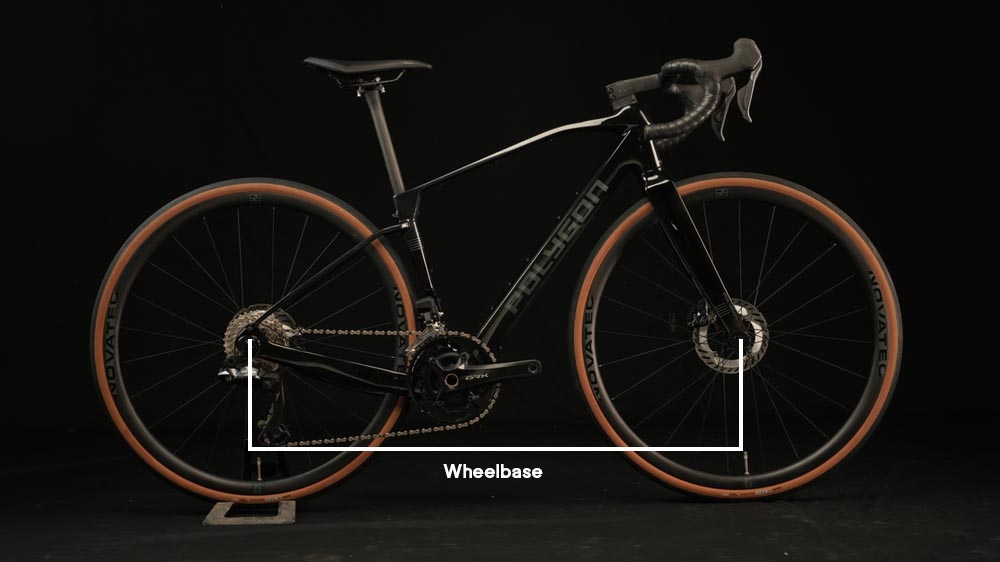 Another key element of gravel bike geometry is the wheelbase, the distance between the front and rear wheel axles. This measurement plays a major role in how stable or responsive a bike feels while riding.
Most gravel bikes feature a longer wheelbase than road bikes. By placing the wheels slightly farther apart, the bike becomes more stable when riding on loose gravel, rough dirt roads, or uneven terrain. The longer platform helps the bike track straighter and feel less twitchy at speed.
This added stability is especially helpful during long rides on unpredictable surfaces. While a shorter wheelbase can make a bike feel quicker and more agile, the longer setup used in gravel bicycles improves balance and control when the road gets rough.
Two Main Gravel Geometry Philosophies
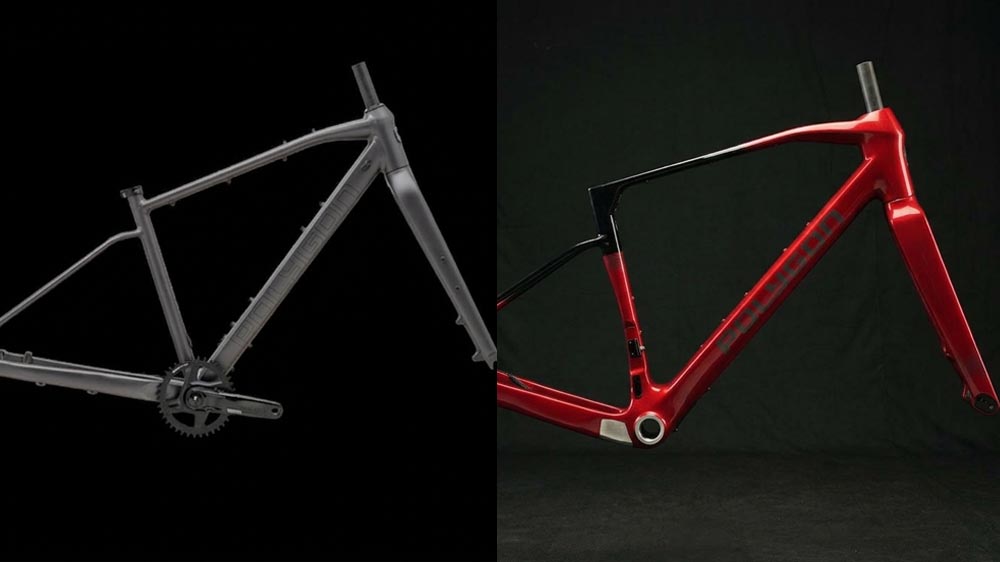 Not all gravel bikes are designed with the same priorities. In practice, modern gravel bike geometry generally falls into two main approaches: bikes focused on speed and racing, and bikes built for comfort and adventure.
1. Race Gravel (Fast & Aggressive)
Race-oriented gravel bikes are designed for riders who prioritize speed on smoother gravel roads. These bikes usually feature longer reach, a lower stack, and slightly steeper angles, creating a more aerodynamic and aggressive riding position.
The handling tends to feel quicker and more responsive, similar to a road bike but with the ability to fit wider tires. This type of geometry is often preferred for competitive gravel racing or fast group rides on dirt roads.
2. Adventure / All-Road Gravel
Adventure-focused gravel bikes take a more relaxed approach to geometry. They typically use a higher stack, slightly shorter reach, and longer wheelbase, which results in a more upright and stable riding position.
This design improves comfort during long rides and provides better control on rough terrain or when carrying extra gear. Bikes such as the Polygon Bend and Polygon Tambora follow this philosophy, offering stable handling for riders who enjoy long gravel routes, mixed surfaces, or bikepacking adventures.
Both approaches highlight how gravel bike geometry can be tuned to match different riding styles, whether the goal is speed on gravel roads or exploring further off the beaten path.
Why Gravel Bike Geometry Matters?
Understanding gravel bike geometry helps explain why gravel bikes feel so capable across different surfaces. Measurements like head tube angle, stack and reach, and wheelbase may look subtle on paper, but they greatly influence stability, comfort, and handling.
By balancing these elements, modern gravel bikes are able to handle everything from smooth pavement to rough gravel roads.
Read also: