




Selecting the right road bike pedals plays an important role in comfort, efficiency, and bike control. Since pedals are the connection between your feet and the drivetrain, the right system helps transfer power more effectively.
By considering your riding style, shoe compatibility, and ease of use, you can find pedals that match your road cycling needs.
Decide Between Flat and Clipless Road Bike Pedals
The first step when choosing road bike pedals is deciding between flat pedals and clipless pedals.
Flat pedals
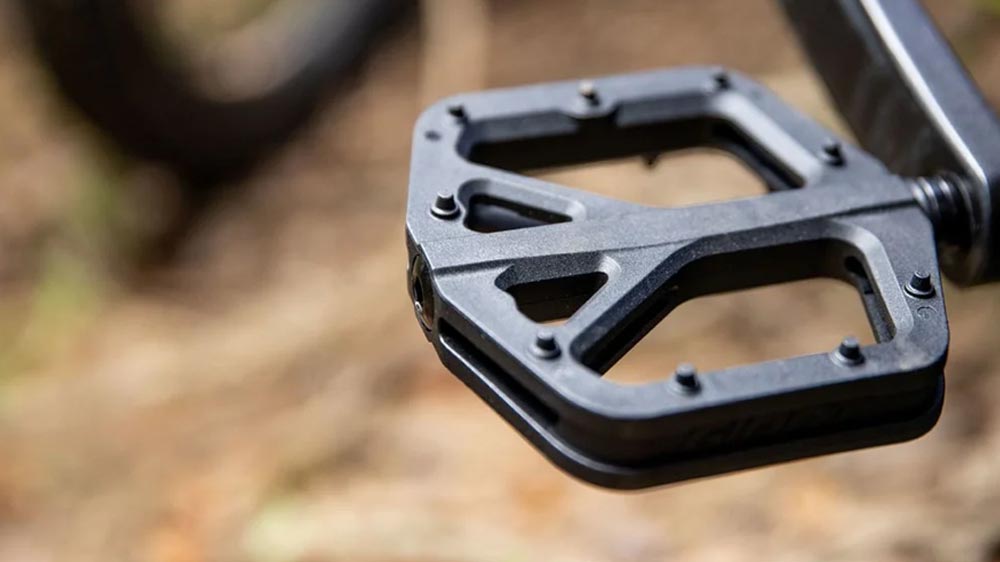 Flat pedals are simple and easy to use. Your foot rests directly on the pedal platform without being attached to it.
They are often preferred by beginners because they allow riders to put a foot down quickly when stopping. Another advantage is that they work with almost any athletic shoe. However, flat pedals provide less efficient power transfer since your foot is not fixed in place.
Clipless pedals
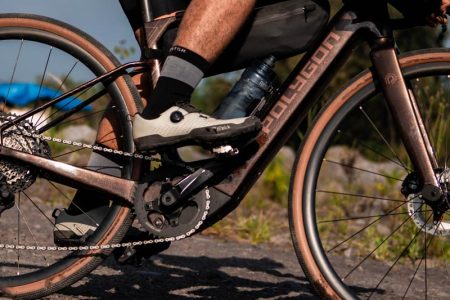
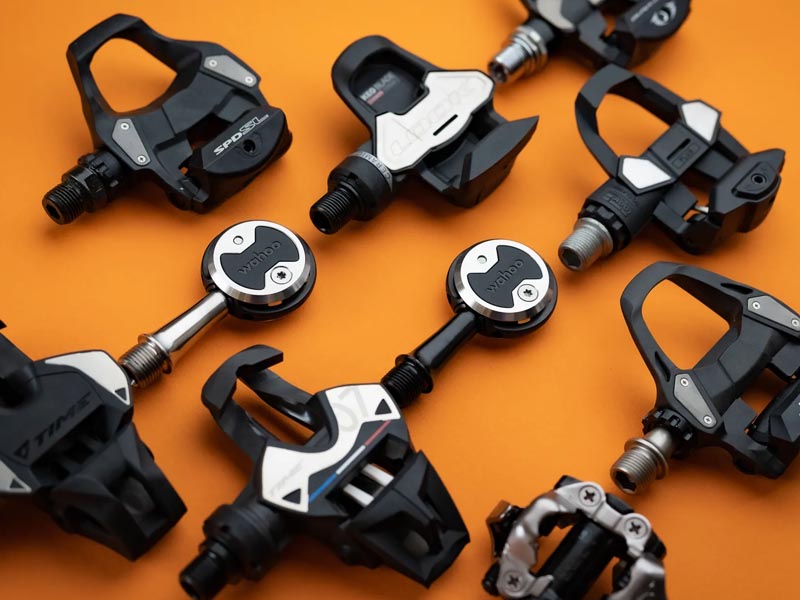
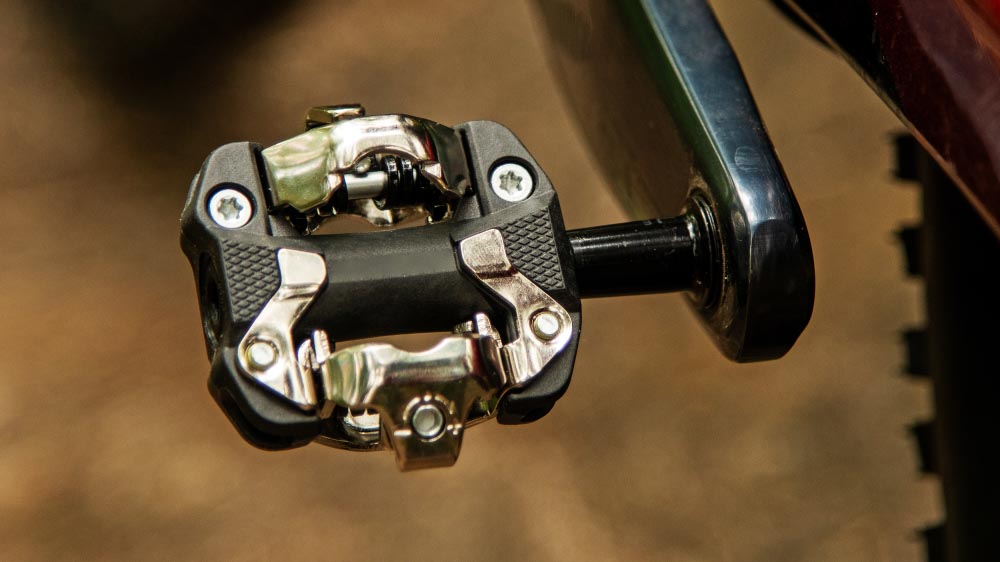 Clipless pedals use a cleat attached to a cycling shoe, allowing the rider to “clip in” to the pedal.
This system keeps the foot stable during the pedal stroke and allows power to be applied through both the downward and upward motion of pedaling. As a result, clipless pedals are generally more efficient and are commonly used for performance riding, training, and long-distance cycling.
Consider Your Riding Type
Your riding style also plays a major role in selecting the right road bike pedals.
Different riding situations may benefit from different pedal types:
- Performance or racing rides: Riders who focus on speed, training, or racing usually choose clipless road bike pedals. These pedals often feature a larger contact platform that improves stability and power transfer.
- Endurance or long-distance rides: Comfort becomes especially important on longer rides. Many cyclists prefer clipless pedals that allow some foot movement, known as float, which helps reduce pressure on the knees during extended pedaling.
- Casual rides or commuting: If your rides involve frequent stops or short distances, flat pedals can be more convenient. Some riders also prefer hybrid-style clipless pedals that make clipping in easier.
Understanding how and where you ride will help narrow down the pedal options available.
Match Road Bike Pedals With Your Cycling Shoes
Another important factor when choosing road bike pedals is compatibility with your cycling shoes.
Most clipless pedal systems use one of two common cleat patterns:
- 3-bolt cleat system: This design is typically found on dedicated road cycling shoes. It provides a wide contact area that improves pedaling efficiency and stability. Many performance-oriented road bike pedals use this system.
- 2-bolt cleat system: These cleats are smaller and often recessed into the sole of the shoe, making walking easier. They are commonly used for commuting, touring, or mixed-terrain riding.
Before buying pedals, it is always a good idea to check the bottom of your cycling shoes. The cleat pattern will determine which pedal systems are compatible.
Consider Materials, Weight, and Budget
Like many road bicycle components, road bike pedals come in a variety of materials and price levels.
Entry-level pedals often use aluminum or composite bodies, which provide good durability for everyday riding.
Higher-end pedals may include carbon fiber components to reduce weight. While lighter pedals can slightly improve performance, the difference is usually most noticeable for competitive riders.
The axle material and internal bearings also affect durability and smoothness. In many cases, mid-range pedals offer the best balance between weight, reliability, and cost. For most riders, investing in a durable and smooth-spinning pedal is more important than chasing the lightest option.
Think About Ease of Use
Ease of use is another factor that should not be overlooked when choosing road bike pedals, especially for riders who are new to clipless systems.
Some pedals allow adjustable tension, which controls how easily the cleat releases from the pedal. Beginners often benefit from starting with lower tension settings until they feel comfortable clipping in and out.
Entry style also matters. Certain pedals engage more easily, while others require a more precise motion. Taking the time to practice clipping in and out in a safe area can help build confidence quickly.
Final Thoughts
Choosing the right road bike pedals depends on several factors, including riding style, shoe compatibility, comfort, and budget. Flat pedals provide simplicity and versatility, while clipless pedals offer improved efficiency and control for more performance-focused riding.
By understanding how these systems work and matching them with your cycling shoes and riding goals, you can find pedals that make every ride smoother and more efficient.
If you want to learn more about pedal systems and how they work in detail, consider reading our Road Bike Pedals Guide for a deeper explanation of different pedal types and features.