

Protection Before Riding a BMX: Why Gear Matters More Than Style

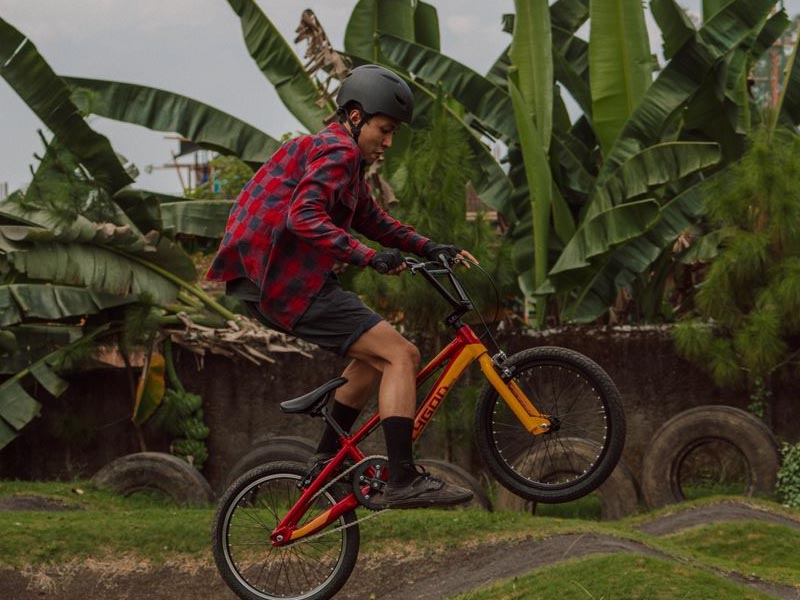
Riding A Stylish Polygon Bmx

Why Preparing Protection Gear in BMX Is Non-Negotiable?

BMX riding looks simple from the outside, but the reality is very different once the wheels start rolling. Whether it’s street riding, skatepark sessions, or learning basic tricks, BMX involves sudden movements, quick balance shifts, and unpredictable falls. When things go wrong, they usually happen fast.

That’s why protection gear in BMX is not optional. Unlike other cycling disciplines, BMX bikes are compact, rigid, and often ridden without suspension. When a crash happens, the rider absorbs most of the impact.

Proper protection doesn’t just reduce injuries, it gives riders the confidence to ride, practice, and progress safely.


What Are Some Must-Have BMX Protection Gear?

1. Helmet (Non-Negotiable)
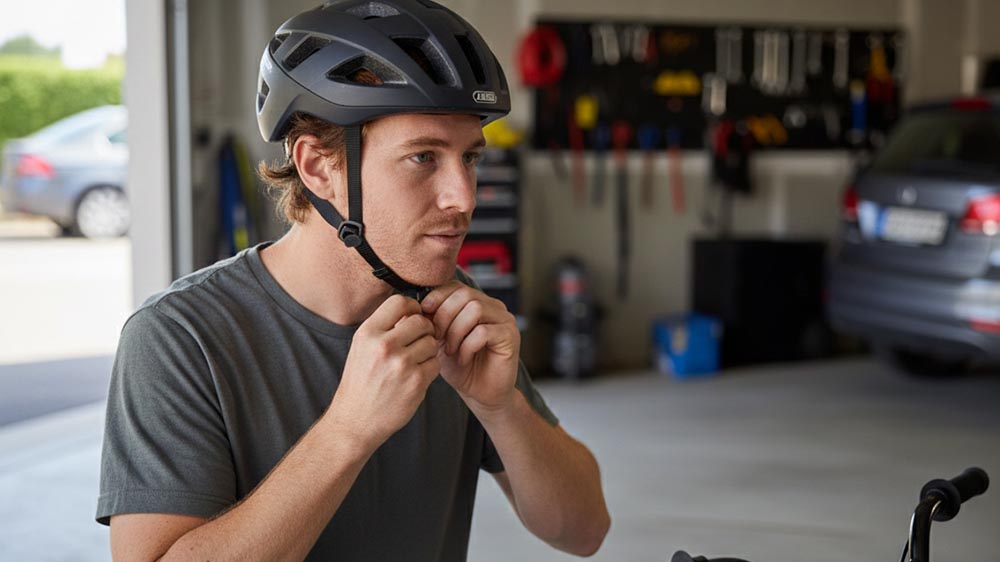
Wearing A Bmx Bike HelmetA helmet is the single most important piece of protection when riding a BMX bicycle. Head injuries are the most serious risk in BMX, especially since many falls happen backward or sideways.

What to look for:

  • Skate-style or BMX-specific helmet
  • Certified for impact protection (ASTM or CPSC)
  • Hard outer shell with EPS foam
  • Good coverage at the back of the head

Road bike helmets are not ideal for BMX riding, as they are designed for different crash angles and impacts.

2. Knee & Elbow Pads (Highly Recommended)
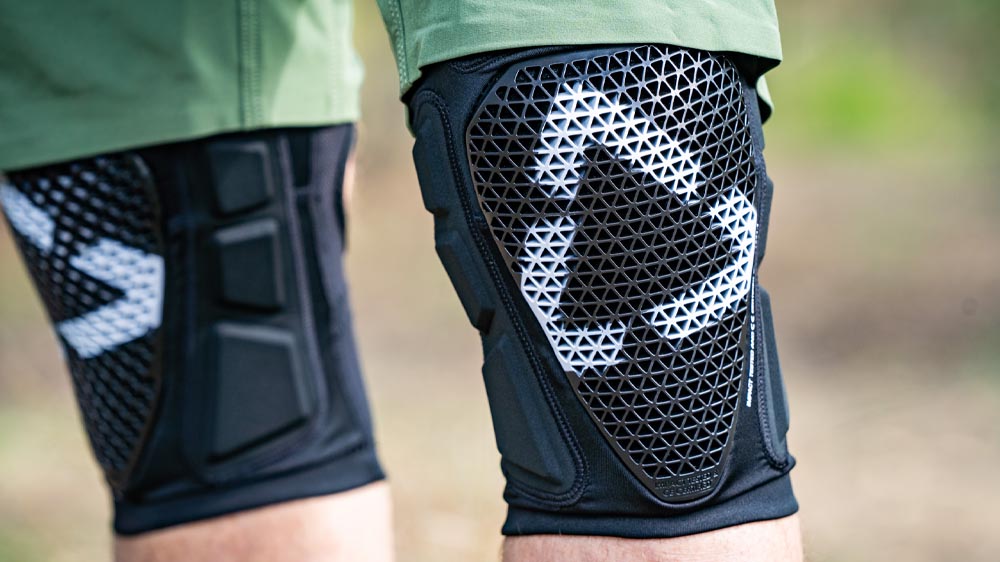
Bmx Knee &Amp; Elbow PadsKnees and elbows are among the first body parts to hit the ground during BMX crashes.

Knee pads:

  • Absorb impact during falls
  • Protect joints when learning tricks or riding ramps
  • Available in soft-shell (street/park) or hard-shell (ramps, aggressive riding)

Elbow pads:

  • Often overlooked, but highly useful in skateparks
  • Reduce the risk of deep cuts and joint injuries
  • Constructive when riding bowls or transition features

For beginners, pads make falling less intimidating and help build confidence faster.

3. Gloves (Highly Recommended)
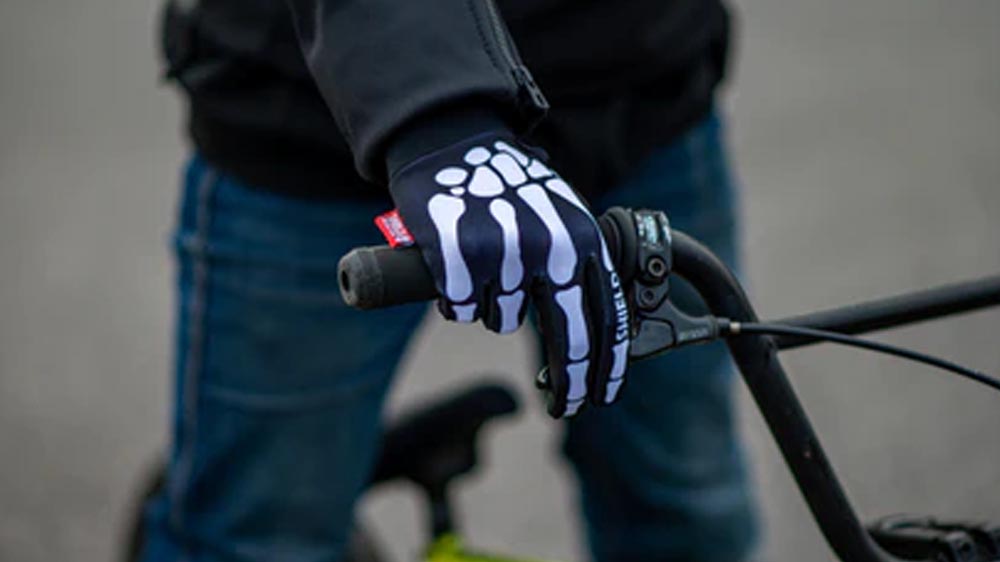
Wearing A Pair Of Bmx GlovesGloves may seem minor, but they play a big role in control and protection.

Benefits:

  • Protect palms from abrasions during falls
  • Improve grip when hands are sweaty
  • Reduce vibration fatigue on longer sessions

Lightweight BMX or MTB gloves with reinforced palms work best.

4. Proper Shoes (Essential)
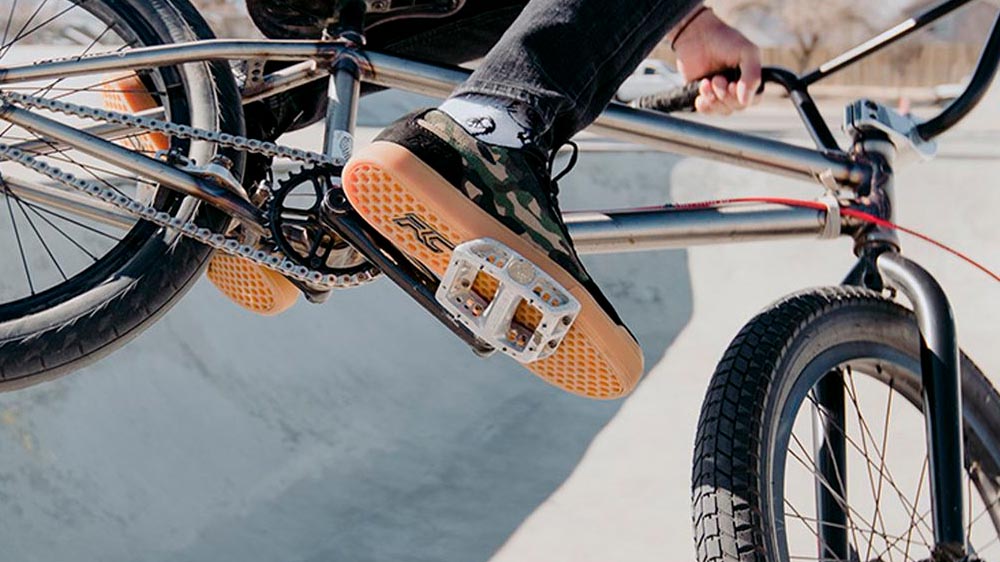
Wearing A Bmx ShoeShoes are not always considered safety gear, but in BMX, they absolutely are.

What to use:

  • Flat-soled shoes
  • Sticky rubber for strong pedal grip
  • Reinforced toe area

Avoid running shoes or sandals. Poor pedal grip increases the risk of slipping, shin injuries, and loss of control.

5. Jaw guard (Smart & Optional Gear)
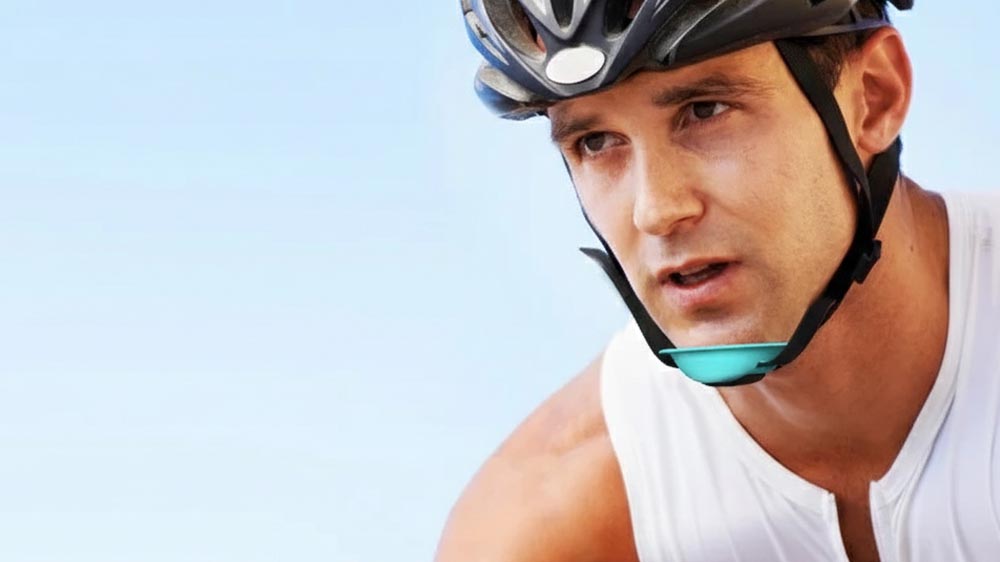
A Bmx Rider Is Wearing A MouthguardA jaw guard isn’t mandatory, but it’s a smart addition for certain riders.

Recommended if you:

  • Ride aggressively
  • Practice tricks frequently
  • Use a brakeless BMX setup

A jaw guard helps protect teeth and reduces the risk of jaw injuries during hard impacts.

6. Long Sleeves & Pants (Beginner-Friendly)
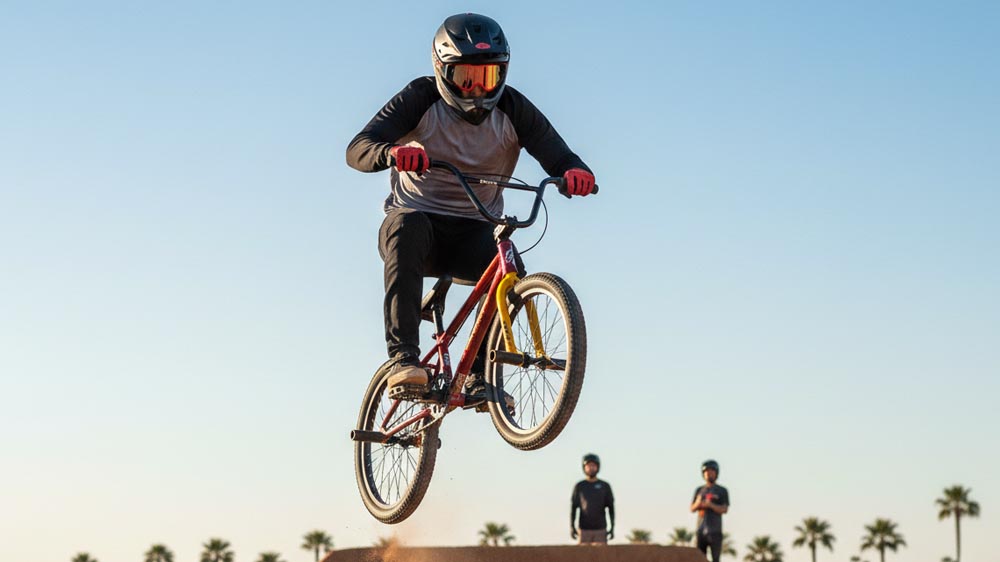
Long Sleeve &Amp; Pants: Beginner-Friendly Bmx GearLong sleeves and pants aren’t protective armor, but they help reduce skin damage during early falls.

They:

  • Minimize road rash
  • Protect skin during slides
  • Provide extra confidence for new riders

As skills improve, riders can adjust their clothing choices based on comfort and riding style.


How to Make a Quick Setup by Riding Style?

1. Beginner/Street Cruising

This setup focuses on basic protection and control for riders who are just starting or using BMX for casual street riding.

  • A helmet protects against unexpected falls
  • Gloves improve grip and comfort,
  • Proper shoes ensure stable pedal contact for better balance and control.

2. Skatepark/Learning Tricks

When riding at a skatepark or learning new tricks, falls become more frequent and impacts harder. This is what you need:

  • Helmet
  • Gloves
  • Knee pads
  • Elbow pads
  • Proper shoes

Adding knee and elbow pads helps protect joints during slips, missed landings, or bowl riding, while the rest of the setup keeps control and safety consistent.

3. Aggressive/Brakeless BMX

This setup is designed for riders pushing limits with higher speeds, bigger tricks, or brakeless setups. This is what you need:

  • Helmet
  • Knee + elbow pads
  • Gloves
  • Mouthguard
  • Strong shoes

Extra protection, like knee and elbow pads, reduces impact injuries, while a mouthguard adds protection against facial and dental damage during hard crashes.


Final Advice Before Riding a BMX

Before riding a BMX, prioritize protection over appearance. Wearing the right gear doesn’t slow progress; it helps riders stay confident, recover faster from falls, and spend more time riding instead of healing.

Start with the essentials, adjust protection as skills develop, and choose gear that matches your riding style. BMX riding naturally involves trial, error, and occasional crashes, but proper preparation makes those moments safer and more manageable.

In the long run, the goal isn’t to avoid falling entirely, but to reduce the risk of serious injury so every ride ends with the chance to ride again tomorrow.

If you’re planning to buy a BMX bike, take a moment to read our BMX buying guide to make the best decision.
What you can read next

Protection Before Riding a BMX: Why Gear Matters More Than Style

Riding A Stylish Polygon Bmx

Why Preparing Protection Gear in BMX Is Non-Negotiable?

BMX riding looks simple from the outside, but the reality is very different once the wheels start rolling. Whether it’s street riding, skatepark sessions, or learning basic tricks, BMX involves sudden movements, quick balance shifts, and unpredictable falls. When things go wrong, they usually happen fast.

That’s why protection gear in BMX is not optional. Unlike other cycling disciplines, BMX bikes are compact, rigid, and often ridden without suspension. When a crash happens, the rider absorbs most of the impact.

Proper protection doesn’t just reduce injuries, it gives riders the confidence to ride, practice, and progress safely.


What Are Some Must-Have BMX Protection Gear?

1. Helmet (Non-Negotiable)

Wearing A Bmx Bike HelmetA helmet is the single most important piece of protection when riding a BMX bicycle. Head injuries are the most serious risk in BMX, especially since many falls happen backward or sideways.

What to look for:

  • Skate-style or BMX-specific helmet
  • Certified for impact protection (ASTM or CPSC)
  • Hard outer shell with EPS foam
  • Good coverage at the back of the head

Road bike helmets are not ideal for BMX riding, as they are designed for different crash angles and impacts.

2. Knee & Elbow Pads (Highly Recommended)

Bmx Knee &Amp; Elbow PadsKnees and elbows are among the first body parts to hit the ground during BMX crashes.

Knee pads:

  • Absorb impact during falls
  • Protect joints when learning tricks or riding ramps
  • Available in soft-shell (street/park) or hard-shell (ramps, aggressive riding)

Elbow pads:

  • Often overlooked, but highly useful in skateparks
  • Reduce the risk of deep cuts and joint injuries
  • Constructive when riding bowls or transition features

For beginners, pads make falling less intimidating and help build confidence faster.

3. Gloves (Highly Recommended)

Wearing A Pair Of Bmx GlovesGloves may seem minor, but they play a big role in control and protection.

Benefits:

  • Protect palms from abrasions during falls
  • Improve grip when hands are sweaty
  • Reduce vibration fatigue on longer sessions

Lightweight BMX or MTB gloves with reinforced palms work best.

4. Proper Shoes (Essential)

Wearing A Bmx ShoeShoes are not always considered safety gear, but in BMX, they absolutely are.

What to use:

  • Flat-soled shoes
  • Sticky rubber for strong pedal grip
  • Reinforced toe area

Avoid running shoes or sandals. Poor pedal grip increases the risk of slipping, shin injuries, and loss of control.

5. Jaw guard (Smart & Optional Gear)

A Bmx Rider Is Wearing A MouthguardA jaw guard isn’t mandatory, but it’s a smart addition for certain riders.

Recommended if you:

  • Ride aggressively
  • Practice tricks frequently
  • Use a brakeless BMX setup

A jaw guard helps protect teeth and reduces the risk of jaw injuries during hard impacts.

6. Long Sleeves & Pants (Beginner-Friendly)

Long Sleeve &Amp; Pants: Beginner-Friendly Bmx GearLong sleeves and pants aren’t protective armor, but they help reduce skin damage during early falls.

They:

  • Minimize road rash
  • Protect skin during slides
  • Provide extra confidence for new riders

As skills improve, riders can adjust their clothing choices based on comfort and riding style.


How to Make a Quick Setup by Riding Style?

1. Beginner/Street Cruising

This setup focuses on basic protection and control for riders who are just starting or using BMX for casual street riding.

  • A helmet protects against unexpected falls
  • Gloves improve grip and comfort,
  • Proper shoes ensure stable pedal contact for better balance and control.

2. Skatepark/Learning Tricks

When riding at a skatepark or learning new tricks, falls become more frequent and impacts harder. This is what you need:

  • Helmet
  • Gloves
  • Knee pads
  • Elbow pads
  • Proper shoes

Adding knee and elbow pads helps protect joints during slips, missed landings, or bowl riding, while the rest of the setup keeps control and safety consistent.

3. Aggressive/Brakeless BMX

This setup is designed for riders pushing limits with higher speeds, bigger tricks, or brakeless setups. This is what you need:

  • Helmet
  • Knee + elbow pads
  • Gloves
  • Mouthguard
  • Strong shoes

Extra protection, like knee and elbow pads, reduces impact injuries, while a mouthguard adds protection against facial and dental damage during hard crashes.


Final Advice Before Riding a BMX

Before riding a BMX, prioritize protection over appearance. Wearing the right gear doesn’t slow progress; it helps riders stay confident, recover faster from falls, and spend more time riding instead of healing.

Start with the essentials, adjust protection as skills develop, and choose gear that matches your riding style. BMX riding naturally involves trial, error, and occasional crashes, but proper preparation makes those moments safer and more manageable.

In the long run, the goal isn’t to avoid falling entirely, but to reduce the risk of serious injury so every ride ends with the chance to ride again tomorrow.

If you’re planning to buy a BMX bike, take a moment to read our BMX buying guide to make the best decision.
What you can read next

Protection Before Riding a BMX: Why Gear Matters More Than Style

Riding A Stylish Polygon Bmx

Why Preparing Protection Gear in BMX Is Non-Negotiable?

BMX riding looks simple from the outside, but the reality is very different once the wheels start rolling. Whether it’s street riding, skatepark sessions, or learning basic tricks, BMX involves sudden movements, quick balance shifts, and unpredictable falls. When things go wrong, they usually happen fast.

That’s why protection gear in BMX is not optional. Unlike other cycling disciplines, BMX bikes are compact, rigid, and often ridden without suspension. When a crash happens, the rider absorbs most of the impact.

Proper protection doesn’t just reduce injuries, it gives riders the confidence to ride, practice, and progress safely.


What Are Some Must-Have BMX Protection Gear?

1. Helmet (Non-Negotiable)

Wearing A Bmx Bike HelmetA helmet is the single most important piece of protection when riding a BMX bicycle. Head injuries are the most serious risk in BMX, especially since many falls happen backward or sideways.

What to look for:

  • Skate-style or BMX-specific helmet
  • Certified for impact protection (ASTM or CPSC)
  • Hard outer shell with EPS foam
  • Good coverage at the back of the head

Road bike helmets are not ideal for BMX riding, as they are designed for different crash angles and impacts.

2. Knee & Elbow Pads (Highly Recommended)

Bmx Knee &Amp; Elbow PadsKnees and elbows are among the first body parts to hit the ground during BMX crashes.

Knee pads:

  • Absorb impact during falls
  • Protect joints when learning tricks or riding ramps
  • Available in soft-shell (street/park) or hard-shell (ramps, aggressive riding)

Elbow pads:

  • Often overlooked, but highly useful in skateparks
  • Reduce the risk of deep cuts and joint injuries
  • Constructive when riding bowls or transition features

For beginners, pads make falling less intimidating and help build confidence faster.

3. Gloves (Highly Recommended)

Wearing A Pair Of Bmx GlovesGloves may seem minor, but they play a big role in control and protection.

Benefits:

  • Protect palms from abrasions during falls
  • Improve grip when hands are sweaty
  • Reduce vibration fatigue on longer sessions

Lightweight BMX or MTB gloves with reinforced palms work best.

4. Proper Shoes (Essential)

Wearing A Bmx ShoeShoes are not always considered safety gear, but in BMX, they absolutely are.

What to use:

  • Flat-soled shoes
  • Sticky rubber for strong pedal grip
  • Reinforced toe area

Avoid running shoes or sandals. Poor pedal grip increases the risk of slipping, shin injuries, and loss of control.

5. Jaw guard (Smart & Optional Gear)

A Bmx Rider Is Wearing A MouthguardA jaw guard isn’t mandatory, but it’s a smart addition for certain riders.

Recommended if you:

  • Ride aggressively
  • Practice tricks frequently
  • Use a brakeless BMX setup

A jaw guard helps protect teeth and reduces the risk of jaw injuries during hard impacts.

6. Long Sleeves & Pants (Beginner-Friendly)

Long Sleeve &Amp; Pants: Beginner-Friendly Bmx GearLong sleeves and pants aren’t protective armor, but they help reduce skin damage during early falls.

They:

  • Minimize road rash
  • Protect skin during slides
  • Provide extra confidence for new riders

As skills improve, riders can adjust their clothing choices based on comfort and riding style.


How to Make a Quick Setup by Riding Style?

1. Beginner/Street Cruising

This setup focuses on basic protection and control for riders who are just starting or using BMX for casual street riding.

  • A helmet protects against unexpected falls
  • Gloves improve grip and comfort,
  • Proper shoes ensure stable pedal contact for better balance and control.

2. Skatepark/Learning Tricks

When riding at a skatepark or learning new tricks, falls become more frequent and impacts harder. This is what you need:

  • Helmet
  • Gloves
  • Knee pads
  • Elbow pads
  • Proper shoes

Adding knee and elbow pads helps protect joints during slips, missed landings, or bowl riding, while the rest of the setup keeps control and safety consistent.

3. Aggressive/Brakeless BMX

This setup is designed for riders pushing limits with higher speeds, bigger tricks, or brakeless setups. This is what you need:

  • Helmet
  • Knee + elbow pads
  • Gloves
  • Mouthguard
  • Strong shoes

Extra protection, like knee and elbow pads, reduces impact injuries, while a mouthguard adds protection against facial and dental damage during hard crashes.


Final Advice Before Riding a BMX

Before riding a BMX, prioritize protection over appearance. Wearing the right gear doesn’t slow progress; it helps riders stay confident, recover faster from falls, and spend more time riding instead of healing.

Start with the essentials, adjust protection as skills develop, and choose gear that matches your riding style. BMX riding naturally involves trial, error, and occasional crashes, but proper preparation makes those moments safer and more manageable.

In the long run, the goal isn’t to avoid falling entirely, but to reduce the risk of serious injury so every ride ends with the chance to ride again tomorrow.

If you’re planning to buy a BMX bike, take a moment to read our BMX buying guide to make the best decision.

What you can read next

Protection Before Riding a BMX: Why Gear Matters More Than Style

Riding A Stylish Polygon Bmx

Why Preparing Protection Gear in BMX Is Non-Negotiable?

BMX riding looks simple from the outside, but the reality is very different once the wheels start rolling. Whether it’s street riding, skatepark sessions, or learning basic tricks, BMX involves sudden movements, quick balance shifts, and unpredictable falls. When things go wrong, they usually happen fast.

That’s why protection gear in BMX is not optional. Unlike other cycling disciplines, BMX bikes are compact, rigid, and often ridden without suspension. When a crash happens, the rider absorbs most of the impact.

Proper protection doesn’t just reduce injuries, it gives riders the confidence to ride, practice, and progress safely.


What Are Some Must-Have BMX Protection Gear?

1. Helmet (Non-Negotiable)

Wearing A Bmx Bike HelmetA helmet is the single most important piece of protection when riding a BMX bicycle. Head injuries are the most serious risk in BMX, especially since many falls happen backward or sideways.

What to look for:

  • Skate-style or BMX-specific helmet
  • Certified for impact protection (ASTM or CPSC)
  • Hard outer shell with EPS foam
  • Good coverage at the back of the head

Road bike helmets are not ideal for BMX riding, as they are designed for different crash angles and impacts.

2. Knee & Elbow Pads (Highly Recommended)

Bmx Knee &Amp; Elbow PadsKnees and elbows are among the first body parts to hit the ground during BMX crashes.

Knee pads:

  • Absorb impact during falls
  • Protect joints when learning tricks or riding ramps
  • Available in soft-shell (street/park) or hard-shell (ramps, aggressive riding)

Elbow pads:

  • Often overlooked, but highly useful in skateparks
  • Reduce the risk of deep cuts and joint injuries
  • Constructive when riding bowls or transition features

For beginners, pads make falling less intimidating and help build confidence faster.

3. Gloves (Highly Recommended)

Wearing A Pair Of Bmx GlovesGloves may seem minor, but they play a big role in control and protection.

Benefits:

  • Protect palms from abrasions during falls
  • Improve grip when hands are sweaty
  • Reduce vibration fatigue on longer sessions

Lightweight BMX or MTB gloves with reinforced palms work best.

4. Proper Shoes (Essential)

Wearing A Bmx ShoeShoes are not always considered safety gear, but in BMX, they absolutely are.

What to use:

  • Flat-soled shoes
  • Sticky rubber for strong pedal grip
  • Reinforced toe area

Avoid running shoes or sandals. Poor pedal grip increases the risk of slipping, shin injuries, and loss of control.

5. Jaw guard (Smart & Optional Gear)

A Bmx Rider Is Wearing A MouthguardA jaw guard isn’t mandatory, but it’s a smart addition for certain riders.

Recommended if you:

  • Ride aggressively
  • Practice tricks frequently
  • Use a brakeless BMX setup

A jaw guard helps protect teeth and reduces the risk of jaw injuries during hard impacts.

6. Long Sleeves & Pants (Beginner-Friendly)

Long Sleeve &Amp; Pants: Beginner-Friendly Bmx GearLong sleeves and pants aren’t protective armor, but they help reduce skin damage during early falls.

They:

  • Minimize road rash
  • Protect skin during slides
  • Provide extra confidence for new riders

As skills improve, riders can adjust their clothing choices based on comfort and riding style.


How to Make a Quick Setup by Riding Style?

1. Beginner/Street Cruising

This setup focuses on basic protection and control for riders who are just starting or using BMX for casual street riding.

  • A helmet protects against unexpected falls
  • Gloves improve grip and comfort,
  • Proper shoes ensure stable pedal contact for better balance and control.

2. Skatepark/Learning Tricks

When riding at a skatepark or learning new tricks, falls become more frequent and impacts harder. This is what you need:

  • Helmet
  • Gloves
  • Knee pads
  • Elbow pads
  • Proper shoes

Adding knee and elbow pads helps protect joints during slips, missed landings, or bowl riding, while the rest of the setup keeps control and safety consistent.

3. Aggressive/Brakeless BMX

This setup is designed for riders pushing limits with higher speeds, bigger tricks, or brakeless setups. This is what you need:

  • Helmet
  • Knee + elbow pads
  • Gloves
  • Mouthguard
  • Strong shoes

Extra protection, like knee and elbow pads, reduces impact injuries, while a mouthguard adds protection against facial and dental damage during hard crashes.


Final Advice Before Riding a BMX

Before riding a BMX, prioritize protection over appearance. Wearing the right gear doesn’t slow progress; it helps riders stay confident, recover faster from falls, and spend more time riding instead of healing.

Start with the essentials, adjust protection as skills develop, and choose gear that matches your riding style. BMX riding naturally involves trial, error, and occasional crashes, but proper preparation makes those moments safer and more manageable.

In the long run, the goal isn’t to avoid falling entirely, but to reduce the risk of serious injury so every ride ends with the chance to ride again tomorrow.

If you’re planning to buy a BMX bike, take a moment to read our BMX buying guide to make the best decision.

What you can read next

Compare List 0
Compare List
Where Do
You Live?