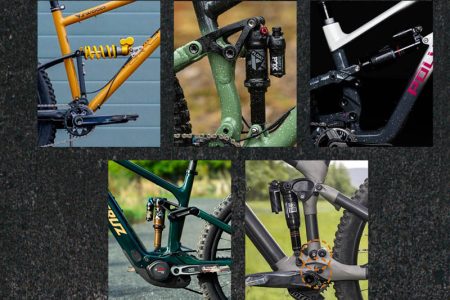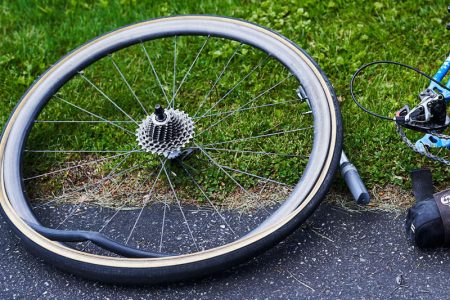







Watch any World Cup downhill run and you’ll notice something: every rider’s bike looks slightly different, even on the same model. Suspension sag, tire pressure, cockpit angles, these small adjustments separate a bike that simply works from one that disappears beneath the rider.
The Polygon UR Team, founded by ex-World Cup racer Fabien Cousinié and home to riders like Mick and Tracey Hannah, Kenta Gallagher, Sam Reynolds, and 2017 Lourdes WC winner Alex Fayolle, is known for an unconventional, engineering-led approach to setup.
With a strong engineering background, Cousinié takes a notably different approach to component choice than most World Cup teams, opting for suspension, drivetrain, and brake partners outside the usual major sponsors.
We break down the core setup principles used by professional riders, and show you how to apply the same thinking to your own Polygon mountain bike.
1. Suspension Setup: Sag, Rebound, and Compression
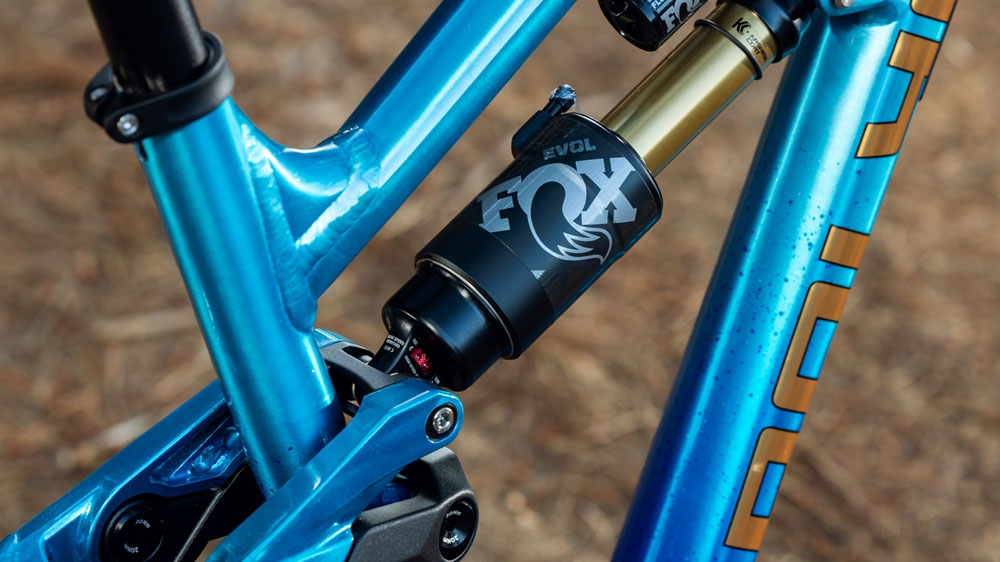
Sag is the foundation of every suspension setup. From our official suspension guide, a good starting point is setting fork pressure to roughly your body weight (in kg) and rear shock pressure to your weight multiplied by 2.5, then fine-tuning sag from there in your full riding kit.
For rebound, we recommend a simple trick: turn the rebound knob fully toward the “minus” sign to remove all damping, count the total clicks back to “plus,” then return halfway as a baseline.
2. Tire Pressure: The Bike’s First Suspension Layer
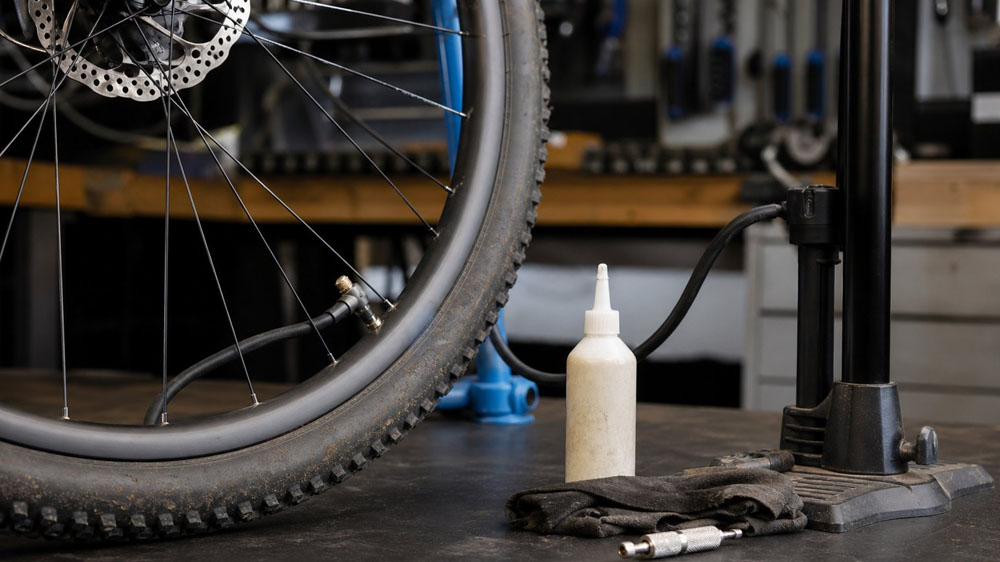
From our tire pressure guide, tires act as the bike’s first line of suspension, and getting pressure wrong in either direction increases risk. Running pressure too high transfers trail chatter directly into the rider’s hands and arms, causing faster fatigue, especially on long or technical rides.
Running pressure too low increases the chance of pinch flats, rim strikes, or tubeless burping, while pressure that’s too high reduces impact absorption and can damage rims.
The goal, per Polygon’s guide, is a pressure that lets the tire conform to roots, rocks, and ruts rather than bouncing off them, a balance that matters as much for XC riders as it does for enduro and trail riders.
Practical takeaway: If you’re running tubeless (standard on most Polygon mountain bikes), dial pressure in small 1–2 PSI increments. Heavier or more aggressive riders should lean toward the higher end of the recommended range for impact protection.
3. Component Choice: Think Like an Engineer, Not Just a Spec Sheet
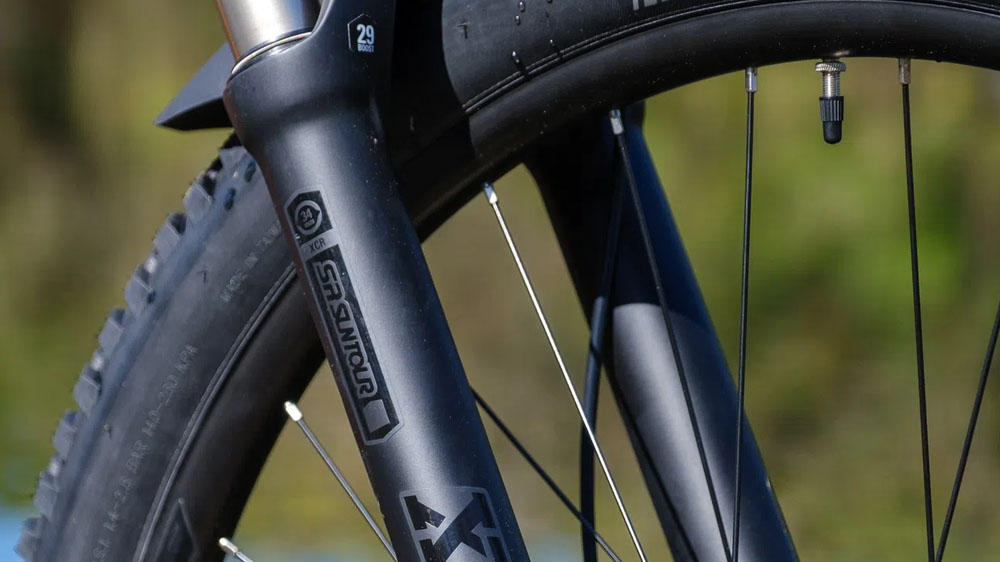
One of the most distinctive things about the Polygon UR Team’s approach is that they don’t simply chase the “biggest name” components. The team runs SR Suntour suspension up front, a brand that has earned Red Bull Rampage and World Cup DH wins, alongside Box drivetrain components and Trickstuff brakes, a combination almost no other World Cup team uses.
The lesson for everyday riders is that componentry should match how and where you ride, not just brand prestige. Polygon’s own engineering-driven philosophy, visible in builds like the Collosus TLE’s IFS-6 Six-Bar suspension system, reflects this same approach, a six-bar linkage design that gives engineers greater control over anti-squat values, resulting in a more efficient pedaling platform.
Practical takeaway: When upgrading components, prioritize how a part performs for your terrain and riding style over brand recognition alone.
4. Cockpit Setup: Bar Width, Stem Length, and Lever Angles
Cockpit position affects control more than most riders realize. Professional setups generally favor:
- Wider handlebars for stability and leverage at speed
- Shorter stems to quicken steering response over technical terrain
- Brake lever angle rotated to match the natural wrist angle when standing on the pedals, improving control on steep descents
Practical takeaway: Stand in your normal attack position and check where your fingers naturally fall on the brake lever. Adjust lever angle and reach until braking feels effortless.
5. Suspension Setup on Modern Polygon Frames
Newer Polygon platforms are designed with setup accessibility in mind. The Collosus TLE mountain bike, for example, tucks its rear shock tight against the top tube with a dedicated access hole for easier sag setup.
This kind of design detail, small but meaningful, reflects the same priority professional teams place on being able to quickly adjust and re-test suspension between runs.
Practical takeaway: Familiarize yourself with your frame’s sag-setup access points before race day or a big ride, fumbling with shock pumps mid-trail wastes time pros never waste.
Bringing It All Together: Setup Is Personal
The biggest lesson from the Polygon UR Team’s approach isn’t a single magic number, it’s the mindset. Rather than defaulting to proven, off-the-shelf setups, the team treats every component choice as an engineering decision based on what actually performs best for their riders.
Your Polygon mountain bike was built with that same adjustability in mind. Whether you’re fine-tuning suspension sag on your Siskiu, dialing in tire pressure on your Xtrada, or exploring the IFS-6 platform on your Collosus MTB, the goal is the same: a bike that fits you.
Read also: MTB 101 Comprehensive Guide