


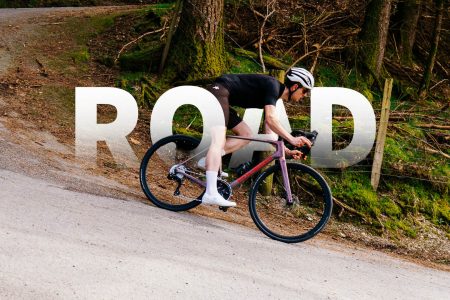

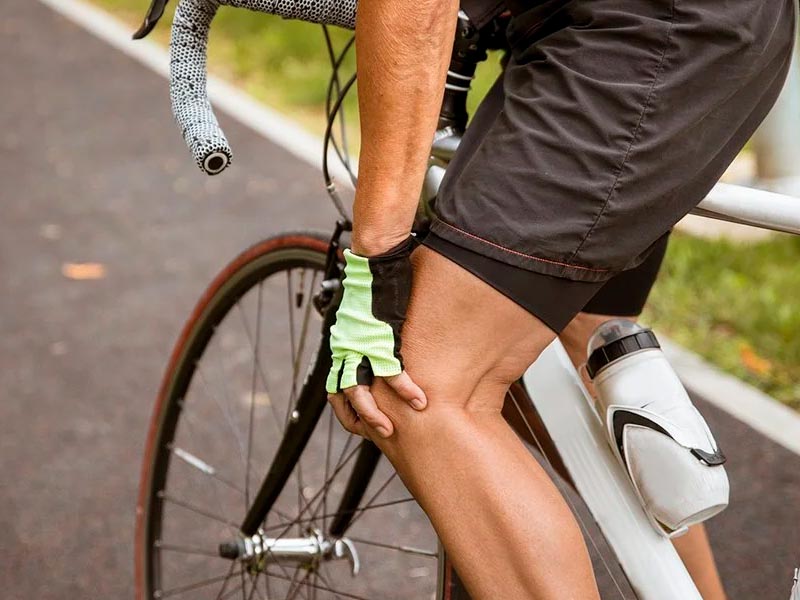
Preventing knee pain in road cycling usually starts with adjusting your road bike fit and managing training load. Because every pedal stroke repeats the same movement thousands of times, small setup errors can gradually create discomfort.
For most riders, a few careful changes to saddle position, cadence, and cleat setup can make riding a road bike feel much smoother and more sustainable over long distances.
What are the Key Prevention Strategies for Road Cycling?
1. Warm Up Before Riding
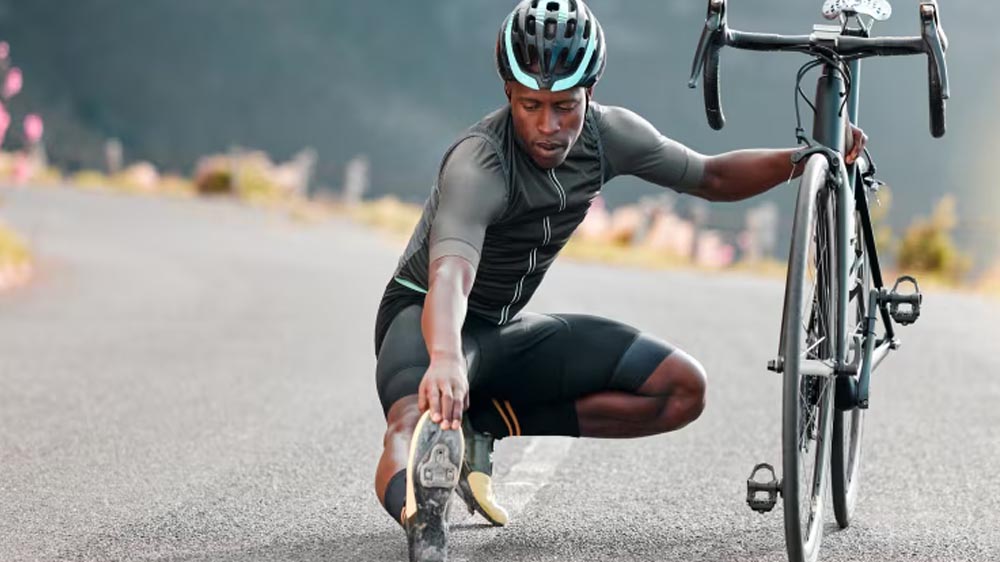 A proper warm-up helps prepare the muscles and joints before intensity increases. Starting too hard on a cold body often makes the knees absorb unnecessary stress.
Begin with 10 to 15 minutes of easy spinning in a light gear before pushing pace, climbing, or sprinting. This gradually increases blood flow and helps your pedaling motion feel more natural once effort builds.
2. Optimize Your Saddle Height
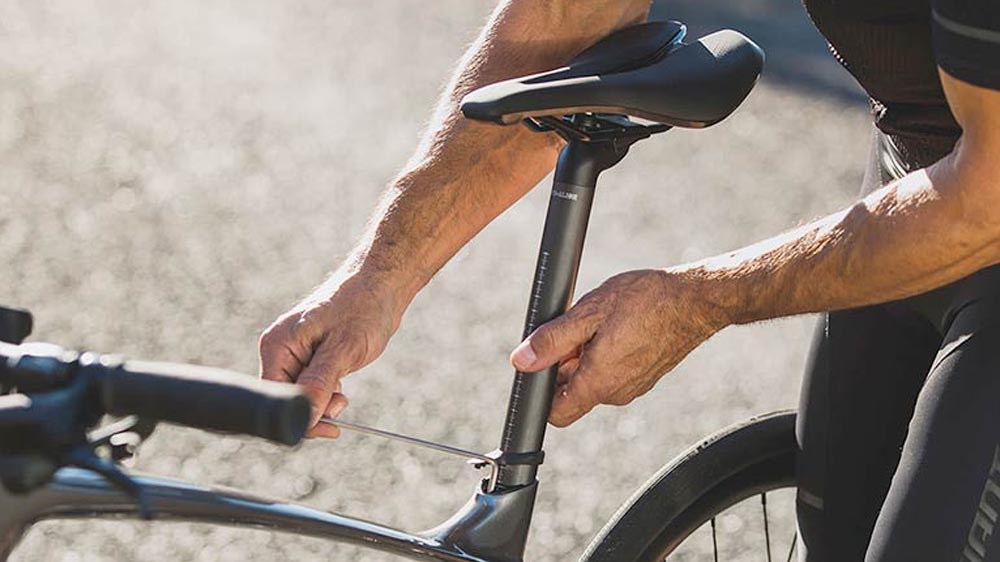 Saddle height is one of the most common causes of knee discomfort on a road bicycle. If the saddle sits too low, the knee stays too bent at the bottom of the pedal stroke, increasing pressure around the kneecap. If it is too high, the leg overextends and can strain the tendons behind the knee.
A simple starting point is the heel test: place your heel on the road bike pedal at the lowest point of the stroke. Your leg should become nearly straight. When clipped in normally, your knee should then keep a slight bend of around 25 to 35 degrees.
Not sure which road bike saddle is right for you? Discover the types, features, and expert tips on choosing the perfect one. Read the full guide here!
3. Check Cleat Alignment and Float
For riders using clipless pedals, cleat alignment directly affects how the knee tracks during pedaling. If the cleat angle forces your heels inward or outward unnaturally, the knee can experience lateral stress.
It is usually best to set cleats so your feet sit in their natural walking position. Cleats with more float also help because they allow slight foot movement while pedaling, reducing pressure on the joint. This is especially useful for riders increasing mileage or adapting to a new road bike fit.
Want to take your road cycling experience to the next level? Start with the right pedals! Learn everything about road bike pedal types and why choosing the right one matters. Read the guide here!
4. Maintain a Higher Cadence
Pushing a heavy gear at low cadence creates high torque through the knee joint. A smoother way to protect the knees is to maintain a cadence of around 80 to 90 rpm, especially during steady riding.
Using an easier gear shifts more of the workload to your cardiovascular system rather than forcing the joint to absorb repeated heavy loads. Road bike riders often notice that knee comfort improves when they focus on spinning rather than grinding.
5. Increase Intensity Gradually
Sudden jumps in distance, climbing volume, or interval intensity often trigger knee pain even when the bike fit is correct. The body adapts best when the load increases progressively.
A practical rule is to increase weekly training volume gradually rather than making sharp changes. This gives muscles, tendons, and joints time to adapt, especially for riders returning after a break or moving to longer rides on the best road bikes designed for performance.
Common Pain Locations and Their Causes
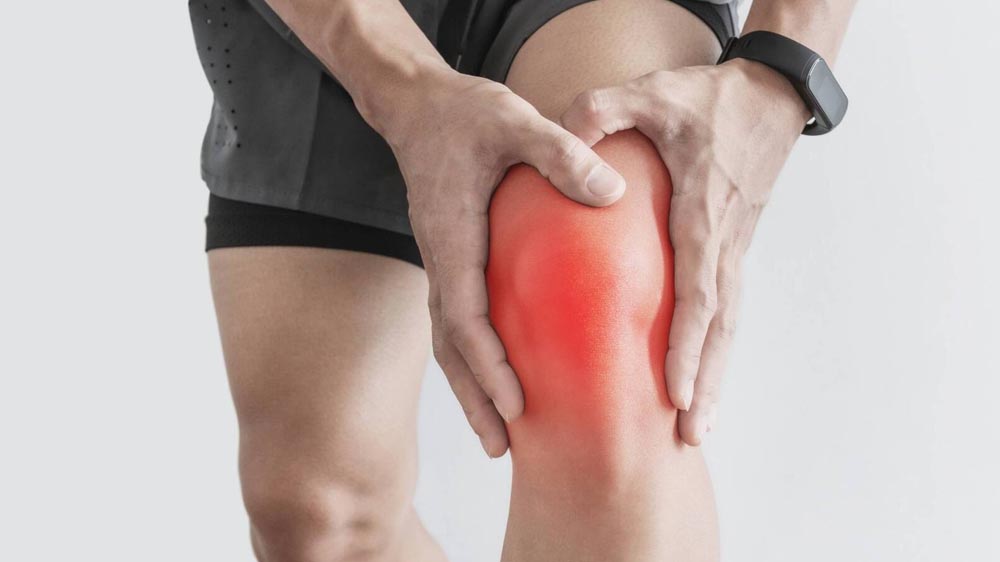 1. Front Knee Pain
Pain at the front of the knee usually points to a saddle that is too low or too far forward. This increases pressure on the patella during each pedal stroke. Raising the saddle slightly or moving it back often reduces this type of discomfort.
2. Back Knee Pain
Pain behind the knee is often linked to overextension. A saddle that is too high forces the leg to reach too far at the bottom of the stroke, irritating the tendons behind the joint. Lowering the saddle slightly usually helps restore a more natural movement pattern.
3. Inner or Outer Knee Pain
Pain on the inside or outside of the knee often comes from the cleat position. If the foot is forced too wide or too narrow, the knee no longer tracks naturally. Small cleat adjustments can make a noticeable difference. Road bike riders should make changes gradually, because even a few millimeters can alter how the joint feels during longer rides.
Conclusion
Most knee pain in road cycling is preventable when contact points are adjusted carefully, and training load is controlled.
Saddle height, cleat position, cadence, and warm-up habits all influence how the knee handles repeated effort. A properly fitted road bike not only improves comfort but also helps riders stay consistent and enjoy longer rides with fewer interruptions from pain.
Read also: