






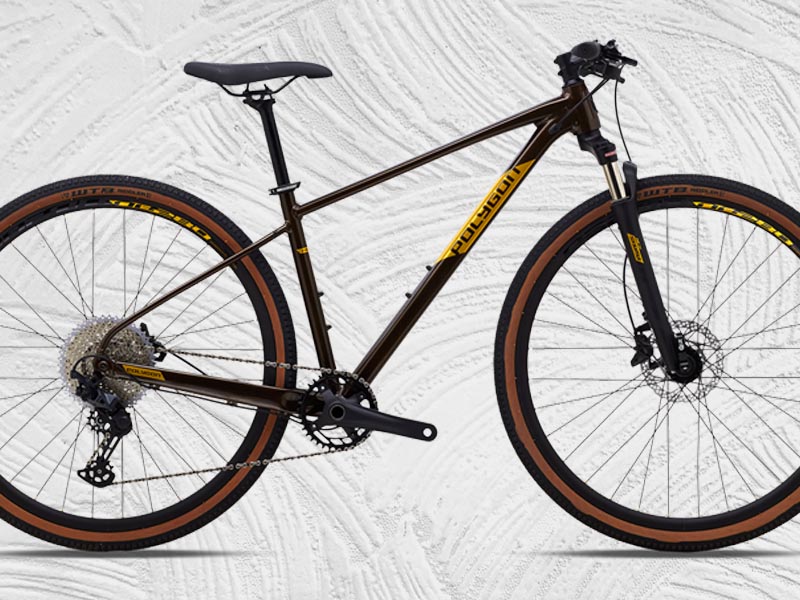
Hybrid bikes are often chosen for practical reasons: commuting, fitness riding, or casual weekend trips, yet the one aspect that truly defines how they feel is rarely discussed: hybrid bike geometry.
Most riders focus on components or wheel size, overlooking the fact that geometry is what determines comfort, stability, and confidence on the bike. Unlike road bikes that prioritize speed, or mountain bikes built for technical terrain, hybrid bikes are designed around how people actually ride in everyday conditions.
That’s why understanding hybrid bike geometry matters. It explains why hybrid bikes feel approachable, forgiving, and easy to live with, especially for riders who want a single bike that fits naturally into daily life.
The Philosophy Behind Hybrid Bike Geometry
 At its core, hybrid bike geometry is built on a simple philosophy: combine the efficiency of road bikes with the control and stability of mountain bikes, without leaning too far into either extreme.
From road bikes, hybrids borrow pedaling efficiency, smooth rolling, and responsiveness on pavement. From mountain bikes, they adopt stability, wider tire compatibility, and a more relaxed riding posture. The result is a geometry that feels balanced, fast enough to stay efficient, yet comfortable and controlled enough for city streets, bike paths, and uneven roads.
This blend of DNA is what allows hybrid bikes to adapt so well to varied riding conditions without asking the rider to adapt too much in return.
Key Geometry Features That Make Hybrid Bike Frames “Special”
Upright Riding Position
One of the most defining traits of hybrid bike geometry is its upright riding position. This is achieved through a taller head tube and a shorter top tube compared to road bikes.
This position:
- Reduces strain on the lower back, neck, and wrists
- Improves visibility in traffic
- Feels more natural for casual riders and commuters
It’s a comfort-first approach that makes long rides and daily use more sustainable.
Slacker Head Tube Angle for Better Stability
Hybrid bikes typically use a slightly slacker head tube angle than road bikes.
What does this change on the road:
- Steering feels calmer and more predictable
- Straight-line stability improves
- The bike feels less twitchy, especially at lower speeds
This makes hybrids easier to control for new riders and more reassuring in urban environments, without feeling slow or unresponsive.
Longer Wheelbase for Confidence and Balance
A longer wheelbase is another key element of hybrid bike geometry.
The benefits are clear:
- Better balance at low speeds
- Smoother handling on rough pavement
- Increased stability when carrying racks, panniers, or child seats
For commuters and utility riders, this geometry detail adds confidence in real-world riding scenarios.
Lower Standover Height for Easy Mounting
Many hybrid bikes feature a lower standover height and a slightly lower overall ride height compared to mountain bikes.
Why it matters:
- Easier mounting and dismounting
- Lower center of gravity for improved control
- More beginner-friendly in stop-and-go traffic
This is especially helpful for riders who prioritize convenience and everyday usability.
Frame Clearance for Wider Tires
Hybrid frames are designed with generous tire clearance, typically supporting tires in the 32–45mm range.
This allows:
- More comfort on uneven surfaces
- Lower tire pressure for better grip
- Improved confidence on wet roads, gravel paths, and bike lanes
This part of hybrid bike geometry supports versatility without pushing into full gravel-bike territory.
How Hybrid Bike Geometry Benefits Different Types of Riders
 Because hybrid bike geometry is designed around balance rather than extremes, it works well for a wide range of riders with different needs and experience levels.
For commuters, the upright riding position and stable handling make daily rides more comfortable and predictable, especially in traffic and stop-and-go conditions. The longer wheelbase and slacker steering help keep the bike steady when carrying bags or navigating uneven roads.
Fitness riders benefit from geometry that allows efficient pedaling without forcing an aggressive posture. Hybrid bikes make it easier to maintain consistent effort over longer distances, which is ideal for riders focused on health, endurance, and regular exercise rather than speed records.
Casual and leisure riders often appreciate how intuitive hybrid bikes feel. The lower standover height, relaxed geometry, and flat handlebar setup reduce intimidation, making it easier to enjoy riding without worrying about balance or control.
For riders returning to cycling after a long break, hybrid bike geometry provides a forgiving entry point. It offers comfort, confidence, and adaptability, allowing riders to rebuild skills and fitness without the physical demands of race-oriented bikes.
Common Misconceptions About Hybrid Bike Geometry
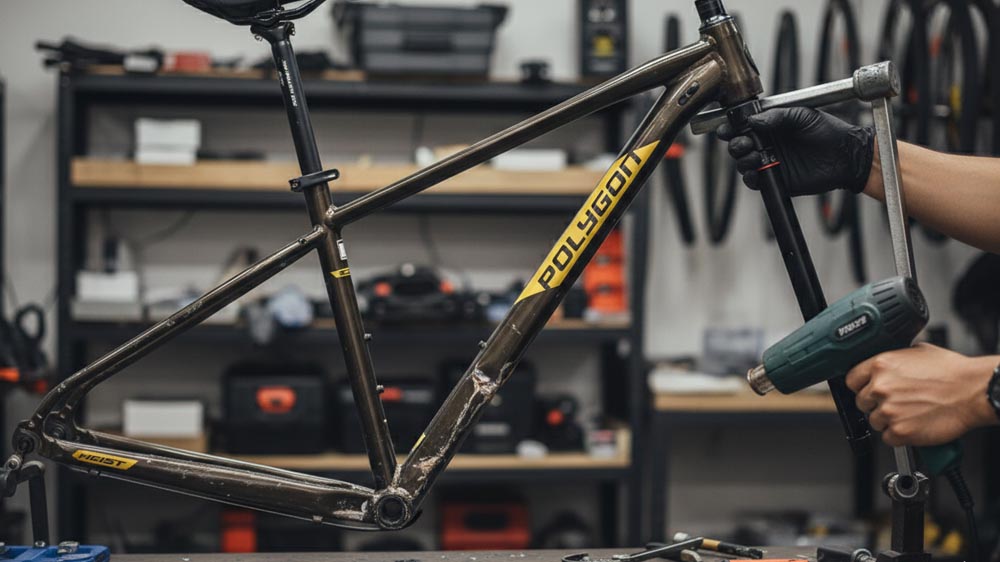 One common misconception is that hybrid bike geometry is simply a “compromise” between road and mountain bikes. In reality, it is purpose-built for everyday riding, prioritizing comfort, stability, and usability over specialized performance.
Another misunderstanding is that hybrid bikes are only suitable for beginners. While they are beginner-friendly, many experienced riders choose hybrids for commuting, fitness riding, or utility use because the geometry reduces fatigue and increases control in real-world conditions.
Some riders also assume that a more upright geometry means poor efficiency. In practice, hybrid bike geometry still supports effective pedaling and smooth rolling; it simply avoids the aggressive positioning that isn’t necessary for non-competitive riding.
Read also: Smart Hybrid Bike Buying Guide
Conclusion
Hybrid bikes stand out not because they dominate a single riding category, but because their geometry is built around how people actually ride day to day. Hybrid bike geometry prioritizes comfort, stability, and control, qualities that matter most when cycling is part of a daily routine rather than a race or a technical trail challenge.
By combining key elements from road and mountain bike design, hybrid geometry delivers a riding position that feels natural, forgiving, and adaptable across different situations. This balance is what makes hybrid bikes such a reliable choice for commuting, fitness rides, and casual exploration around the city.
If that kind of versatility sounds like what you’re looking for, it’s worth taking a closer look at the latest hybrid bikes from Polygon. Designed with modern riders in mind, Polygon’s newest hybrid lineup reflects everything discussed here: thoughtful geometry, everyday comfort, and practical performance, making them a solid option for riders who want one bike that truly fits their lifestyle.