

How to Change a Gravel Bike Tire?
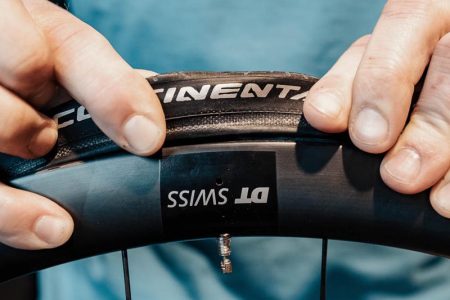
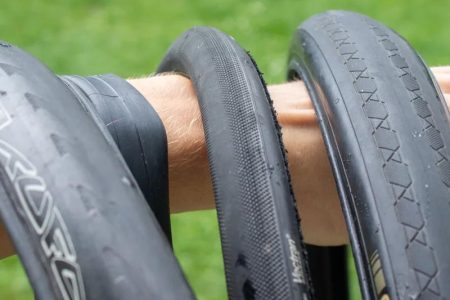
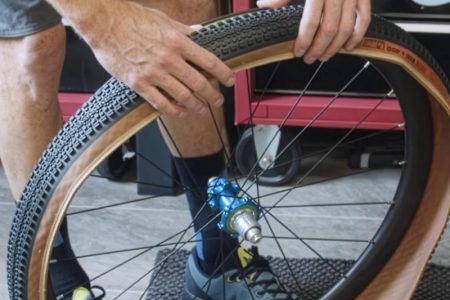
Changing a gravel bike tire is a basic but important skill every rider should master. Gravel bikes tackle mixed surfaces, from pavement to dirt and rocky trails, which means tires…

A suspension gravel bike is basically a gravel bike that gets a bit of “shock-absorption help” to smooth out rough terrain. It combines the versatility of a gravel bicycle with…
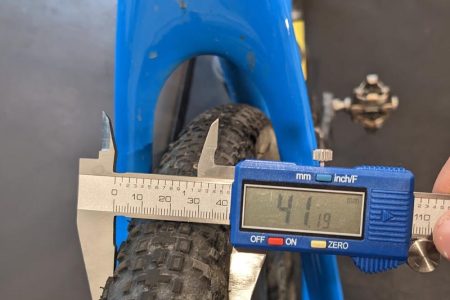
Gravel bike tire clearance defines the maximum tire width a frame and fork can accommodate, typically ranging from 35 mm to over 50 mm, with 40–45 mm considered the modern…
Yes — but only on very mild, smooth surfaces. A road bike can go off-road, but only in a minimal sense. Think smooth, hard-packed dirt or fine, compact gravel—not real…
Road bike speed depends entirely on who is pedaling and where they’re riding. A casual rider on flat pavement will cruise comfortably, while a trained cyclist in a fast group…
Changing a road bike tire is mandatory—not optional. A road bike tire is a wear component that directly affects safety, comfort, and performance. No matter how advanced a road bicycle…
The difference between tubed and tubeless road bike tires comes down to how air is held and how flats are handled. Tubed tires use an inner tube to hold air,…
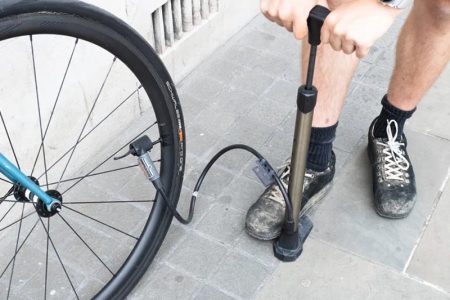
To inflate a road bike tire, you only need to understand two things: the type of valve your tire uses and the pressure it requires. Once those are clear, inflating…
Choosing the right road bike sizing directly affects how a rider performs, feels, and progresses on the bike. A properly sized road bike feels smooth, efficient, and controlled, while the…