


On a multi-day bikepacking trip, you can burn 400–800+ calories per hour depending on terrain and pace, pushing daily needs beyond 3,000–5,000+ calories.
The goal isn’t just eating more, but choosing calorie-dense, durable foods that are easy to carry. Options like nut butters, trail mix, cheese, and dehydrated meals help maintain energy without adding unnecessary weight, making them ideal for sustaining performance and efficiency over several days on the bike.
Essential Bikepacking Nutrition Strategies
Getting bikepacking nutrition right is less about strict diet rules and more about balancing energy, weight, and practicality.
1. Focus on Calories, Not Just Weight
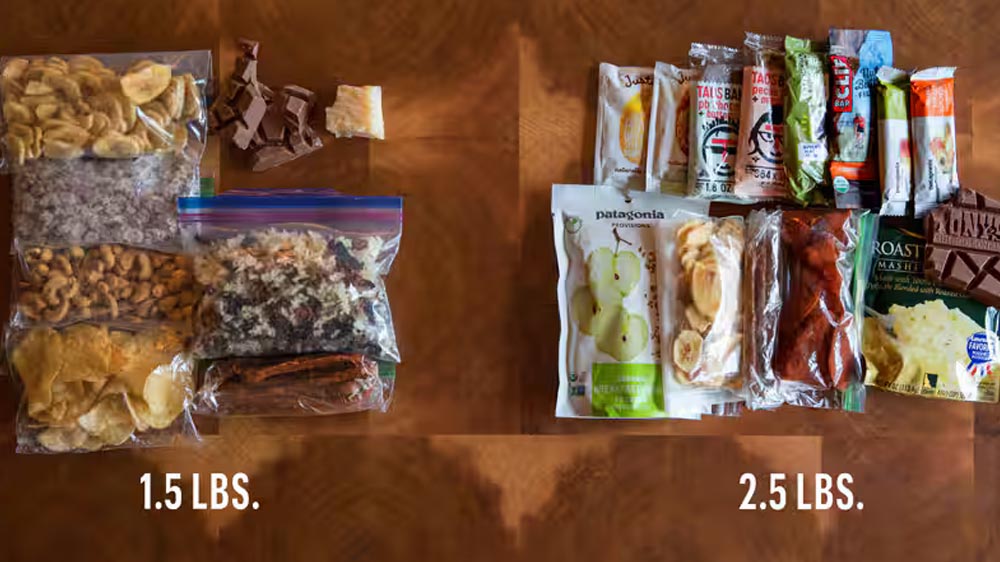
When packing for a bikepacking trip, weight matters, but under-eating is a bigger problem. You’ll burn thousands of calories daily, so prioritize foods with a high calorie-to-weight ratio.
Think in simple terms:
- Nuts, nut butter, and trail mix = high fat, high calories
- Dried fruits = quick energy
- Tortillas or rice-based snacks = compact carbs
A good target is around 400–500 calories per 100 grams, helping you carry enough fuel without overloading your bags.
2. Real Food Beats Energy Bars (Over Time)
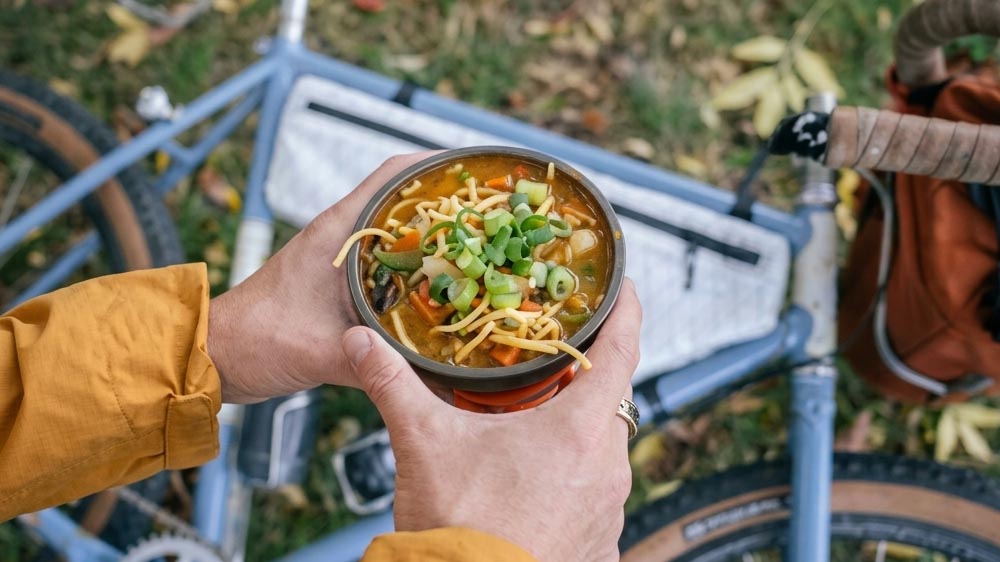
Energy bars are convenient, but relying on them all day quickly becomes tiring, after a few days, even your favorite bar can start to taste like cardboard.
Mix it up with:
- Rice balls or onigiri
- Tortillas with peanut butter or honey
- Instant noodles or oatmeal
- Simple local meals when available
For longer trips on a gravel bike or touring bike, real food keeps energy more stable and easier to maintain.
3. Replace Water with Electrolytes
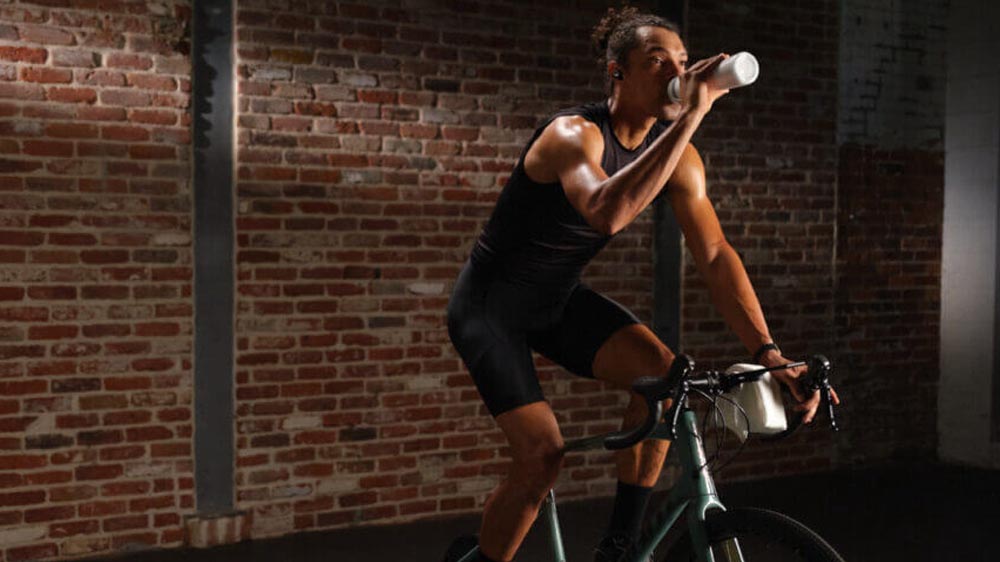
Hydration isn’t just about water. When you sweat for hours, you lose sodium, potassium, and magnesium, key for muscle function and endurance.
Instead of plain water:
- Add electrolyte tablets or powder
- Combine fluids with salty snacks
- Aim for 500–750 ml per hour in hot conditions
Without electrolytes, you risk cramps, fatigue, and reduced performance, even if you’re drinking enough.
- Prioritize Recovery Nutrition
What you eat after riding is just as important as what you eat during. Within 30–60 minutes after finishing the day, aim for a 4:1 ratio of carbohydrates to protein to replenish glycogen and support recovery.
Simple options:
- Instant noodles + eggs or tuna
- Rice + protein source
- Dehydrated meals with added fats
The “Emergency Cache” Rule
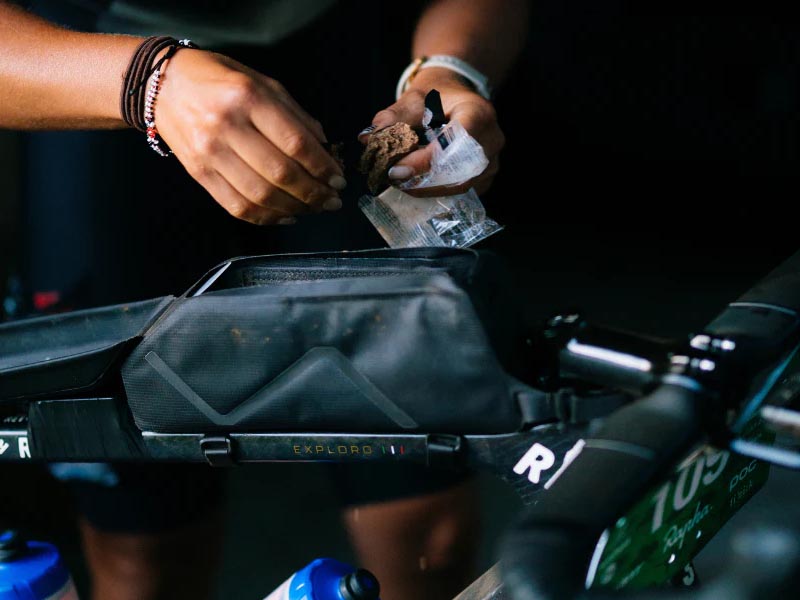
Your bikepacking nutrition should be easy to access while riding, with small, consistent intake instead of large meals. Aim to eat every 45–60 minutes to keep energy stable throughout the day.
Good on-bike options include:
- Dried fruit (dates, apricots)
- Peanut butter packets
- Energy bars or gummies
- Trail mix or salted nuts
- Tortillas with simple fillings
Balancing sweet and salty snacks helps prevent flavor fatigue and makes it easier to keep eating over multiple days.
Just as important, always carry a hidden 500-calorie backup, something dense like trail mix or an energy bar stored deep in your bag. This is your safety net for unexpected situations like longer climbs, missed resupply stops, or sudden energy drops.
You might forget it’s there, but when you need it, it can save your ride.
Golden Rules for Bikepacking Nutrition
- Eat before hunger, drink before thirst: Don’t wait until you feel hungry or thirsty. By then, your energy and hydration are already dropping, which can quickly affect performance.
- Never skip breakfast: Breakfast sets the foundation for the day. Skipping it often leads to early fatigue or “bonking,” especially on long rides.
- Salty + sweet snacks beat purely sweet over multiple days: Too much sugar becomes unappealing over time. Mixing salty and sweet helps maintain appetite and supports electrolyte balance.
- Real food > gels for multi-day rides (gut fatigue is real): Gels work for racing, but over several days they can cause digestive fatigue. Real food is easier to sustain and more satisfying long-term.
- Recovery meal within 45 minutes of stopping each day: This window is key for replenishing energy and repairing muscles, helping you stay strong for the next day’s ride.
Final Thoughts
Good bikepacking nutrition is about consistency, not perfection. Eat regularly, stay hydrated, and balance convenience with real food.
When done right, your nutrition strategy keeps energy stable, improves recovery, and makes multi-day riding more enjoyable. Whether on a touring bike or a gravel bike, the right fuel makes the difference between surviving the ride and actually enjoying it.
Read also: