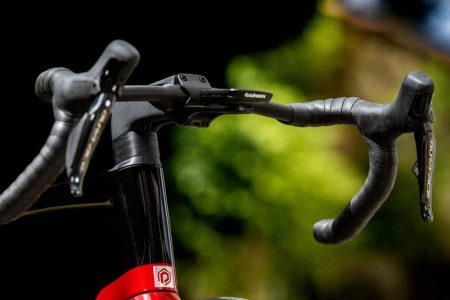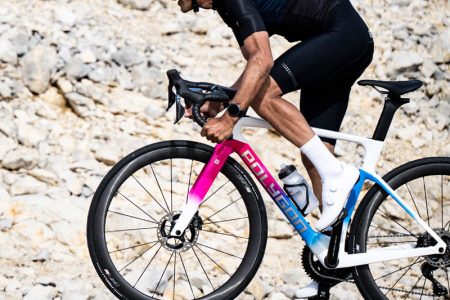











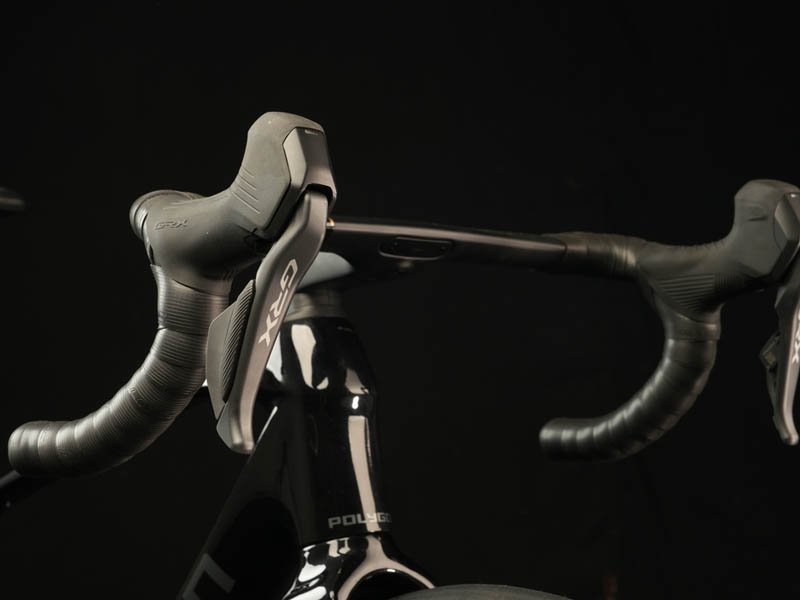
Integrated cockpits are all the rage in racing right now, and their presence is no longer limited to road bikes. More gravel bikes are adopting the same streamlined setup, combining a clean front end with potential aerodynamic and weight-saving benefits.
For race-focused gravel riders, that makes the upgrade increasingly tempting. But gravel also places different demands on bike fit, maintenance, and travel, so switching to an integrated cockpit deserves more thought than simply chasing a sleeker setup.
The Pros of an Integrated Gravel Cockpit
For a race-focused gravel bike, an integrated cockpit can bring several advantages to the front end. The appeal comes from a cleaner profile, improved aerodynamics, and the potential to reduce weight while maintaining the responsiveness needed for faster gravel riding.
- Sleek Aesthetic
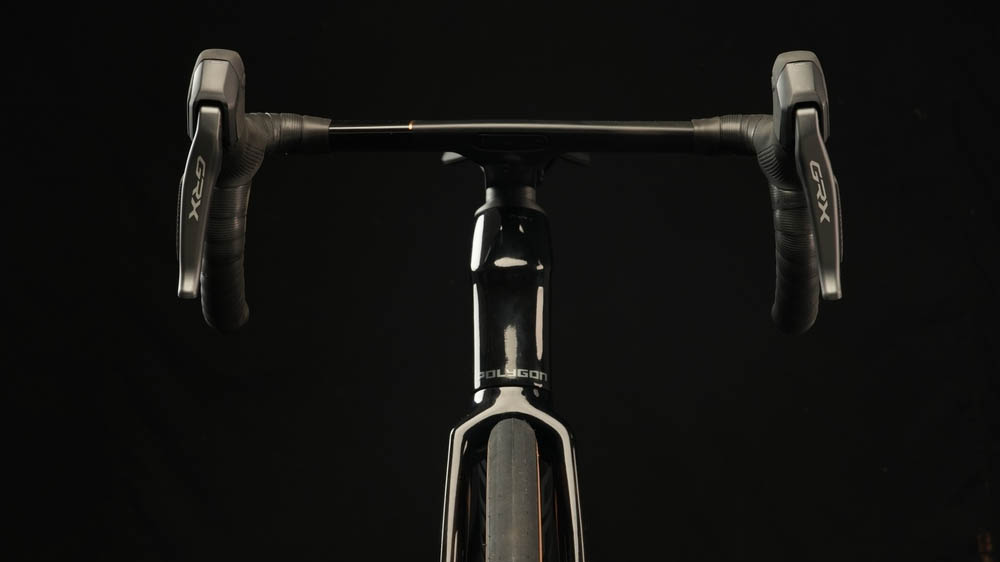
Combining the handlebar and stem immediately changes the appearance of a gravel bicycle. The one-piece construction removes the conventional bar-and-stem junction, while internal routing keeps cables and brake hoses largely out of sight.
This gives the front end a cleaner, more streamlined look that fits naturally with the race-focused design of modern gravel bikes.
- Aerodynamic Efficiency
The cockpit sits directly in the airflow, making it a relevant area for aerodynamic improvements. Streamlined handlebar shapes can reduce the frontal area exposed to the wind, while hidden cables remove additional clutter from the airflow.
These gains become more relevant for gravel racing, particularly on faster sections where aerodynamic efficiency has a greater influence on the effort required to maintain speed.
- Front Stiffness and Weight Savings
Combining the handlebar and stem into one component can reduce some of the hardware and overlapping material required by a conventional two-piece setup, creating an opportunity to save weight.
Stiffness, however, needs to suit the demands of gravel rather than simply being maximized. A race-focused cockpit should provide a responsive front end while retaining enough compliance to manage vibration and impacts from rougher surfaces. For gravel, that balance matters more than stiffness alone.
The Tradeoffs of an Integrated Gravel Cockpit
The performance-focused design comes with less flexibility, particularly when bike fit needs to change, or the cockpit requires maintenance. These compromises deserve extra consideration on a gravel bike, where riders may want to adjust their setup for different terrain, events, or longer days in the saddle.
- Zero Adjustability
A one-piece integrated cockpit fixes the handlebar and stem dimensions into the same component. Compared with a conventional setup, options for changing reach, stem length, or bar width are therefore much more limited.
Even relatively small fit changes can become more involved when cables and hydraulic hoses run internally. Changing cockpit height can also require additional work depending on how the system is routed. For riders still experimenting with their gravel bike position, a separate handlebar and stem offer considerably more flexibility and make it easier to fine-tune the setup over time.
- More Complicated Maintenance
Internal routing keeps the front end tidy, but makes installation and servicing more demanding. Hydraulic lines may need to be disconnected, replaced, or rerouted when the cockpit is changed, turning what looks like a simple component swap into a more involved job.
The fixed design can also be less convenient when travelling. Removing or repositioning the handlebar for certain bike boxes is not as straightforward as it can be with a conventional setup, something worth considering if races or riding trips regularly involve flying with your gravel bicycle.
- High Replacement Costs
The cockpit itself can be a significant investment, and internal routing can add to the cost when replacement or adjustment requires professional workshop time. Additional work on hydraulic lines can push the overall expense beyond the price of the cockpit alone.
This makes correct sizing particularly important. Choosing the wrong dimensions may mean replacing more than a single stem or handlebar, turning what would normally be a relatively simple fit change into a more expensive job.
Read also:
Is an Integrated Cockpit Still Worth It?
An integrated cockpit makes the most sense on a dedicated, race-focused gravel bike, particularly if you mainly ride smooth-to-moderate hardpack. The cleaner profile, aerodynamic benefits, and potential weight savings suit a setup built around speed, especially when you already know your preferred reach, bar width, and stem length.
Skip the upgrade if you regularly adjust your bike fit, travel frequently with your gravel bicycle, or use one bike across varied terrain. In those situations, a separate handlebar and stem give you more freedom to change the setup and simplify maintenance or packing.
Whether you ride a Polygon or another gravel bike, integration is best suited to riders with a dialed-in position and clear racing priorities. If versatility matters more, a conventional cockpit remains the more practical choice.