










In gravel cycling, comfort is the ultimate performance metric. Unlike smooth road racing where aerodynamic efficiency dictates speed, gravel involves constant vibration, harsh impacts, and unpredictable terrain. A stable, pain-free rider saves more energy and handles better, directly translating to faster, sustainable riding over long distances.
Here is why prioritizing a compliant, comfortable setup will outrun a hyper-stiff, “fast” setup every single time on a gravel bike.
1. Gravel Cycling Is An Endurance Experience
Unlike road racing or criteriums, gravel cycling often involves:
- Long hours in the saddle
- Mixed terrain (dirt, gravel, asphalt, loose surfaces)
- Constant micro-adjustments in body position
- Variable vibration and fatigue loads
This is where comfort becomes a performance factor, not just a luxury. Rider fatigue caused by vibration and poor gravel bike fit directly impacts power output consistency over long distances.
In simple terms, the more comfortable you are, the longer you can maintain efficient power.
2. Comfort Reduces Fatigue, and Fatigue Reduces Speed

Many riders assume speed is purely about fitness or equipment. But in real gravel conditions, fatigue is often the hidden limiter.
Vibration from rough surfaces creates what experts call “muscular micro-fatigue”—small, continuous energy losses caused by stabilizing the body rather than producing forward power.
Over time, this leads to:
- Lower sustained power output
- Reduced reaction time on technical terrain
- Poorer handling and braking control
- Increased energy consumption per kilometer
Comfort-oriented geometry and vibration-damping design help reduce this effect significantly.
That’s why modern gravel bikes, including Polygon’s gravel platform like the Bend Series are engineered with compliance in mind, not just stiffness.
3. Wider Tyres And Lower Pressure = Real-World Speed Advantage
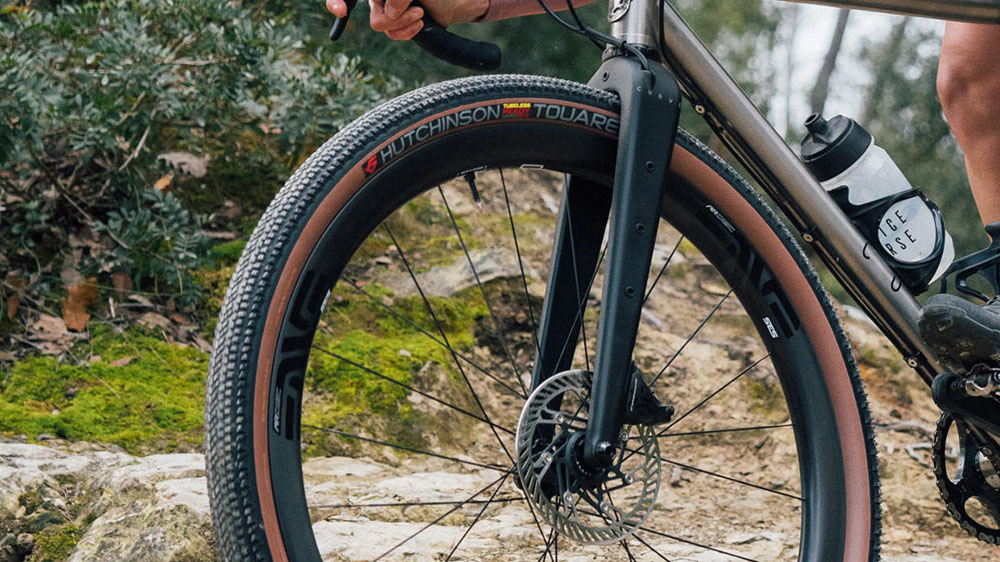
One of the biggest shifts in gravel cycling design is tyre philosophy. Contrary to older beliefs, narrower and harder tyres are not faster on rough terrain.
Real-world testing shows that:
- Wider tyres (38–45mm) improve rolling efficiency on uneven surfaces
- Lower pressure reduces vibration losses
- Increased contact patch improves grip and confidence
Rider efficiency improves when vibration is reduced, even if theoretical rolling resistance numbers look higher in lab conditions. In gravel cycling, “fastest setup” is the one that maintains speed over time, not in ideal conditions.
Read also: Gravel Bike Tire Pressure Guide
4. Bike Fit Matters More Than Aero Positioning

In road cycling, aerodynamics often dominates performance discussions. But gravel is different. Because terrain constantly changes, riders rarely stay in a single aerodynamic position for long periods. Instead, they frequently shift between:
- Climbing posture
- Technical descents
- Stability-focused seated riding
- Standing power efforts
This makes gravel bike fit and ergonomics more important than aggressive aero positioning.
A comfortable reach, stable handling geometry, and reduced strain on the back and shoulders allow riders to stay efficient for longer durations without breakdown in form.
5. Control Is A Form Of Speed
One of the most overlooked truths in gravel cycling is The faster rider is often the one who loses less speed in technical sections—not the one who pedals hardest.
Comfort improves:
- Cornering confidence
- Descent stability
- Traction on loose surfaces
- Decision-making under fatigue
This is especially important in long gravel events where technical efficiency matters as much as raw fitness.
In fact, many endurance gravel athletes emphasize that control and stability often determine race outcomes more than peak power.
Why Polygon Designs Gravel Bikes Around Comfort-First Performance?
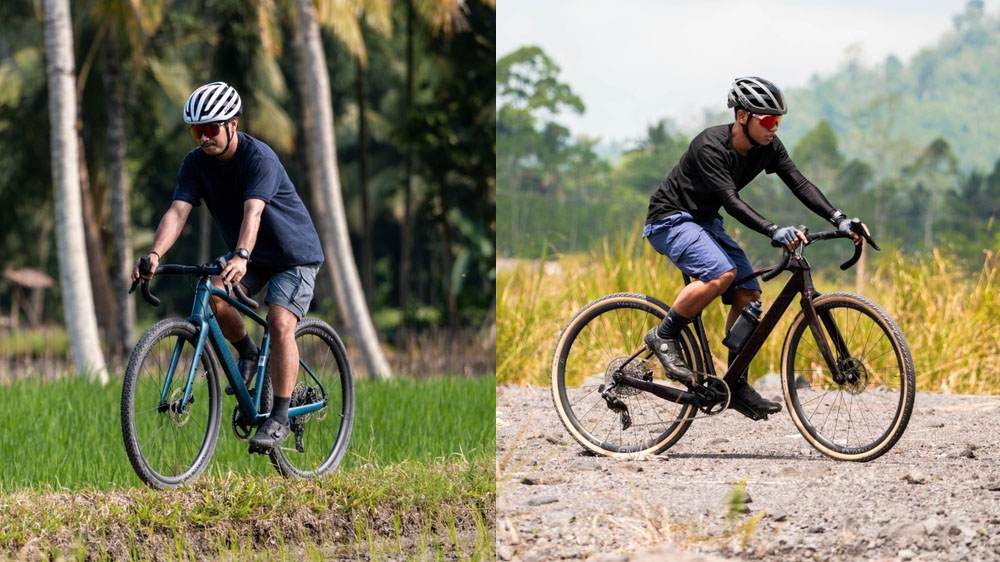
At Polygon Bikes, our gravel platforms are developed for real-world endurance riders who regularly tackle long-distance, mixed-terrain challenges. Models such as the Polygon Tambora Gravel Bike and Polygon Bend Gravel Bike are designed to reflect this approach to modern gravel riding.
Instead of focusing only on stiffness or aerodynamics, these platforms are built around long-ride performance and rider control. Key design priorities include:
- Endurance-focused geometry for stability over long hours in the saddle
- Vibration-damping frame design to reduce fatigue on rough terrain
- Generous tyre clearance for wider, more capable setups on mixed surfaces
- Balanced frame stiffness for efficient and consistent power transfer
- Rider-centric ergonomics for control and confidence across changing terrain
This design philosophy is reflected in both the Tambora and Bend series, where performance is not defined by short bursts of speed, but by sustained efficiency, comfort, and control over every kilometer of the ride.
Read also: Path X vs Tambora vs Bend Gravel Bike
Comfort Doesn’t Slow You Down, It Keeps You Moving
The biggest misconception in cycling is that comfort equals laziness or inefficiency. In reality, discomfort is what slows riders down.
A rider who is constantly:
- Shifting position
- Fighting vibration
- Managing fatigue early
- Losing control on rough terrain
Will always be slower over long distances than a rider who is relaxed, stable, and efficient.
Gravel cycling is defined by long-distance efficiency rather than short bursts of speed. Unlike high-intensity racing that focuses on short efforts, gravel riding prioritizes sustained performance over several hours on mixed terrain.
In this context, comfort plays a critical role in maintaining speed over long durations. A well-balanced riding position, stable handling, and reduced rider fatigue all contribute to more consistent performance throughout the ride. This is why comfort should be seen as a key enabler of endurance, rather than something separate from speed.
As gravel cycling continues to grow globally, more riders are shifting their focus from pure performance to a more holistic approach that combines endurance, control, and long-ride sustainability.
At Polygon Bikes, we view the future of gravel cycling as one that goes beyond speed alone—delivering rides that are smarter, more stable, and built for long-lasting performance across varied terrain.