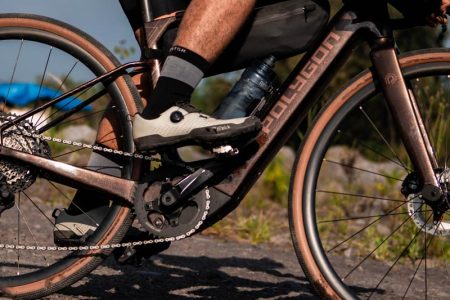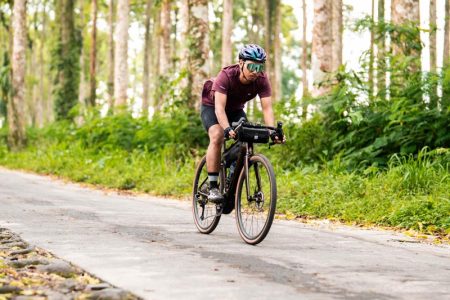











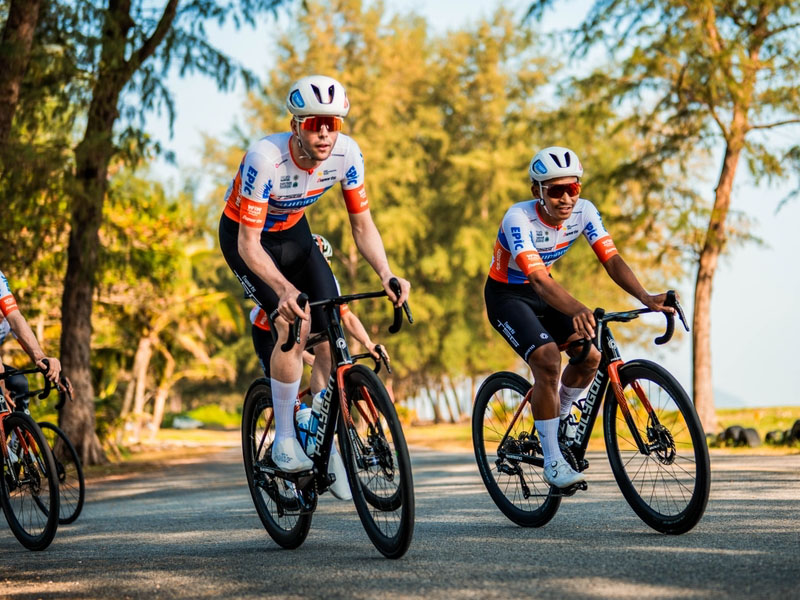
If you’ve felt like road bikes are starting to look a little less “road bike” lately, you’re not imagining it. Cycling rarely changes overnight; instead, trends build quietly until they feel obvious everywhere, on group rides, in race photos, and on the shop floor.
And in 2026, the dominant theme isn’t a single flashy innovation. It’s about refinement: bikes becoming more versatile, setups becoming more intentional, and riders prioritizing ride quality over extremes.
The broader bike market is feeling this shift too. The old categories of aero, lightweight, and endurance still exist on paper, but the boundaries between them have blurred to the point where the most interesting bikes refuse to stay in their lane, aero frames now weigh less than dedicated climbing bikes did a few years ago, and endurance machines can hold their own in a fast group ride.
Here’s what’s actually changing in road biking this year, and how it connects to the way Polygon is already building road bikes.
1. “All-Road” Isn’t a Niche Anymore, It’s the Default
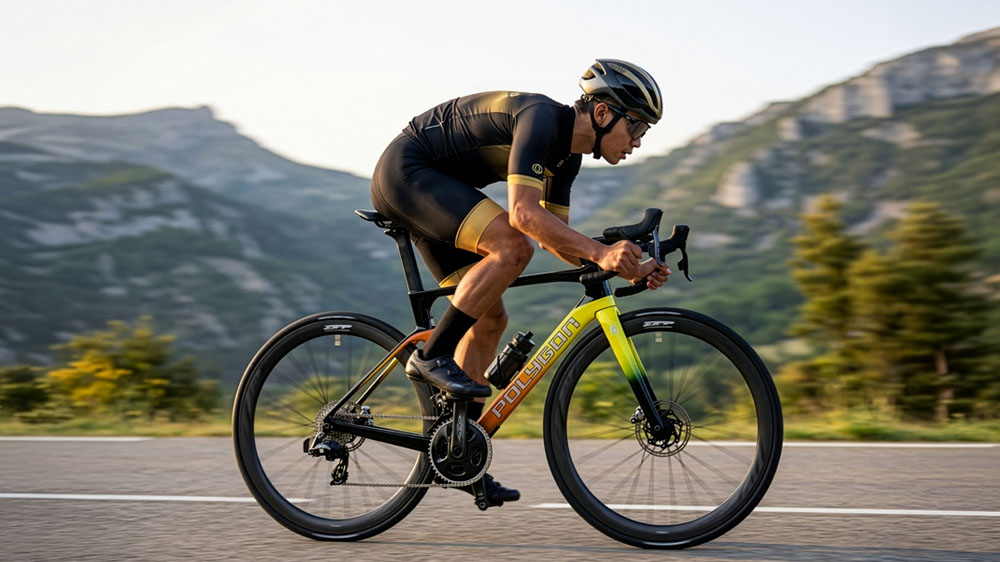
For years, “all-road” bikes felt like a compromise category for riders who couldn’t decide between road and gravel. In 2026, that framing is disappearing.
The hard lines between road, endurance, and gravel continue to soften, not because the categories are disappearing, but because real-world riding doesn’t fit neatly into them, as riders increasingly choose their routes first and want one road bike that feels composed everywhere, from chip seal to broken pavement to light gravel connectors.
What this means for riders: If your local rides mix smooth tarmac with rough patches or the occasional gravel link, you no longer need a dedicated bike for each surface. One well-specced road platform can now genuinely handle both.
2. Wide Tires Have Quietly Become the New Normal
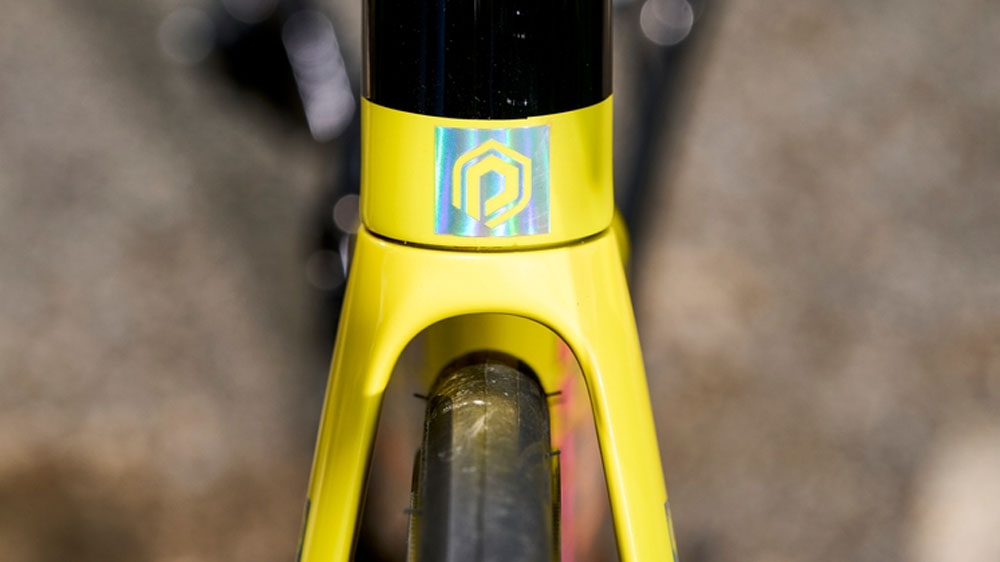
Few shifts in road cycling have been as decisive — or as overdue — as the move toward wider tires. By 2026, wider road tires won’t feel progressive or experimental anymore; they’ll simply be what most performance-oriented riders are on, resulting in smoother, quieter, more confident bikes, especially on imperfect pavement.
This isn’t just talk — it’s already reflected in how race-ready frames are being engineered. Polygon’s own race platform, the Helios A, was built with this shift in mind: the frame supports tires from 28c up to 34c, far wider than the narrow 23–25c tires that once defined road racing.
What this means for riders: If you’re still riding narrow tires at high pressure because that’s “what road bikes do,” it’s worth re-evaluating. Wider tires at the right pressure improve comfort and real-world speed on anything but a velodrome-smooth surface.
3. Wireless Drivetrains Are No Longer the Exception
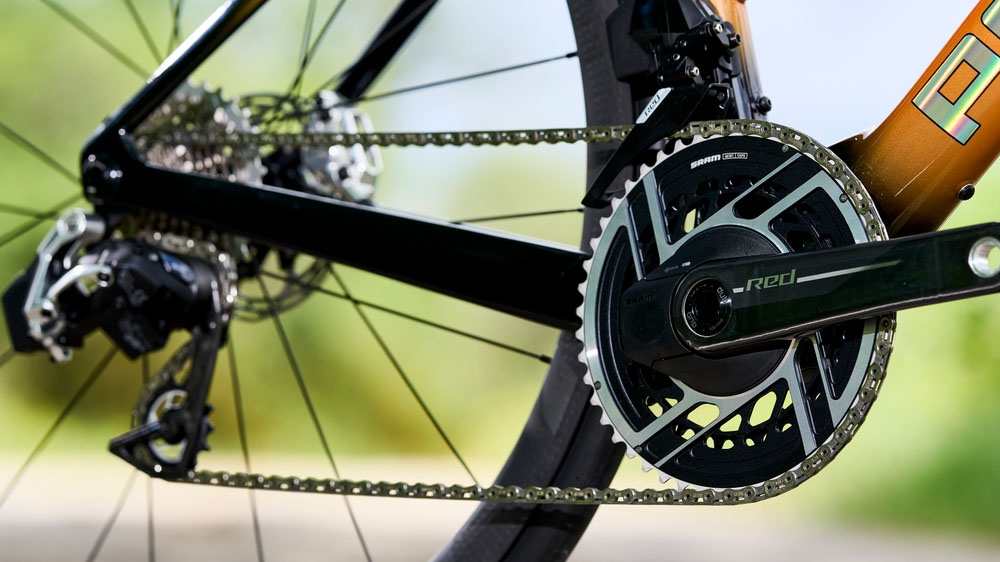
Electronic shifting has been around for years, but 2026 marks the point where wireless specifically becomes the expectation rather than the upgrade.
By 2026, fully wireless systems are what most mid-to-high level builds are designed around, giving brands and riders flexibility in gearing and configuration without compromising reliability or ergonomics. As a result, the conversation is shifting from “should I go electronic?” to “what gearing actually suits my riding?”
Drivetrain innovation isn’t slowing down either; Shimano’s new 13-speed wireless drivetrain is expected to make headlines in mid 2026.
What this means for riders: The decision point has moved. Instead of debating mechanical vs. electronic, riders are now thinking about gear range and configuration — a more useful conversation for actually improving your ride.
Read also: Future of Wireless Electronic Drivetrains
4. Fit-First Thinking Is Replacing Spec-Sheet Obsession
Perhaps the most rider-friendly shift in 2026 is the growing emphasis on fit over flash. As road bikes become more similar on paper, the biggest difference in how they ride comes down to how they fit the person riding them. Fit-first thinking is moving from “nice to have” to standard practice.
This pairs with a broader move toward smarter buying behavior. The broader cycling industry is still working through a reset, which is shaping rider behavior toward intentional buying rather than impulse upgrades — the best improvement often isn’t a new bike, but a better-set-up road bike.
What this means for riders: Before chasing a new frame or component, a proper bike fit — saddle height, reach, cleat position — is very likely the highest-value upgrade available to you in 2026.
5. Crank Length Gets a Rethink
One of the more specific, rider-focused trends gaining traction is shorter crank arms. Tadej Pogačar dominated multiple races using 165mm cranks, and studies suggest a crank length around 41% of tibia length may be optimal for many riders.
For most riders, this isn’t really about chasing watts. For everyday cyclists, shorter cranks don’t significantly change power output, but they reduce hip angle at the top of the pedal stroke, leading to better comfort and endurance — which is why 2026 is likely to see more riders switching to shorter crank arms for comfort rather than speed.
What this means for riders: If you’ve struggled with hip discomfort or felt cramped at the top of your pedal stroke, crank length — not just saddle height — might be worth investigating.
6. Hooked Rims Are Making a Comeback
The hookless rim debate that defined the last few road cycling seasons appears to be settling — and not in hookless’s favor. Hooked rims are expected to become mainstream again by 2026, as compatibility and safety concerns around hookless systems continue to generate industry discussion.
What this means for riders: If you’ve been holding off on a wheel upgrade due to hookless compatibility worries, 2026 is shaping up to ease that decision.
A Year of Refinement, Not Reinvention
2026 isn’t asking road riders to reinvent how they ride, it’s asking the industry to refine what already works. Wider tires, wireless drivetrains, smarter fit practices, and blurred category lines all point toward the same conclusion: the most interesting road bikes on the market are the ones that refuse to stay in their lane.
That philosophy isn’t new to Polygon. The Helios A’s wide tire clearance, dual seatpost compatibility, and co-development with a UCI Continental race team already reflect the same convergence, performance, comfort, and versatility, refined rather than reinvented.
Read also: