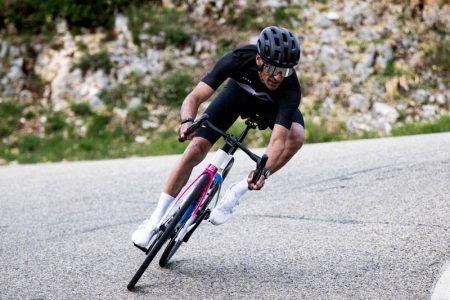











Before a single pedal stroke in a race, a professional road cyclist has already made dozens of decisions — saddle height down to the millimeter, cockpit width, tire pressure, gear ratios — all tuned to one goal: going faster for longer, with zero wasted energy.
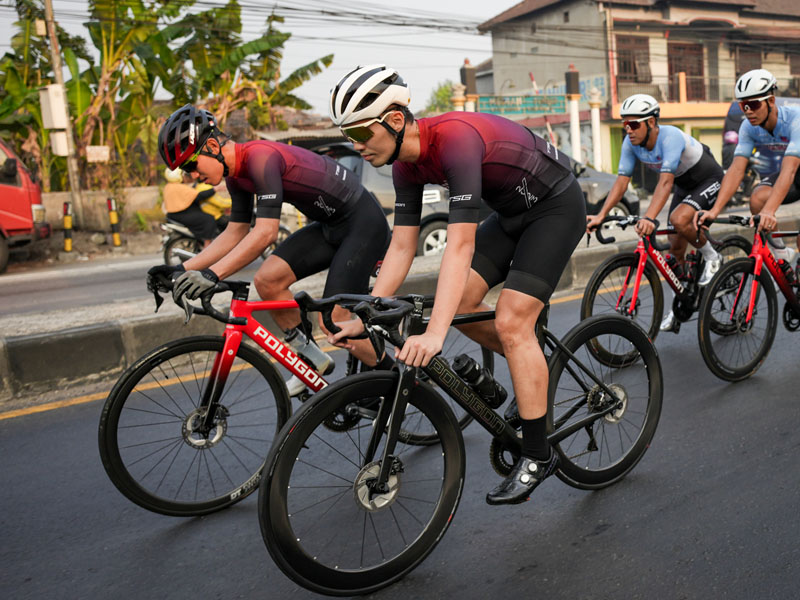
For Polygon, that setup process isn’t guesswork handed down. Our road bike like the Helios A was developed over three years of relentless testing and perfected alongside the elite UCI Continental Team, TSG — meaning every adjustment pro riders make on this bike comes from real feedback, earned on real race courses, not a spec sheet.
So what does a pro-level setup on Polygon road bike actually look like? Let’s break it down.
1. Aggressive Geometry, Built for Racing Positions
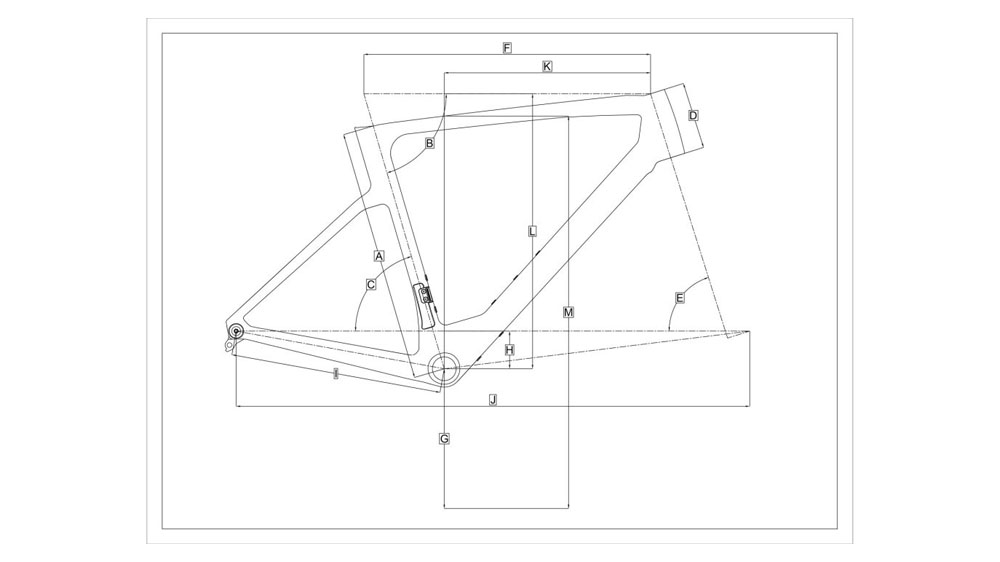
Professional road setups start with geometry, and Polygon’s race platform doesn’t hide its racing intent. Polygon’s sizing of its road bikes has always been aggressive, a size M Helios A comes with a 400mm reach and a 533mm stack height.
This translates to a setup that rewards riders who already have strong flexibility and core control. Seat angles are as steep as 75 degrees, while an adjustable offset seat post clamp lets riders position themselves further forward over the bottom bracket when needed.
What this means for your setup: If you’re moving to an aero race platform like the Helios A, expect a noticeably lower, more stretched-out position than an endurance road bike like the Strattos C. A proper bike fit matters more here than on relaxed-geometry frames — this is a bike built to reward correct positioning, not punish a sloppy one.
2. Short Chainstays for Sharper Handling
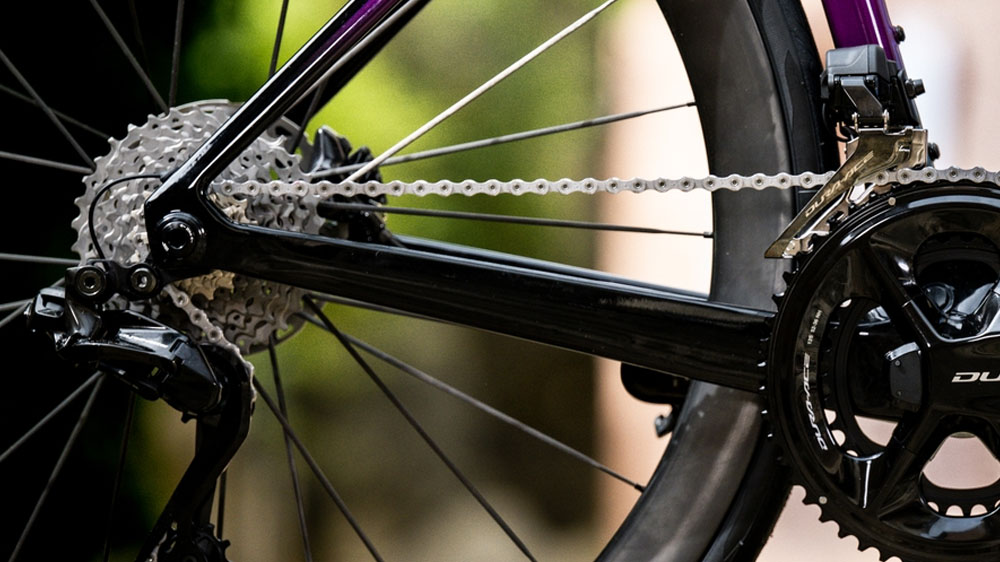
Pro setups don’t just chase aerodynamics — handling precision matters just as much in a bunch sprint or technical descent. The Helios A uses bottom bracket drops ranging from 78mm to 71.5mm across sizes, paired with notably short 410mm chainstays — tight numbers for a modern road bike.
What this means for your setup: Shorter chainstays generally mean quicker, more responsive handling, useful in technical corners or bunch racing, but something riders coming from longer-wheelbase bikes should give themselves time to adapt to.
3. Cockpit Setup: Built-In Aero, Built-In Trade-offs
One of the most defining features of a pro-level aero setup is the cockpit — and the Helios A’s semi-integrated design reflects exactly how race teams approach this.
The complete series features a new semi-integrated carbon cockpit — handlebar, stem, and wheels — designed by Polygon and branded under the LINC component line, built to balance performance and comfort while maximizing speed on flats and stability in crosswinds.
This integration comes with a real trade-off that pro and amateur riders alike need to plan for. Because the handlebar and stem are integrated, adjusting how the bike fits comes with a significant cost — a factor that limits who this kind of bike suits.
What this means for your setup: Get your reach and stack dialed in before you commit to an integrated-cockpit race road bike. Unlike a standard quill or threadless stem swap, changing your position later isn’t a quick adjustment.
4. Tire Width and Pressure: Wider Than You Think
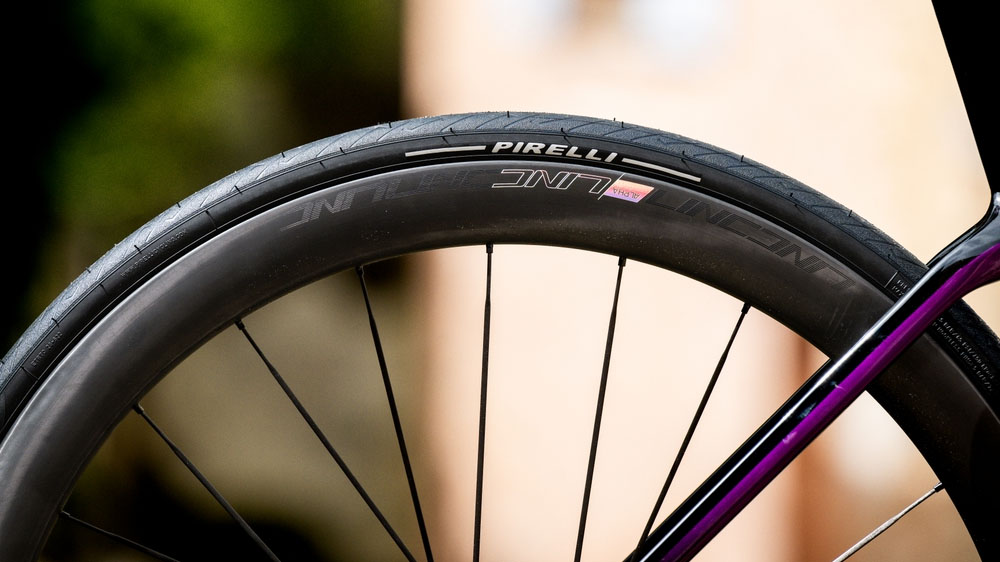
Pro road setups have moved decisively away from narrow, rock-hard tires — and Polygon’s race platform is built around that shift. The Helios A fits tires from 28c to 34c, making it versatile across varying road conditions, and comes equipped with a 45mm carbon rim for balanced performance across the series. Tire clearance is rated at a claimed 700c x 34mm.
What this means for your setup: If you’re still running 23–25c tires at high pressure on a race bike, you’re behind where modern pro setups have landed. Wider tires (28c+) paired with appropriately lower pressure improve both comfort and real-world rolling resistance on imperfect road surfaces.
Read also: Road Bike Tire Pressure Guide
5. Component Choices That Prioritize Power Transfer
Pro-level setups care as much about stiffness under power as they do about aerodynamics. Polygon reinforced the bottom bracket and right chainstay on the Helios A specifically to instantaneously transmit pedaling power to the wheels — a detail that matters most in sprints, hard accelerations, and out-of-saddle climbing efforts, exactly where TSG’s sprinters and climbers need it.
What this means for your setup: If sprinting or punchy climbing efforts are a priority in your riding, look for the same characteristics pro teams prioritize: a stiff bottom bracket area and confident power transfer, not just low weight.
6. Seatpost Flexibility: One Frame, Two Riding Priorities
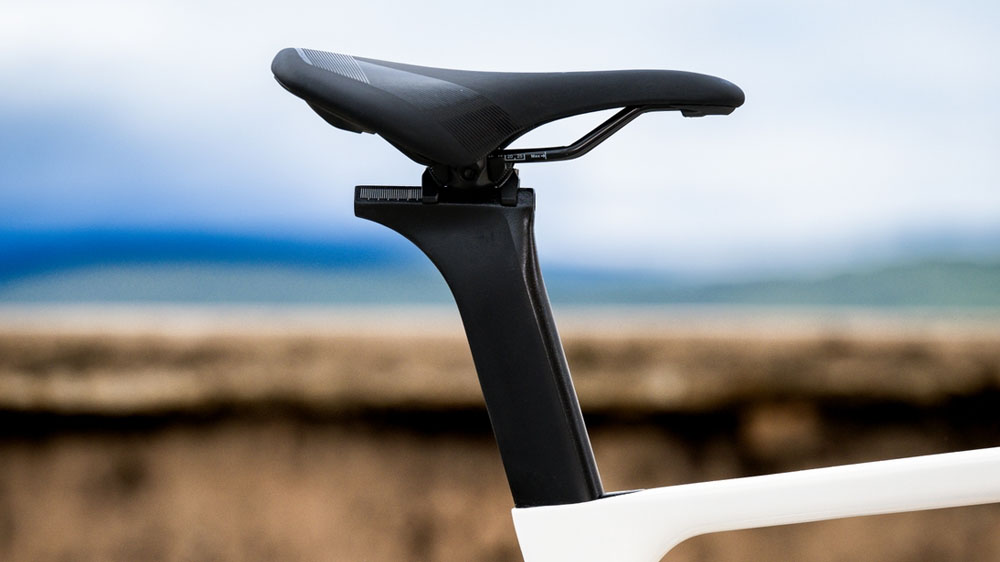
Not every race situation calls for the same ride quality, and Polygon’s setup philosophy reflects that. The Helios A frame supports both an aero seat post, included as standard, and a 27.2mm round seatpost option for added comfort — giving riders control whether they’re tackling fast sprints or rough race courses.
This dual compatibility with both the proprietary aero seat post and a standard round seat post is something rarely seen on a road bike.
What this means for your setup: If you’re riding mixed-surface routes or longer events with rough sections, swapping to a round seatpost can meaningfully improve comfort without changing bikes — the same flexibility race mechanics use to adapt one frame to different stage profiles.
A Pro Setup Starts With the Right Fit, Not Just the Right Bike
The biggest lesson from how Polygon’s approaches the Helios A isn’t about any single spec — it’s that every detail, from bottom bracket stiffness to seatpost compatibility, was tuned around what TSG’s riders actually needed on race day. Refined to be 5.2 seconds faster than its predecessor and lighter than ever, the Helios A is meticulously optimized for speed, agility, and control, whether battling headwinds or slicing through tight corners.
For everyday riders, the takeaway isn’t “buy the race bike” — it’s that pro setups succeed because every component decision serves a clear purpose. Apply that same thinking to your own road bike, starting with proper fit, sensible tire width, and components that match how and where you actually ride.
Read also: