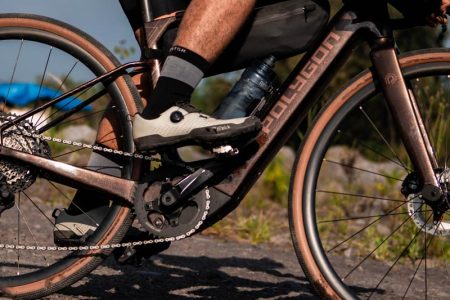











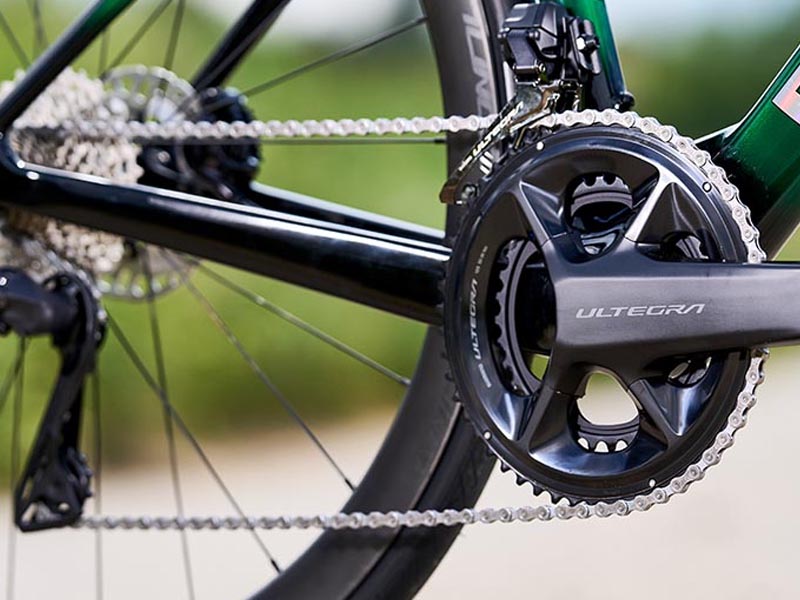
Yes, rapidly. In 2026, wireless electronic drivetrains are quickly becoming the default choice for mid- to high-end road bikes. While mechanical systems still exist, especially at entry level, the performance segment has clearly shifted toward electronic, and increasingly, fully wireless setups.
On most carbon road bikes above the mid-range price point, electronic shifting is no longer a luxury upgrade. It’s the expectation.
Why Is Wireless Becoming the Standard?
 The Industry Shift Is Real
At the professional level, electronic shifting has been the norm for years. It’s now rare to see a pro rider using mechanical shifting on a WorldTour road bike. What started at the top with premium groupsets has trickled down to mid-range offerings like Shimano 105 Di2 and SRAM Rival AXS.
In 2026, that “trickle-down effect” is largely complete. Electronic shifting dominates performance-oriented road bicycle categories, and wireless systems are expanding quickly across price tiers.
Manufacturers are investing heavily in this direction because riders are adopting it, and because it simplifies modern bike design.
Better Performance & Reliability
One major reason wireless electronic drivetrains are gaining ground is consistency. Unlike mechanical cables, electronic systems don’t suffer from cable stretch. Once set up correctly, shifting stays precise without frequent re-adjustment. That means:
- Cleaner, more accurate shifts
- Minimal maintenance tuning
- Consistent performance in wet or harsh conditions
The old fear that electronics might fail in rain or racing conditions has largely been debunked. Years of professional use have proven durability and reliability.
Modern systems also allow customization via apps; adjusting shift speed, button functions, and multi-shift behavior. For many riders, that programmability adds real value.
Cleaner Looks & Simpler Frames
Wireless technology isn’t just about performance, but it’s also about design.
Today’s best road bikes emphasize fully internal cable routing for aerodynamic gains and clean aesthetics. Mechanical cables are complicated to route through integrated handlebars and headsets. Wireless systems eliminate much of that complexity.
For manufacturers, this means:
- Cleaner cockpit designs
- Simpler frame construction
- Potential weight and aerodynamic improvements
From a visual standpoint, a wireless road bike simply looks more refined.
Key Trends in 2026
Electronic Shifting Is Already Mainstream
Electronic drivetrains are no longer exclusive to flagship race models. Mid-range carbon road bicycles frequently come stock with electronic groupsets. In many markets, if you’re buying a performance road bike above the entry tier, electronic shifting is already standard spec.
Mechanical Drivetrains Aren’t Dead (Yet)
Despite the rapid shift, mechanical drivetrains still dominate lower price categories. They remain popular because they are more affordable, simple to maintain, and easier to repair in remote touring situations.
For budget-conscious riders or purists who prefer a mechanical feel, traditional systems still make sense. Entry-level road bikes will continue using mechanical groupsets for cost efficiency.
However, in performance segments, mechanical is increasingly becoming a niche preference rather than the default.
Wireless Is Growing Fast
Fully wireless systems, like SRAM’s AXS ecosystem, have accelerated adoption by eliminating shift cables.
Shimano, historically semi-wireless, has moved closer toward a fully wireless architecture in newer generations. Campagnolo has also entered the fully wireless space with high-end offerings.
As production scales and competition increase, pricing is gradually becoming more accessible. The expectation is clear: wireless electronic drivetrains will continue moving downward into broader price tiers over the next few years.
Should You Get a Road Bike with Wireless Electronic Drivetrains?
It depends on your riding priorities and budget.
You should consider wireless if:
- You value precise, low-maintenance shifting
- You want a clean, modern cockpit
- You ride frequently and want consistent performance
- You’re investing in a mid- to high-tier road bicycle
You may not need wireless if:
- You’re buying an entry-level road bike
- You prioritize simplicity and lower cost
- You tour in remote areas where charging could be inconvenient
Battery management is straightforward; most systems offer long battery life and easy charging, but it does add a small layer of responsibility compared to mechanical setups.
Road Bikes with Wireless Electronic Drivetrains: Helios A Series & Strattos C
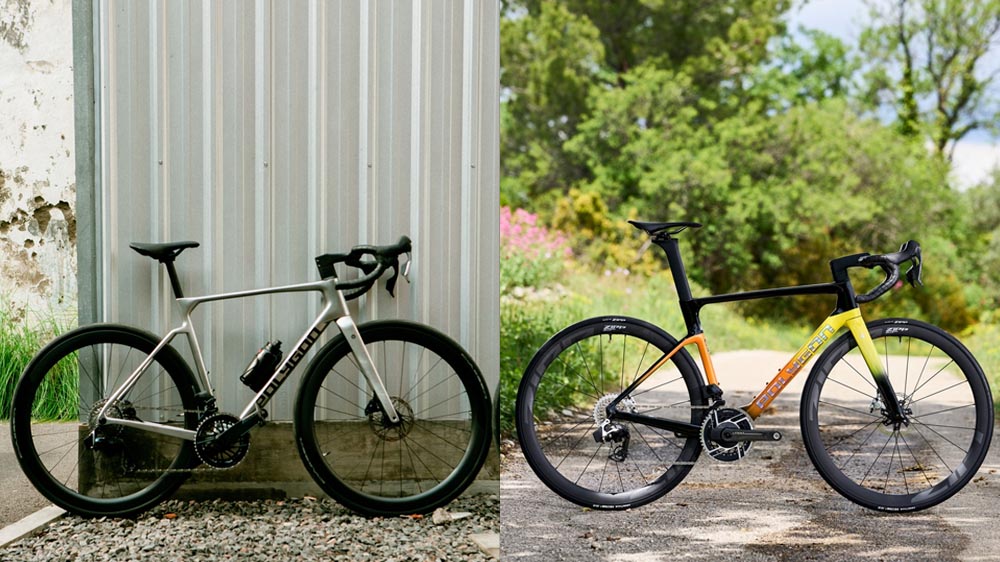 At Polygon, we recognize the shift toward fully integrated performance systems.
The New Helios A Series is built around modern race performance, where wireless electronic drivetrains complement aerodynamic frame design and integrated cockpits. For riders seeking top-tier responsiveness and clean aesthetics, this pairing represents the direction high-performance road bikes are taking.
Meanwhile, the Strattos C platform brings advanced carbon performance to a wider audience. When paired with electronic shifting options, it offers a balanced combination of efficiency, precision, and modern styling.
Both platforms reflect the broader market trend: premium road bikes are increasingly designed with electronic integration in mind from the start, not as an afterthought.
Read also: