









A suspension gravel bike is basically a gravel bike that gets a bit of “shock-absorption help” to smooth out rough terrain.
It combines the versatility of a gravel bicycle with added suspension elements that make tough surfaces feel more controlled and comfortable without shifting entirely into mountain bike territory.
What Is a Suspension Gravel Bike?
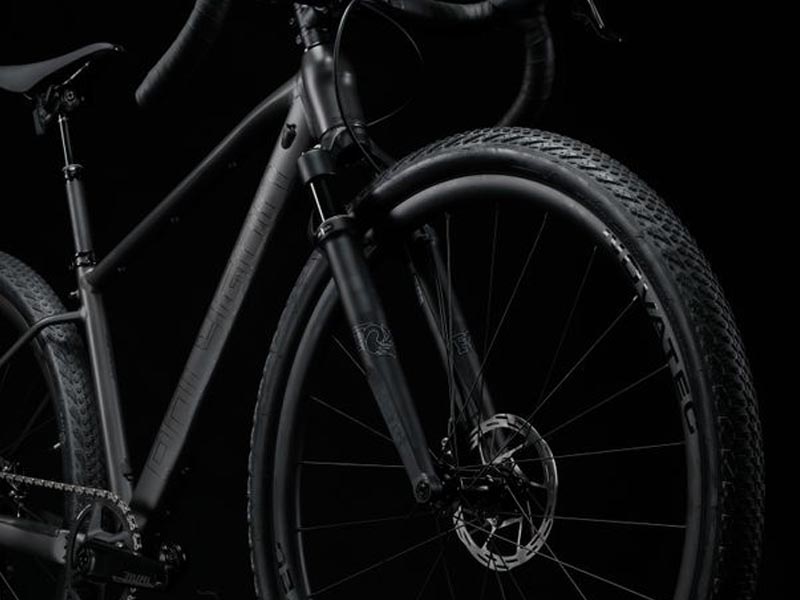
A suspension gravel bike is a variant of traditional gravel bikes that incorporates suspension components, usually in the front fork, seatpost, or even integrated frame bumpers, to absorb trail impacts.
Unlike a mountain bike, which typically has long-travel suspension and aggressive geometry, suspension gravel bikes add just enough compliance to help riders through rough gravel roads, rocky sectors, and inconsistent surfaces.
The goal isn’t to dominate technical singletrack, but to make rough roads feel smoother, reduce rider fatigue, and increase confidence over sustained mixed terrain.
There are several ways suspension is implemented:
- Front suspension forks with limited travel (~30–40 mm)
- Micro-suspension systems built into the frame
- Seatpost or saddle-mounted compliance features
These approaches help keep a gravel bike’s efficiency while adding comfort when the road gets unpredictable.
Why Do Suspension Gravel Bikes Exist?
 The idea behind suspension gravel bikes comes from a simple comparison: pure gravel bikes are great on dirt, gravel, and paved roads, but they can feel harsh when the terrain gets rough.
Traditional gravel bicycles usually rely on wider tires and relaxed geometry to soften the ride, but that only goes so far when rocks, washboard, and sharp descents come into play.
Suspension gravel bikes exist because:
- Gravel terrain can be rough and unpredictable: rough fire roads and rocky sections can quickly fatigue the rider, especially over long distances.
- Wider tires and flexible frames have limits: they add comfort, but don’t buffer severe impacts.
- Riders want more comfort without sacrificing efficiency: modern gravel riding blurs the line between road and off-road, and suspension helps bridge that gap.
In essence, suspension gravel bikes bring a touch of mountain bike comfort to the hybrid world of gravel cycling without turning the bike into a full-blown off-road machine.
Do You Really Need a Suspension Gravel Bike?
When deciding between a suspension gravel bike and a traditional gravel bike, weigh the pros and cons based on how and where you ride.
Pros
- Better Comfort on Rough Surfaces: Suspension smooths out big bumps, loose rocks, and washboards more effectively than wide tires alone. For long rides over rough gravel, this can reduce fatigue and help maintain speed without tiring the body as quickly.
- Greater Control and Confidence: At higher speeds, rough sections can feel unpredictable. Suspension provides subtle damping that helps keep the wheels in contact with the ground, improving traction and stability.
- Extended Riding Range: If you’re riding long events, bikepacking, or multi-day adventures over inconsistent terrain, suspension can make extended rides feel easier on the body.
- More Forgiving Ride: Especially for riders transitioning from road bikes or hybrid bikes, the added compliance can make rough gravel less intimidating.
Cons
- Added Weight and Complexity: Compared to rigid gravel bikes, suspension adds mechanical parts and weight. This usually translates to slower acceleration and more maintenance.
- Efficiency Trade-offs: Some suspension systems, even light ones, can introduce slight energy loss when pedaling hard, especially on smooth surfaces. Riders looking for speed may notice this.
- Price Premium: Bikes with suspension components tend to be more expensive than their rigid counterparts due to extra technology and design integration.
- Not Designed for Technical MTB Trails: While suspension gravel bikes handle rough gravel well, they are not meant to replace true mountain bikes on steep, technical singletrack.
A suspension gravel bike is ideal for riders who tackle long, rough, and unpredictable terrain and want added comfort and control without moving into full mountain bike geometry.
For smoother roads and gravel paths, a traditional rigid gravel bicycle may remain the better choice. Ultimately, the right bike depends on your riding style, terrain, and how much importance you place on comfort versus speed.
Explore gravel bikes at Polygon to find one that matches your terrain and riding goals, with or without suspension.
Read also: