




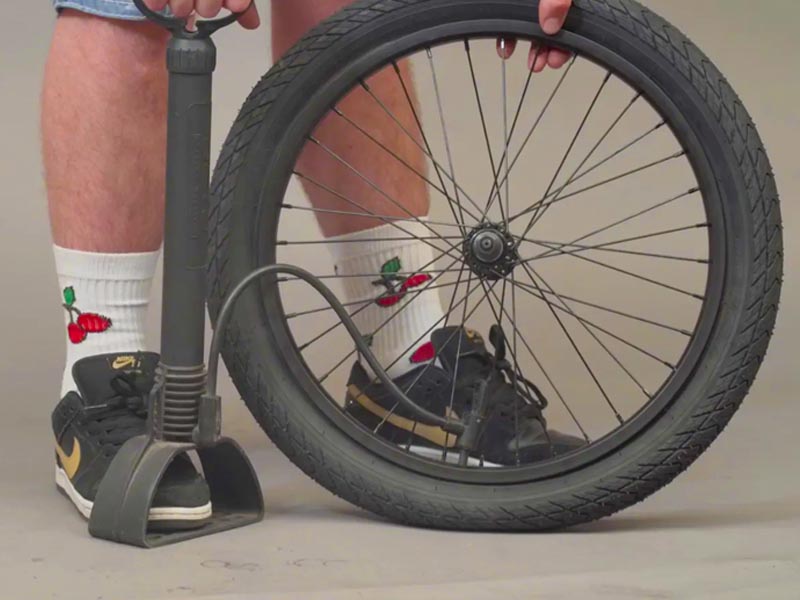
Finding the right BMX Tire Pressure is all about balancing grip, speed, comfort, and control. There’s no single PSI that works for every rider because the ideal setup depends on riding style, terrain, tire size, and body weight.
A pressure that feels perfect for park riding may feel terrible on dirt trails, so small adjustments can completely change how your BMX bike handles.
Understanding the Basics of BMX Tire Pressure
Every BMX bicycle tire has a recommended PSI range printed on the sidewall. That number should always be your starting point because different tires are designed to handle different pressure levels safely.
In general, riders often use these ranges:
| Riding Style | Common PSI Range |
| Street / Park | 35–100 PSI |
| Dirt / Trails | 40–60 PSI |
| Flatland | 80–100 PSI |
These are only general recommendations, not strict rules. Some tires are designed for high pressure, while others perform better at lower PSI for additional grip and comfort.
Tire width also matters. Wider tires usually allow lower pressure without feeling unstable, while narrower tires often need slightly more PSI to stay responsive.
For example:
- Wider 2.4” tires may feel stable at lower pressure
- Narrower 2.1” tires often feel firmer and faster with higher PSI
Rider weight also affects setup. Heavier riders usually need more pressure to avoid pinch flats and excessive tire flex, while lighter riders can often run lower PSI comfortably.
High BMX Tire Pressure: Pros and Cons

Higher BMX Tire Pressure changes the bike’s feel immediately. Harder tires roll faster and feel more responsive, which is why many street, park, and flatland riders prefer higher PSI.
Advantages of Higher Pressure
- Faster rolling speed: Hard tires create less rolling resistance, helping riders maintain momentum more efficiently.
- More responsive feel: The bike reacts quickly during hops, spins, manuals, and technical tricks.
- Better rim protection: Higher pressure reduces the risk of pinch flats when landing hard or hitting sharp edges.
- Improved stability for flatland: Flatland riders often prefer very firm tires because the bike feels more predictable during balance tricks.
Disadvantages of Higher Pressure
- Harsher landings: Less tire flex means less shock absorption, which can make rough landings uncomfortable.
- Reduced grip: On dusty, loose, or uneven surfaces, hard tires can feel slippery and less planted.
- Less comfort overall: Very high PSI can make the bike feel rigid during longer sessions.
Low BMX Tire Pressure: Pros and Cons

Lower tire pressure creates a softer and more forgiving ride. Many dirt and trail riders prefer lower PSI because it improves traction and comfort.
Advantages of Lower Pressure
- Better grip: Softer tires create a larger contact patch with the ground, improving traction in corners and loose terrain.
- Improved shock absorption: Lower pressure helps absorb impacts from rough surfaces, roots, and uneven landings.
- More comfort and control: The bike feels calmer and more stable on rough terrain.
Disadvantages of Lower Pressure
- Slower rolling speed: Soft tires create more rolling resistance, making the bike feel less efficient.
- Higher pinch-flat risk: If pressure is too low, the tire can compress against the rim during hard impacts.
- Less responsive feel: Very soft tires may feel sluggish during technical tricks or quick direction changes.
Read also: Is BMX Hard to Learn?
How to Find the Sweet Spot
The best BMX Tire Pressure usually comes from experimentation rather than copying another rider’s setup.
A simple method is:
- Start near the middle of your tire’s recommended PSI range
- Ride your usual terrain
- Adjust pressure by around 5 PSI at a time
- Pay attention to:
- grip
- rolling speed
- landing feel
- responsiveness
- cornering stability
If the bike feels harsh or slippery, lower the pressure slightly. If it feels slow or unstable during impacts, add more PSI. Small changes often make a surprisingly big difference.
Always check the minimum and maximum PSI printed on the tire sidewall. Exceeding the maximum pressure increases the risk of tire damage or blowouts, especially during hard BMX riding.
Running pressure below the recommended minimum can also increase the chance of rim damage and pinch flats.
Finding the Right BMX Tire Pressure for Your Riding Style
The perfect BMX Tire Pressure is not about finding one “correct” number. It’s about finding the balance that matches your riding style, terrain, and comfort preferences.
Some riders prefer fast and firm tires for technical street riding, while others want softer tires for grip and smoother landings on dirt. The best setup is the one that makes your BMX bicycle feel confident, predictable, and fun every time you ride.
Other bike tire pressure guides you might need