



For many cyclists, clipless pedals feel intimidating at first. Despite the name, your shoes actually clip into the pedals using cleats mounted underneath cycling shoes. Once the basics become familiar, many riders find the system more efficient, stable, and connected compared to standard flat pedals.
What Are Clipless Pedals?
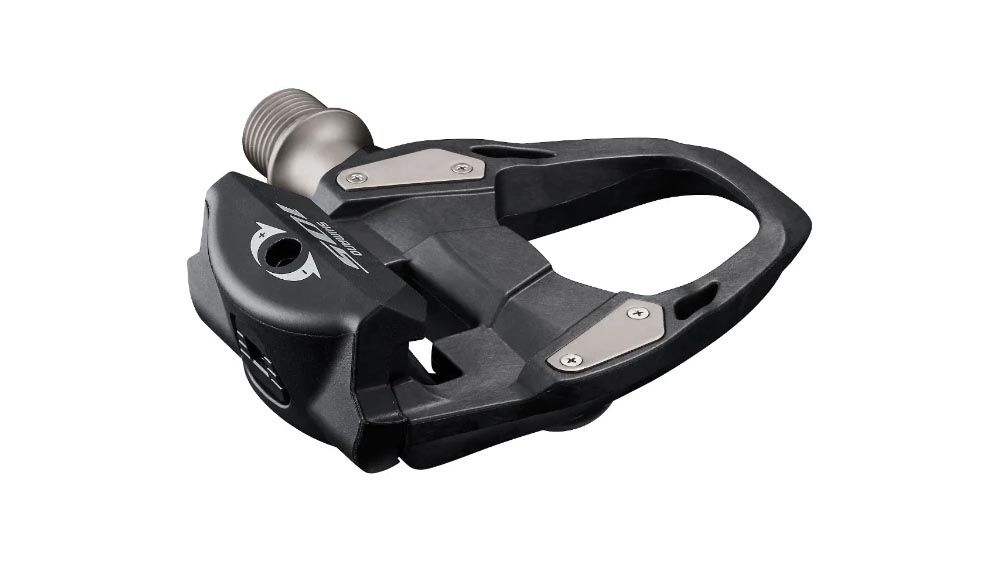
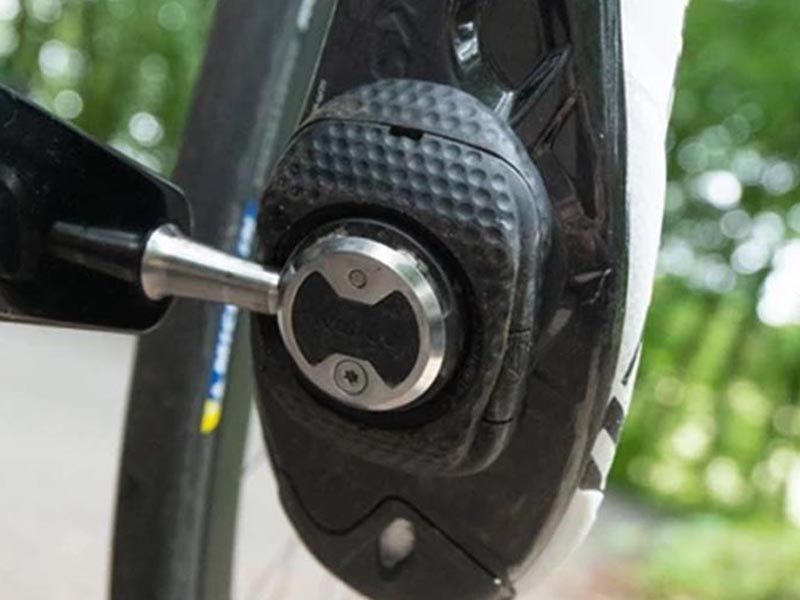
Clipless pedals are a bicycle pedal system that securely attaches a rider’s shoe to the pedal using a specialized cleat.
A complete system consists of three parts:
- The pedal mounted on the bike
- Cleats attached to cycling shoes
- A spring-loaded mechanism connecting both together
Unlike flat pedals where your foot simply rests on top, clipless systems lock the shoe into a fixed riding position.
Interestingly, the term “clipless” comes from older pedals that used toe clips and straps. Modern systems removed those cages and replaced them with a cleat mechanism, which is why the name remained even though riders now “clip in.”
How Do Clipless Pedals Work?
The mechanism is simpler than it first appears. To clip in, riders press the cleat onto the pedal with a slight downward and forward motion until it clicks into place. To release, the heel twists outward to disengage the cleat from the pedal.
Most modern pedal systems also allow riders to adjust release tension. Lower tension makes unclipping easier, which is especially helpful for beginners learning muscle memory.
At first, clipping in and out can feel awkward. However, after several rides, the movement usually becomes automatic.
Why Cyclists Use Clipless Pedals?
Many riders switch to clipless pedals because they improve consistency and bike control, especially during longer or more technical rides.
1. Better Pedaling Efficiency
Because the foot stays connected to the pedal, power transfer feels more direct and stable. Riders often notice smoother pedaling, especially during climbing or sustained efforts on a road bike.
While clipless systems do not magically increase power, they help reduce wasted movement and maintain a more consistent cadence.
2. More Stable Foot Position
Flat pedals allow feet to shift around during rides. Clipless systems keep the foot in the same position every pedal stroke.
This becomes especially useful during:
- Long-distance riding
- Climbing
- Gravel riding
- Rough terrain
A stable position can also reduce foot fatigue and pressure hotspots during longer sessions.
3. Improved Bike Control
Many cyclists describe clipless systems as feeling “connected” to the bike.
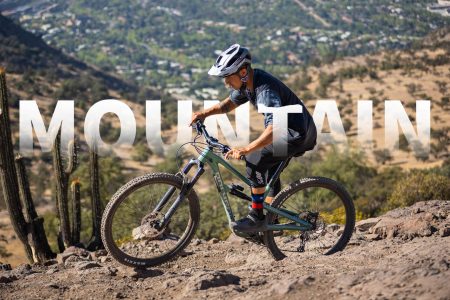
On a mountain bike, this added connection helps riders maintain control through rough sections, technical terrain, or fast corners. On road rides, it can improve stability during sprinting or hard accelerations.
Road vs. Mountain (MTB) Clipless Systems
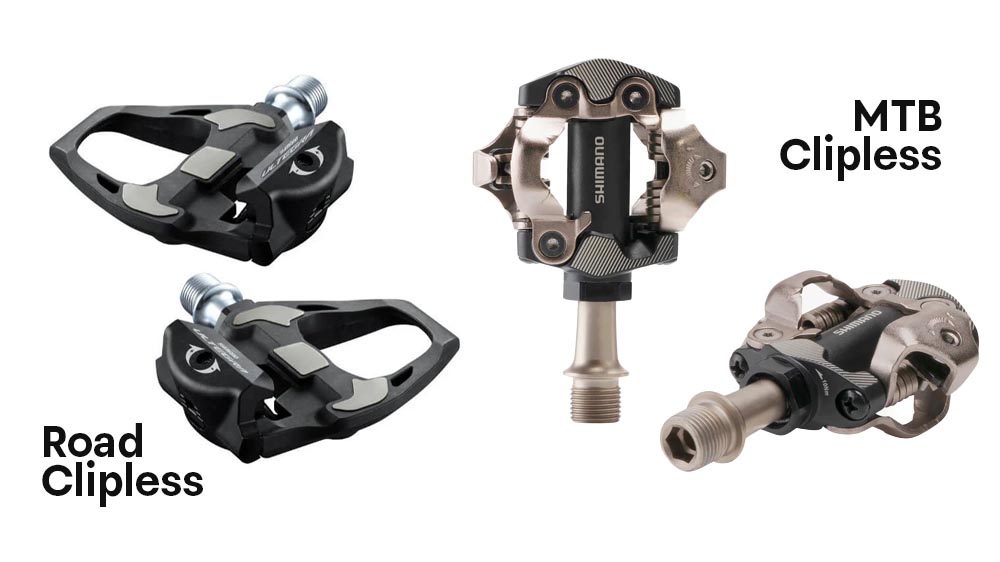
There are two main types of clipless pedals, and the best option usually depends on how much walking, commuting, or technical riding you plan to do.
| Feature | Road Systems (SPD-SL / Look Keo) | MTB / Touring Systems (SPD) |
| Cleat Design | Large plastic 3-bolt cleat | Small metal 2-bolt cleat |
| Walking Comfort | Difficult; cleats protrude | Easier; cleats sit inside tread |
| Pedal Platform | Larger for maximum power transfer | Smaller but easier engagement |
| Entry Style | Usually single-sided | Commonly dual-sided |
| Best For | Racing, long paved rides | Gravel, commuting, MTB, touring |
Road Clipless Systems
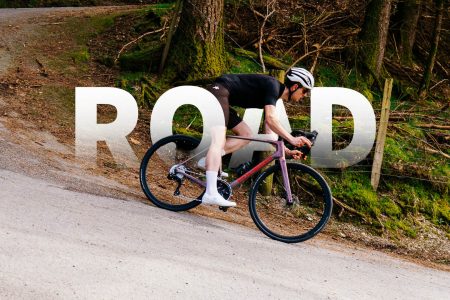
Road-style cleats are designed primarily for efficiency and power transfer on a road bike. The larger pedal platform creates a very stable pedaling feel, especially during sprinting or long steady efforts.
However, road cleats are less practical off the bike because the cleat extends below the shoe sole, making walking awkward and slippery.
These systems are most commonly used for:
- Performance road cycling
- Fast group rides
- Racing
- Long-distance paved riding
MTB / Touring Clipless Systems
MTB-style systems use smaller recessed cleats, allowing riders to walk much more naturally.
This design makes them popular for:
- Gravel riding
- Commuting
- Bikepacking
- Touring
- Mountain bike riding
Most MTB pedals are also dual-sided, making clipping in easier for beginners because riders can engage either side of the pedal quickly.
For new riders learning clipless pedals, MTB-style SPD systems are usually considered the more forgiving and beginner-friendly option.
Read also:
Should Beginners Use Clipless Pedals?
Yes, as long as they are willing to practice and accept a short learning curve.
The biggest challenge is remembering to unclip before stopping. Slow-speed falls at traffic lights or intersections are very common during the first weeks and are almost considered part of the learning process.
To make the transition easier, beginners should start with low pedal tension, practice clipping in and out while stationary, and learn in a quiet, low-traffic area. Unclipping earlier than necessary also helps build confidence.
For most new riders, MTB-style SPD systems are usually the easiest starting point because the pedals are often dual-sided and the recessed cleats are easier to walk in. Flat pedals still work perfectly well for casual riding, but many cyclists eventually prefer clipless pedals for the added efficiency, stability, and bike control they provide.