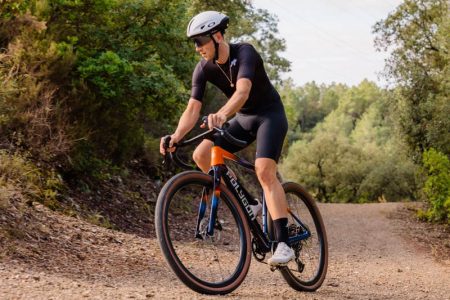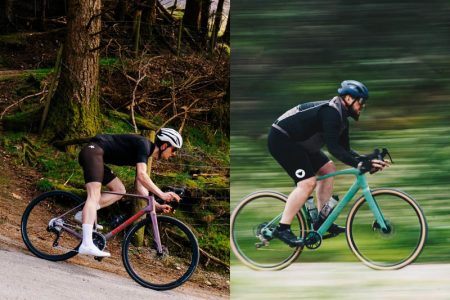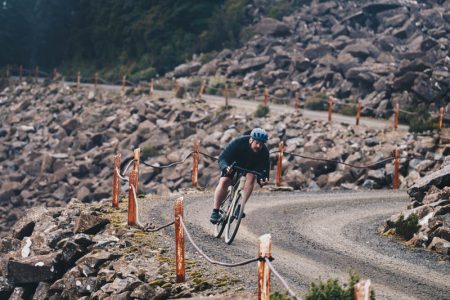




Moving from road cycling to gravel riding doesn’t mean starting from scratch. Your road cycling fitness, endurance, cadence control, and pacing skills already give you a solid foundation. However, riding on loose gravel, dirt roads, and uneven surfaces requires different equipment considerations and handling techniques.
The transition can be gradual. You don’t necessarily need a new bike immediately, but understanding tire compatibility, gearing, braking, and riding technique will help you feel more confident when exploring mixed terrain.
What Changes When You Move from Road to Gravel?
The biggest difference between road cycling and gravel riding is the surface beneath your tires. Asphalt offers relatively predictable traction, while gravel roads can include loose stones, hard-packed dirt, uneven sections, and changing surface conditions.
These differences affect how your bike responds. A road bike prioritizes aerodynamic positioning and efficient speed, while a gravel bike generally offers greater tire clearance, a more stable riding position, and handling suited to mixed terrain.
You may also notice a slower average pace and more vibration, particularly on rougher routes. Instead of focusing entirely on speed, gravel riding requires balancing momentum, traction, and control.
Prepare Your Bike for Your First Gravel Ride
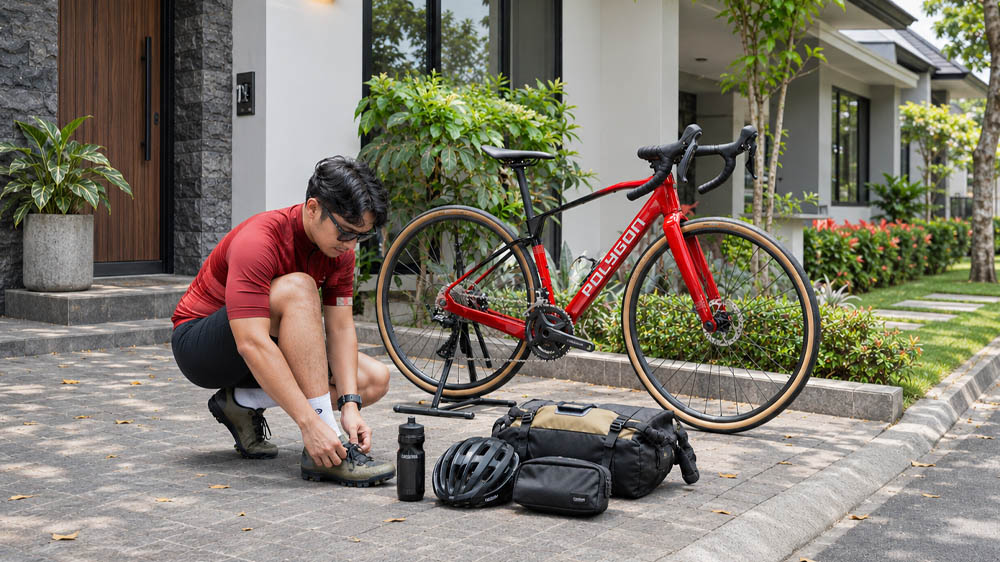
Before buying new equipment, check whether your current road bike can handle the terrain you want to ride. Some endurance road bikes can manage smooth, compact gravel, provided their frame and fork have sufficient tire clearance.
Start with these adjustments:
- Tires: Consider wider tires with a suitable tread pattern for better comfort and traction. Check your frame’s maximum tire clearance before upgrading.
- Tire pressure: Gravel generally benefits from a pressure setup suited to the surface, tire width, rim, and rider weight. Tubeless setups can also help reduce pinch-flat risks when configured correctly.
- Gearing: Lower gears make steep climbs and loose surfaces easier to manage. A wider gear range can help when transitioning between gravel and paved sections.
- Brakes: Check that your brakes are properly maintained and provide reliable stopping power.
- Repair essentials: Carry a spare tube, tire levers, and a portable pump, even if you use tubeless tires.
There is no universal tire width or pressure for gravel riding. Always follow your bike, tire, and rim manufacturer’s compatibility recommendations.
Read also: Gravel Bike Tire Pressure Guide
Adapt Your Road Cycling Skills to Gravel Riding
Your road cycling experience gives you several advantages. Endurance, cadence awareness, pacing, and group-riding communication remain useful when transitioning to gravel. The biggest adjustment is learning to manage unpredictable traction.
Start by changing how you handle the bike:
- Relax your grip: Avoid gripping the handlebars too tightly. Keep your elbows and knees slightly bent to absorb vibrations and allow the bike to move naturally.
- Look ahead: Scan the trail for loose stones, potholes, and smoother lines rather than focusing directly on the front wheel.
- Manage your braking: Reduce speed before entering corners or descending loose sections. Sudden braking while turning can compromise tire traction.
- Choose your line: Look for firmer, more predictable surfaces, especially when cornering or navigating uneven ground.
- Adjust your hand position: Use the drops on rougher descents when they provide a more secure grip and better access to the brake levers.
British Cycling also recommends staying relaxed and allowing the bike to move beneath you rather than fighting every bump.
The goal isn’t to ride every section as quickly as possible. Build confidence through controlled movements and practice on easier surfaces before attempting more technical terrain.
Plan a Beginner-Friendly First Gravel Ride
Your first gravel ride should focus on getting comfortable, not covering the same distance or maintaining the same average speed as your usual road sessions.
Choose a short, familiar route with hard-packed gravel and minimal technical obstacles. Before leaving, check the weather, route conditions, and your bike’s mechanical condition.
Bring:
- Water and basic nutrition.
- A phone and identification.
- A spare tube, tire levers, and portable pump.
- Appropriate clothing for changing conditions.
If possible, ride with someone experienced in gravel riding. Start at a manageable pace and gradually increase your distance as your confidence improves.
Do You Need a Gravel Bike?
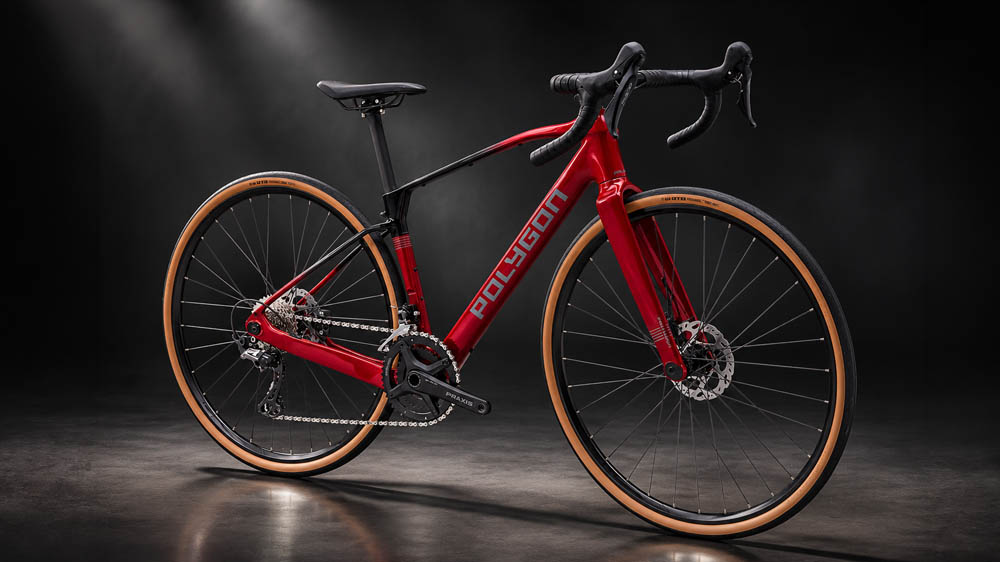
Not necessarily. If you only plan to ride occasional hard-packed gravel roads, your existing road bike may be sufficient, provided its tire clearance and component specifications support the terrain.
However, a dedicated gravel bike makes more sense if you regularly ride mixed surfaces, encounter rougher tracks, or want greater tire clearance and a wider gear range.
The main differences include:
| Consideration | Road Bike | Gravel Bike |
| Primary terrain | Paved roads | Mixed surfaces |
| Tires | Typically narrower | Typically wider |
| Geometry | More road-focused | Generally more stable |
| Gearing | Optimized for road speed | Often includes easier climbing gears |
| Versatility | Primarily road riding | Pavement, gravel, and dirt routes |
A gravel bike also involves a trade-off: it expands your terrain options, but a dedicated road bike remains better suited to fast, performance-focused asphalt riding.
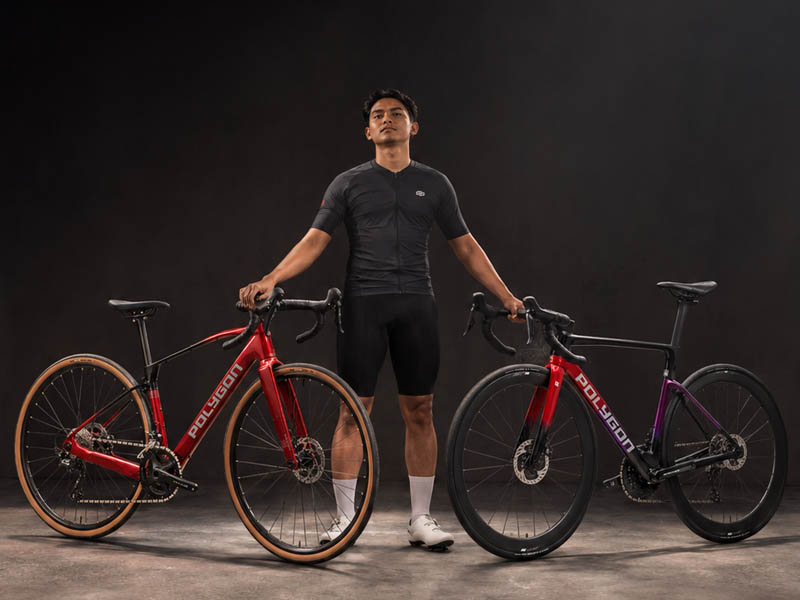
If you’re considering a dedicated gravel setup, explore the Polygon TAMBORA gravel bike range. Its lineup includes gravel-specific features such as up to 45c tire clearance, adjustable geometry on applicable models, and accessory mounting points. Check individual model specifications and regional availability before choosing a build.
Take the Next Turn Beyond the Pavement
Transitioning from road cycling to gravel riding is about adapting, not starting over. Bring your existing fitness and pacing skills, learn to manage changing traction, and make sure your bike is suitable for the terrain.
Start with an easy route, experiment with your setup, and develop your handling skills gradually.
Ready to explore beyond the pavement? Discover Polygon TAMBORA gravel bikes and find a setup for your next mixed-terrain ride.
Read also: