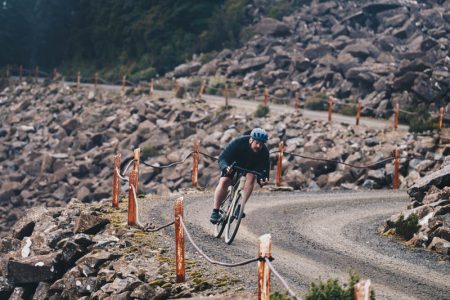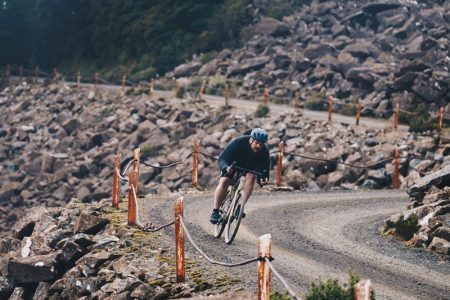




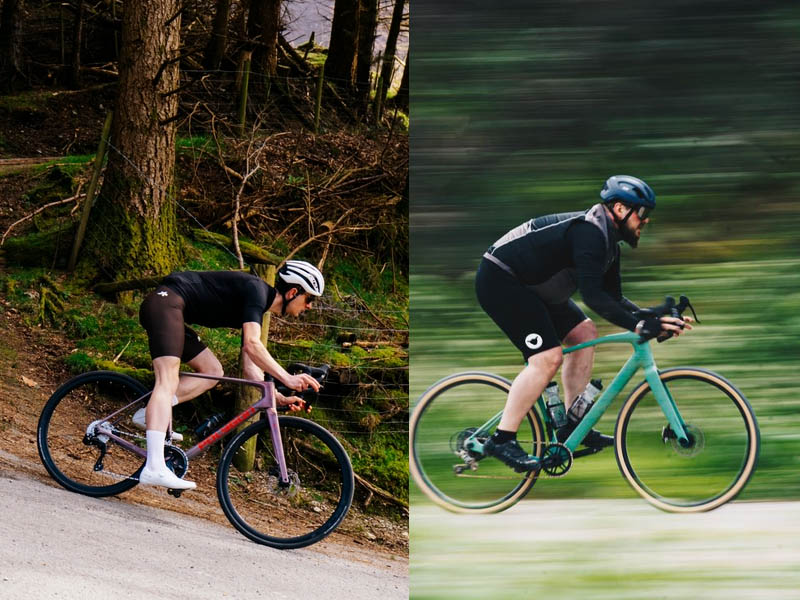
A familiar road route can quickly become unpredictable when broken pavement, loose shoulders, wet corners, or unpaved connectors enter the picture. Gravel riders regularly adapt to these changing conditions, developing skills that can make road cyclists more confident, efficient, and comfortable on a wider range of terrain.
Whether you’re riding an endurance road bike, training for a long fondo, or simply curious about mixed-terrain cycling, here are five valuable gravel riding lessons worth bringing to your next road ride.
1. Adapt Your Bike Handling to the Surface
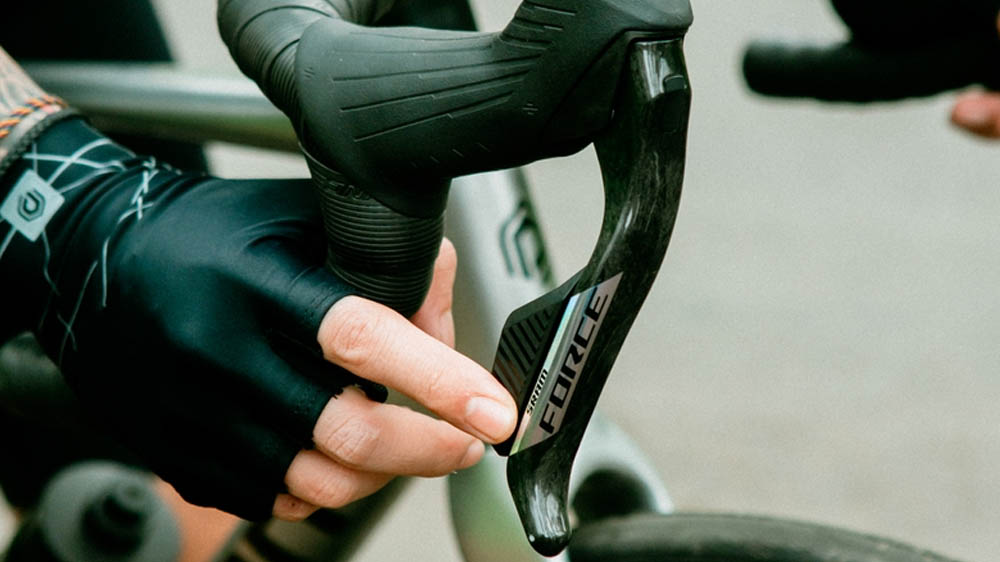
One of the first skills gravel riders develop is learning to read the terrain ahead rather than reacting to every obstacle as it appears. Instead of focusing only on the section directly in front of the wheel, experienced gravel cyclists scan farther ahead to identify the smoothest and most predictable riding line.
Road cyclists can apply the same approach when navigating rough pavement, potholes, debris, painted road markings, or loose road shoulders. Looking further ahead gives you more time to make smooth adjustments instead of sudden steering corrections.
Equally important is staying relaxed on the bike. A tight grip on the handlebars can make the bike feel less stable and increase fatigue during longer rides. Keeping your elbows slightly bent and your upper body relaxed helps the bike move naturally beneath you while maintaining control.
Cornering on loose gravel requires a different technique than cornering on smooth asphalt. Practicing at low speeds in a safe, open area can improve bike handling skills, body positioning, and confidence. The goal is not necessarily to ride gravel faster, but to become a smoother and more adaptable cyclist on any surface.
2. Stop Treating Tire Pressure as a Fixed Number
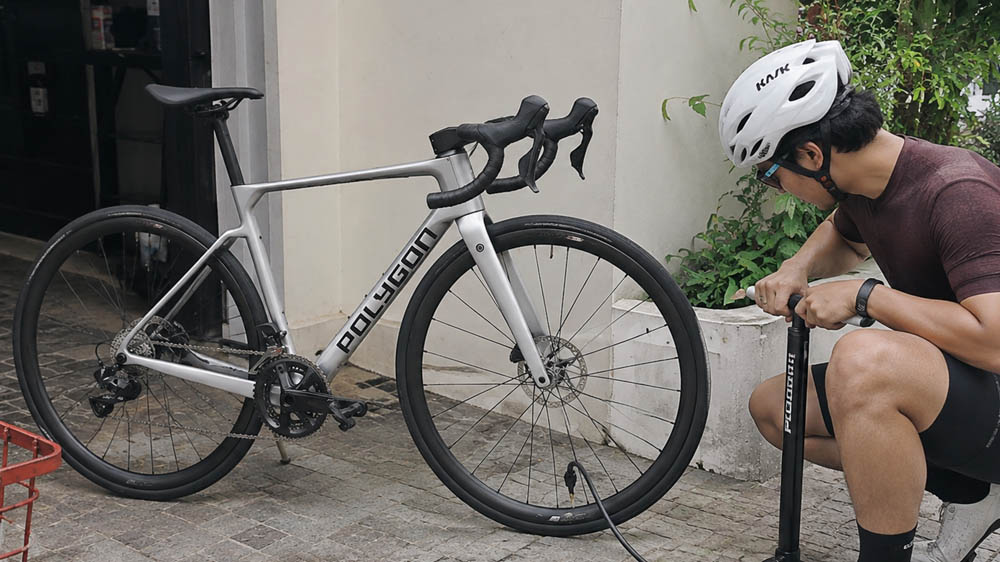
Many cyclists pump their tires to the same pressure before every ride. Gravel riders tend to take a more flexible approach.
Tire pressure should reflect the riding conditions, rider weight, tire width, tire construction, weather conditions, and personal preferences. What works well on smooth pavement may not be ideal on rough roads or mixed terrain.
Lower tire pressure allows the tire to conform more effectively to uneven surfaces, often improving comfort, traction, and control. Research and manufacturer guidance from Shimano and Schwalbe suggest that wider tires running appropriate pressures can maintain efficiency while enhancing rider comfort on imperfect surfaces.
However, tire pressure involves trade-offs. Running pressure too low can increase the risk of rim strikes, tire squirm, burping in tubeless setups, or tire damage when hitting sharp obstacles.
Road cyclists can benefit from experimenting within the tire manufacturer’s recommended pressure range, especially if they frequently encounter rough pavement or occasional gravel sections. A rider using 28 mm road tires will typically require different pressures than someone using 40 mm gravel bike tires.
Read also: Gravel Bike Tire Pressure Guide
Tubeless-compatible wheel and tire systems can provide additional flexibility when testing lower pressures, provided all components are compatible and properly installed.
3. Prioritize Control Over Constant Speed
Gravel riding teaches cyclists that maintaining control is often more valuable than constantly chasing speed.
Changing surfaces require anticipation, progressive braking, smooth steering inputs, and efficient weight distribution. On gravel, riders quickly learn that abrupt movements often reduce traction and confidence.
The same lesson applies during road cycling, particularly on:
- Wet descents
- Rough pavement
- Unfamiliar roads
- Technical corners
- Debris-covered sections
Rather than waiting until the last moment to react, look for changes in road conditions early. Brake before entering a difficult section and allow the bike to carry momentum through it smoothly.
This principle also applies to pedaling. Maintaining a steady cadence and power output is often more efficient than repeatedly surging and recovering. During long rides, smoother effort distribution can help reduce fatigue and make pacing more sustainable.
For group rides, predictable movements and situational awareness become equally important. Riders who maintain a smooth line and communicate hazards clearly often contribute more to group safety than those who simply ride the fastest.
4. Build Endurance Through Flexible Pacing
Gravel routes rarely offer perfectly consistent riding conditions. Climbs, headwinds, changing surfaces, loose corners, and rolling terrain constantly influence the effort required to maintain speed.
As a result, gravel riders often focus on managing effort rather than obsessing over average speed.
This lesson translates exceptionally well to road cycling. Many road cyclists make the mistake of trying to maintain the same pace regardless of conditions, often burning valuable energy early in a ride.
For example, maintaining your normal cruising speed into a strong headwind may require significantly more effort than riding just a few kilometers per hour slower.
Gravel riders are accustomed to adjusting their effort depending on terrain and conditions, preserving energy when necessary and taking advantage of easier sections when available.
This flexible approach can be especially useful for:
- Gran fondos
- Century rides
- Endurance events
- Unsupported adventures
- Unfamiliar routes
Learning to pace according to perceived effort, heart rate, or power output rather than speed alone can make long rides feel more controlled and sustainable.
5. Be More Open to Routes Beyond Smooth Pavement
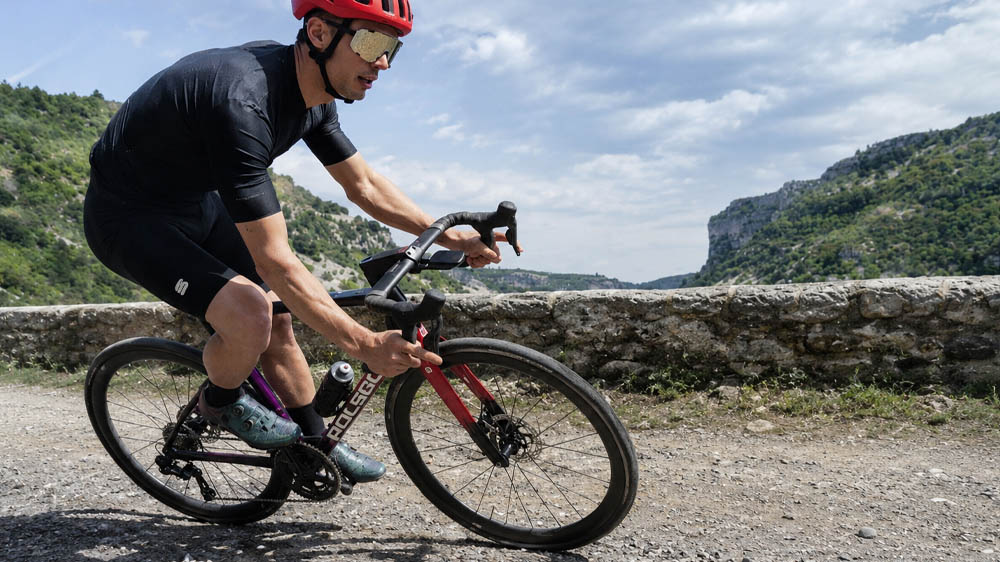
Perhaps the biggest lesson from gravel riding is that great cycling experiences are not limited to perfect asphalt.
Quiet country roads, maintained gravel paths, rail trails, and permitted unpaved connectors can unlock routes that many road cyclists would otherwise overlook. These roads often feature less traffic, more scenery, and entirely new riding experiences.
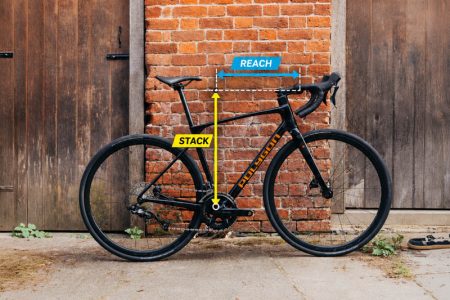
A gravel bike makes this kind of exploration easier. Compared with a typical road bike, a gravel bike generally offers:
| Feature | Gravel Bike | Road Bike |
| Tire Clearance | Wider tires (typically 35-50 mm) | Narrower tires (typically 25-32 mm) |
| Geometry | More stable and comfortable | More aggressive and responsive |
| Gearing | Lower gears for varied terrain | Optimized for higher speeds on pavement |
| Surface Capability | Pavement, gravel, and mixed terrain | Primarily paved roads |
This does not mean every road cyclist needs a gravel bike. The road bike vs gravel bike decision ultimately depends on how and where you ride. Road bikes remain an excellent choice for riders focused on speed, racing, performance training, and fast group rides on pavement. Gravel bikes are often better suited for riders who prioritize versatility, route exploration, comfort, and mixed-terrain capability.
If you’re curious about road cycling on gravel roads, start small. Explore well-maintained gravel sectors, hard-packed dirt paths, or mixed-surface routes that are legal and appropriate for cycling. Even occasional exposure to these surfaces can help develop better bike handling skills and riding confidence.
Bring These Gravel Lessons Into Your Next Ride
Gravel riders offer road cyclists more than just a different way to explore. Their approach encourages better terrain awareness, more thoughtful tire setup, smoother bike handling, flexible pacing, and greater confidence when conditions become unpredictable.
These skills can improve everyday road rides, even if you rarely leave the pavement. At the same time, they provide a useful foundation for anyone considering a gravel bike or planning to explore more mixed-terrain cycling in the future.
And if mixed-surface adventures are becoming a regular part of your riding plans, a gravel bike may be a worthwhile addition to your garage. With wider tire clearance, versatile geometry, and terrain-friendly gearing, it can open up routes that traditional road bikes may be less comfortable exploring.
Ready to take the road less traveled? Explore Polygon gravel bikes or Polygon Adventure bikes to find a setup that matches your riding goals. Riders can also discover the Polygon Tambora series for versatile mixed-surface riding and adventure-focused cycling.
Read also: How to Ride a Gravel Bike Efficiently Against Strong Headwinds